
Engagement Rings
Beneath the Stone: Engagement Ring Gallery and Under-Halo Details Explained
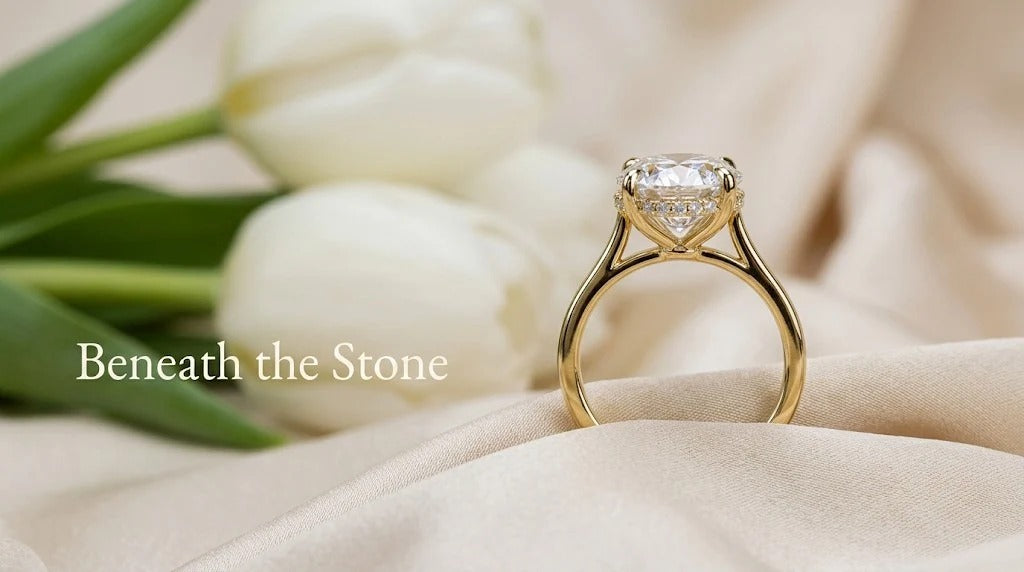
Most people shop for an engagement ring by looking straight down at the center stone. But turn the ring sideways and a whole second design appears: the gallery, the metalwork that sits beneath the stone and connects it to the band. It is the part of the ring your friends see when you rest your hand on a table, the part that catches light from the side, and the part that decides how comfortably the ring sits next to a wedding band.
This guide explains the most common gallery styles, what hidden halos and peekaboo stones actually are, and how to choose the right underside detail for a moissanite or lab grown diamond engagement ring.
What Is the Gallery of an Engagement Ring?
The gallery is the structure under the center stone, between the prongs and the shank (the band). Jewelers sometimes call it the "under-gallery" or simply the "profile" of the ring. It holds the head of the setting in place, controls how high the stone sits, and lets light and air reach the stone's pavilion so it can be cleaned easily.
Because it is visible mostly from the side, the gallery is where designers add quiet details that make a ring feel special to the wearer: a tiny band of pavé, a hidden accent stone, or an openwork pattern you only notice up close.
Common Gallery Styles
Basket Gallery
A basket gallery uses one or two horizontal rails that wrap around the prongs, forming a small cup under the stone. It is one of the most secure and practical designs because the rails brace the prongs against knocks. Baskets suit everyday wearers and work beautifully with round, oval and cushion shapes. A single rail keeps the look light; a double rail feels more structured and vintage.
Trellis or Crossover Gallery
On a trellis gallery the prongs cross over each other beneath the stone, creating an elegant woven or X-shaped profile. It looks graceful from the side and often allows a slightly lower stone height, so the ring snags less on sweaters and gloves.
Cathedral Gallery
In a cathedral setting, the metal of the band rises in arches up to the head, like the vaulted ceiling the style is named after. The arches lift the stone and frame it, which makes the center look taller and more prominent. Cathedral galleries pair naturally with solitaires and are popular for larger carat weights.
Open or Peg-Head Gallery
A minimal open gallery has little or no connecting metal under the stone, just the prongs meeting at a base. It maximizes light to the pavilion and creates the cleanest side view, though it relies more heavily on strong, well-set prongs.
Filigree and Openwork Galleries
Vintage-inspired rings often feature lacy filigree, scrollwork or milgrain-edged cutouts under the stone. These galleries turn the side of the ring into a piece of art and are a signature of Art Deco and Edwardian styles. Browse our vintage style moissanite engagement rings to see how much character a detailed gallery can add.
Hidden Halos: Sparkle You Notice From the Side
A hidden halo (also called an under-halo) is a ring of tiny accent stones set around the base of the center stone, just below its girdle. From the top, the ring still reads as a clean solitaire. From the side, a thin line of sparkle appears, and at certain angles it reflects up into the center stone, giving a subtle extra glow.
Hidden halos are ideal if you love the simplicity of a solitaire but want a private, personal detail. They work with nearly every shape, including emerald and oval cuts. For example, our double claw prong emerald moissanite ring pairs a sleek emerald-cut center with a delicate hidden halo for exactly this effect.
Hidden Halo vs. Traditional Halo
A traditional halo surrounds the stone at the top, visibly increasing its face-up size. A hidden halo sits underneath, so it does not change how large the center looks from above. If you want maximum visual size, choose a classic halo; if you want understated luxury, choose a hidden one. See our moissanite halo engagement rings to compare both looks.

Peekaboo Stones and Other Secret Details
Peekaboo stones are small accent gems tucked into the gallery or the sides of the head, often on the bridge (the part of the ring that rests on top of the finger). They are usually visible only from the side or when the wearer turns their hand.
Couples often use peekaboo stones for meaning: a birthstone, a sapphire for "something blue," or a stone representing each partner. Other secret details include:
- Pavé on the bridge: a row of tiny stones running across the gallery from one side of the band to the other.
- Engraved galleries: initials, a date or a pattern carved into the side metal.
- Contrasting metal: yellow gold prongs and gallery on a white gold band, or the reverse, for a two-tone side view.
How the Gallery Affects Sparkle, Comfort and Stacking
Stone Height
Taller galleries such as cathedral styles lift the stone, giving it more presence and letting light enter from the sides. Lower galleries such as trellis or low baskets keep the ring closer to the finger, which is more practical for active lifestyles, healthcare work or anyone who wears gloves.
Wedding Band Fit
The gallery determines whether a straight wedding band can sit flush against the engagement ring. Rings with a high, open gallery usually allow a straight band to slide underneath. Low settings or wide hidden halos may leave a gap or require a curved or notched band. If a flush stack matters to you, mention it before you choose a setting.
Cleaning and Maintenance
Open galleries make it easy to clean behind the stone, which keeps moissanite and lab grown diamonds looking bright. Ornate filigree and pavé bridges can trap lotion and dust, so give them a gentle soak in warm, soapy water and a soft brush every week or two. Have prongs and accent stones checked by a jeweler about once a year.
How to Choose the Right Gallery
- Start with lifestyle: if you work with your hands, favor a low basket or trellis gallery.
- Match the center shape: baskets flatter rounds and ovals; cathedral arches suit elongated shapes; hidden halos complement emerald and radiant cuts.
- Decide how public the sparkle should be: top halos are for everyone; hidden halos and peekaboo stones are for you.
- Think about the band: plan your wedding band at the same time so the stack fits.
- Look at it from the side: always view product photos and videos in profile before you buy.
If you prefer a clean, timeless design, explore our lab grown diamond solitaire engagement rings, many of which feature refined basket and hidden halo galleries.
Frequently Asked Questions
Does a hidden halo make the stone look bigger?
Not from above. A hidden halo adds sparkle from the side and can brighten the center slightly, but it does not increase the face-up size the way a traditional halo does.
Are peekaboo stones secure?
Yes, when they are properly bezel- or prong-set into the gallery. Because they sit on the side of the ring, they are generally more protected than stones on the top surface.
Which gallery style is the most durable?
Basket galleries, especially double-rail designs, are among the most durable because the rails reinforce the prongs and protect the stone's girdle.
Can I add a hidden halo to an existing ring?
Sometimes, but it usually requires rebuilding the head of the setting. It is often simpler and more secure to choose a ring designed with a hidden halo from the start.
Do gallery details work with moissanite and lab grown diamonds?
Absolutely. Both stones are hard and brilliant enough for every gallery style, and their accent stones can be matched for a seamless side profile.
The gallery is where an engagement ring becomes personal. Look beneath the stone, choose the details that feel like yours, and you will love the view from every angle.
Shop the Look
-
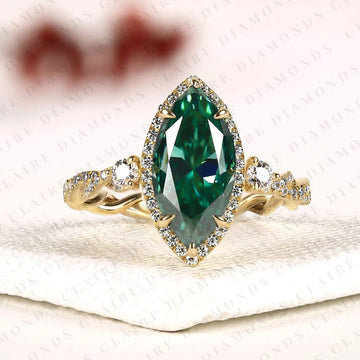 Marquise Cut Green Lab Grown Diamond Halo Engagement Ring | Twisted Vine Halo Yellow Gold Nature-Inspired Engagement Ring
From $ 1,524.00
Shop Now
-
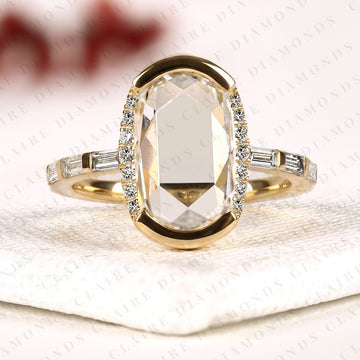 Elongated Cushion Rose Cut Lab Grown Diamond Bezel Ring with Baguette Side Stones | Hidden Halo Engagement Ring
From $ 1,471.00
Shop Now
-
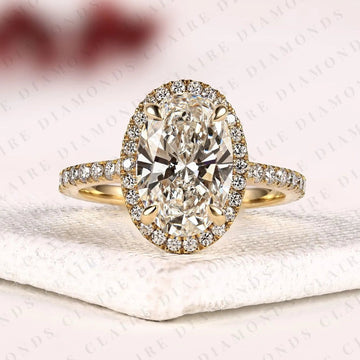 Oval Lab Grown Diamond Halo Ring, Pave Engagement Ring, Yellow Gold, Pave Band, Oval Wedding Ring
From $ 1,489.00
Shop Now
-
 Oval Halo Lab Grown Diamond Engagement Ring in Solid Gold With Twisted Vintage Band IGI Certified Ring.
From $ 1,455.00
Shop Now
-
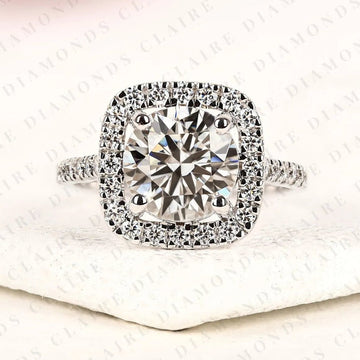 Round Cut Lab Grown Diamond Halo Engagement Ring in White Gold | Vintage Cushion Halo Wedding Ring | Pave Anniversary Ring for Women
From $ 1,422.00
Shop Now
-
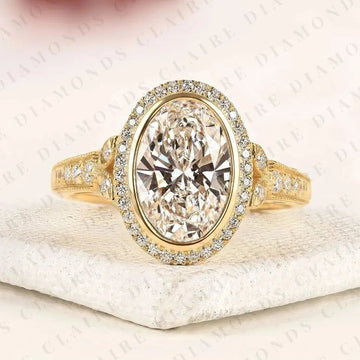 Oval Cut Halo Lab Grown Diamond Engagement Ring in Gold – Vintage Beauty with Timeless Sparkle
From $ 1,454.00
Shop Now
-
 Blue Pear Cut Lab Grown Diamond Halo Engagement Ring Vintage Inspired Pave Bridal Ring Unique Anniversary Ring for Women
From $ 1,425.00
Shop Now
-
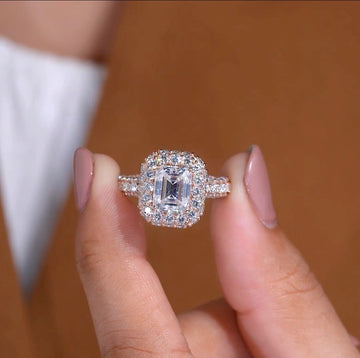 Luxury Vintage Emerald Cut Halo Lab Grown Diamond Engagement Ring with Pavé Band in Gold
From $ 1,463.00
Shop Now
-
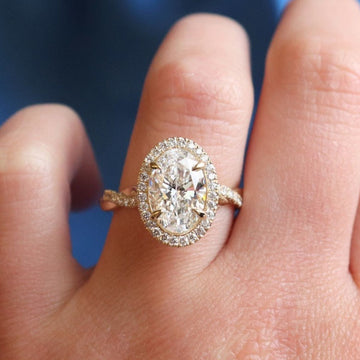 Classic Oval Cut Lab Grown Diamond Halo Ring with Pave Band in Gold Ring
From $ 741.00
Shop Now
-
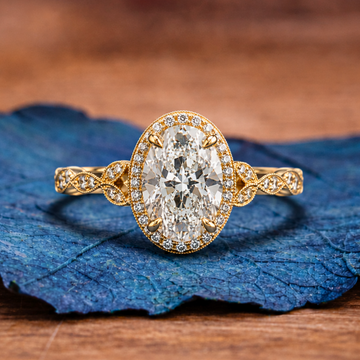 Oval Cut Lab Grown Diamond Ring Halo Set Twisted Band Ring
From $ 1,315.20
Shop Now
-
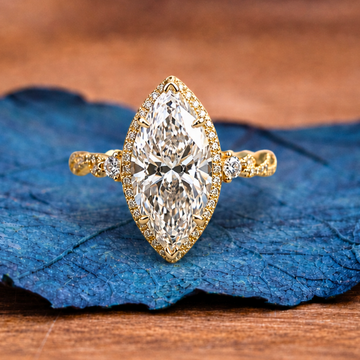 Marquise Cut Lab Grown Diamond Ring Unique Tulip Set Twisted Band Ring
From $ 1,386.00
Shop Now
-
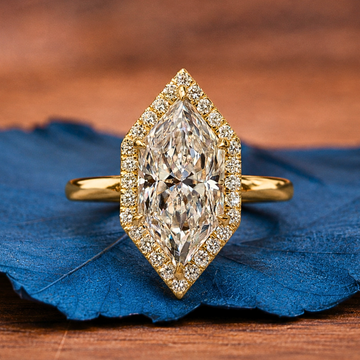 Dutch Marquise Lab Grown Halo Set Engagement Ring Solid Gold Wedding Ring
From $ 806.40
Shop Now
-
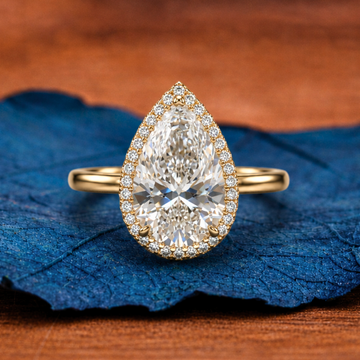 Halo Set Pear Lab Grown Engagement Ring bridal Gold Wedding Ring
From $ 1,578.00
Shop Now
-
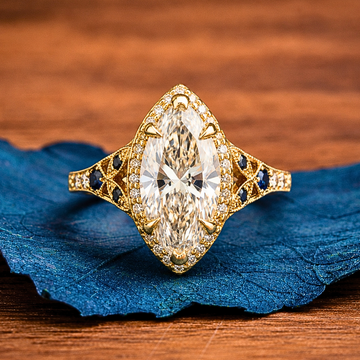 Marquise Halo Set Lab Grown Engagement Ring Vintage inspired Wedding Ring
From $ 842.40
Shop Now
-
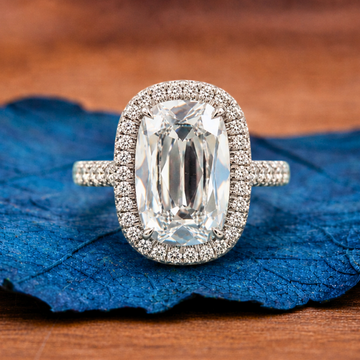 Old Mine Elongated Cushion Lab Grown Engagement Ring Halo Set Wedding Ring
From $ 1,844.40
Shop Now


