
Engagement Rings
Heart Shaped Engagement Rings: Proportions, Settings and Buying Tips

A heart shaped engagement ring says exactly what it means. It is romantic, unmistakable and a little bit daring, which is why it has moved from niche choice to a quiet favorite among couples who want a ring with personality. But the heart is also one of the most technical shapes to buy well. Proportions, symmetry and setting all decide whether your stone reads as a crisp, balanced heart or a vague rounded triangle.
This guide walks you through everything that matters: how to judge a heart's outline, which length-to-width ratio flatters most hands, how to protect the delicate point, and how moissanite and lab grown diamonds compare for this shape.
Why Choose a Heart Shaped Engagement Ring?
The heart is a modified brilliant cut, usually with around 56 to 59 facets. That faceting gives it lively sparkle similar to a pear or oval, while the cleft at the top makes it instantly recognizable from across a room.
Couples tend to choose it for three reasons:
- Meaning. No other shape communicates love so directly, which makes it a natural fit for an engagement.
- Individuality. Heart cuts are far less common than round or oval stones, so your ring stands apart.
- Size appearance. A well-cut heart spreads its weight across a wide face, so it often looks larger than a round stone of the same carat weight.
How to Judge a Well-Cut Heart
With rounds, a grading report tells you most of what you need. With hearts, your eyes matter just as much. Look closely at the outline before anything else.
Symmetry
The two lobes should be the same size and height. Draw an imaginary line from the cleft down to the point; each half should mirror the other. Even a small imbalance becomes obvious once the stone is on a hand.
The Cleft
The cleft is the notch between the lobes. It should be clearly defined but not so deep that the lobes look pinched. A shallow cleft makes the heart look rounded and unclear, especially in smaller carat sizes.
The Point
The bottom point should be sharp and centered. Rounded or off-center points weaken the shape and are a sign of a cutter saving weight rather than chasing beauty.
Rounded Lobes and Shoulders
The wings, the sides running from the lobes to the point, should curve gently outward. Wings that are too straight make the heart look narrow and triangular; wings that bulge too much make it look chubby.


The Best Length-to-Width Ratio
Ratio is length divided by width. For heart shaped stones, most people prefer something between 0.90 and 1.10.
- 0.90 to 0.95: wider and softer. Lovely for shorter fingers, and it maximizes face-up size.
- 0.95 to 1.05: the classic balanced heart. This is the sweet spot for most buyers.
- 1.05 to 1.10: slightly elongated. Elegant on longer fingers and gives a subtle slimming effect.
Outside that range, the heart starts to look either squat or stretched. If you are unsure, aim close to 1.00.
Choosing a Carat Size
Heart shapes read best at 1 carat and above. Below roughly 0.75 carat, the cleft and lobes become hard to see once the stone is set, and the shape can blur into a round. If you love the heart look on a smaller budget, moissanite lets you go larger without stretching your spending.
For an everyday ring, 1.5 to 2.5 carats is a popular range: big enough for clear definition, still comfortable for daily wear.
Settings That Protect and Flatter a Heart
The point of a heart is its most vulnerable spot. A good setting protects it while showing off the outline.
Prong Settings
Choose a V-prong or chevron prong at the point. It wraps the tip and guards against chips. The two lobes are usually held by single rounded prongs, giving five prongs in total. This is the most classic, light-filled option.
Bezel Settings
A bezel surrounds the entire edge in metal. It is the most protective choice for active lifestyles, and it gives the heart a crisp, modern frame. Browse our lab grown diamond bezel engagement rings to see how a full rim emphasizes shape.
Halo Settings
A heart-shaped halo traces the outline in small accent stones, amplifying both size and sparkle. It is a strong choice if you want a romantic, vintage-leaning look.
Solitaire and Hidden Halo
A simple solitaire band keeps all attention on the center stone. Add a hidden halo under the gallery for a little side sparkle that does not compete with the outline.

Best Metals for a Heart Shaped Ring
- White gold or platinum-look finishes make colorless stones look icy and bright, and they highlight a sharp outline.
- Yellow gold brings out warmth and a vintage feel. It pairs beautifully with the romance of the heart.
- Rose gold is the most naturally romantic option and flatters warm skin tones.
Whatever you choose, 14K gold is a good balance of durability and rich color for daily wear.
Moissanite vs Lab Grown Diamond for Heart Shapes
Both are excellent for this cut, but they suit slightly different priorities.
- Moissanite has higher dispersion, so a heart in moissanite throws more colorful fire. It is very hard (9.25 on the Mohs scale) and allows larger sizes at a lower cost. Explore our heart moissanite jewelry.
- Lab grown diamond offers classic diamond brilliance with white sparkle, the top hardness of 10, and independent grading. See our heart lab grown diamond jewelry.
If you want the fullest rainbow sparkle and size, lean toward moissanite. If you want a traditional diamond look and a grading report, lean toward lab grown.
Color and Clarity Tips
Hearts can concentrate a hint of color near the point, so for white metals aim for near-colorless grades (G or better in lab grown diamonds). Clarity is more forgiving: VS2 or SI1 is usually eye-clean in a heart thanks to its brilliant faceting. Do check that no inclusion sits near the point, where it could weaken the stone.
Watch for a bow-tie as well. Like pears and ovals, hearts can show a darker band across the center. A mild bow-tie is normal; a heavy, dark one dulls the face-up look.


Styling and Pairing Ideas
Hearts pair beautifully with a curved or contour band that hugs the point, or with a slim eternity band for continuous sparkle. Browse lab grown wedding bands to find a match. For a playful twist, some wearers set the heart point toward the fingertip, while others flip it for an unexpected look; the traditional orientation is point toward the fingertip.
Caring for a Heart Shaped Ring
- Check the prong at the point every few months, since it takes the most knocks.
- Clean with warm water, mild dish soap and a soft brush to restore sparkle.
- Remove the ring for gym sessions, gardening and heavy lifting.
- Store it separately so harder stones and metals do not scratch it.
Frequently Asked Questions
Are heart shaped engagement rings out of style?
No. They are a distinctive, romantic choice that has grown in popularity among couples looking for something personal. A well-proportioned heart in a clean setting looks timeless rather than trendy.
What carat size is best for a heart shaped stone?
One carat or larger shows the shape most clearly. Below about 0.75 carat, the lobes and cleft can be hard to distinguish once set.
Which way should the point of a heart ring face?
Traditionally, the point faces toward the fingertip. It is a personal choice, though, and some people prefer the point toward the wrist.
What is the best setting for a heart shaped ring?
A setting with a V-prong at the point, or a full bezel, offers the best protection. Halos are ideal if you want extra size and sparkle.
Is moissanite or lab grown diamond better for a heart cut?
Both work well. Moissanite gives more colorful fire and a larger look for the budget, while lab grown diamond offers classic white brilliance and maximum hardness.
A heart shaped engagement ring is a declaration in stone. Focus on symmetry, a crisp cleft and a protected point, and you will have a ring that feels as meaningful in twenty years as it does on the day you say yes.
Shop the Look
-
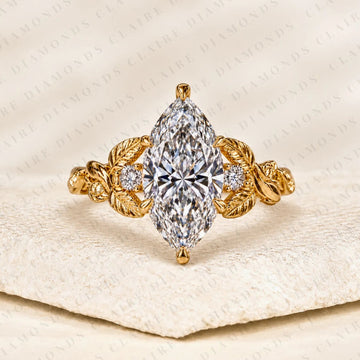 Marquise Cut Lab Grown Diamond Engagement Ring Nature Inspired Gold Vine Ring with Leaf Vintage Luxury Wedding Ring for Women
From $ 1,407.00
Shop Now
-
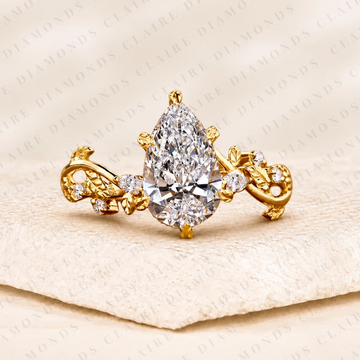 Pear Cut Lab Grown Diamond Engagement Ring Nature Inspired Gold Vine Ring Floral Vintage Wedding Ring Luxury Bridal Jewelry
From $ 1,370.00
Shop Now
-
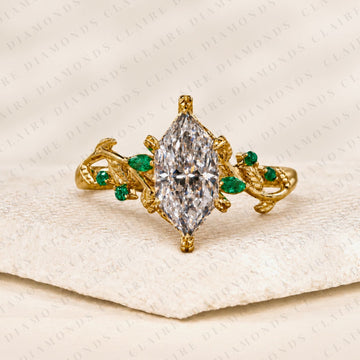 Dutch Marquise Cut Lab Grown Diamond Engagement Nature Inspired Ring Green Marquise Side Stones Vintage Bridal Jewelry
From $ 1,422.00
Shop Now
-
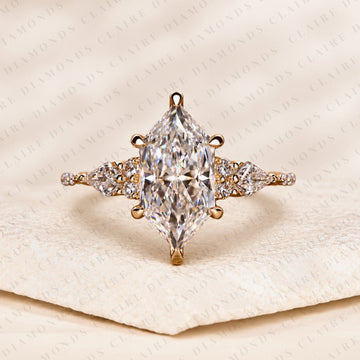 Dutch Marquise Cut Lab Grown Diamond Engagement Ring with Kite Cut Side Stones Luxury Wedding Ring for Women
From $ 1,473.00
Shop Now
-
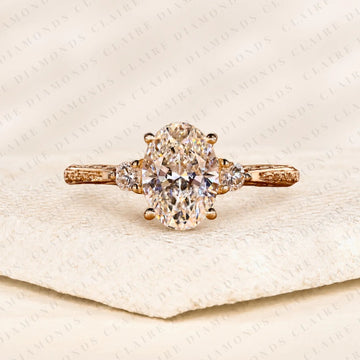 Oval Cut Lab Grown Diamond Ring Vintage Inspired Three Stone Engagement Ring with Side Diamonds Timeless Jewelry
From $ 1,458.00
Shop Now
-
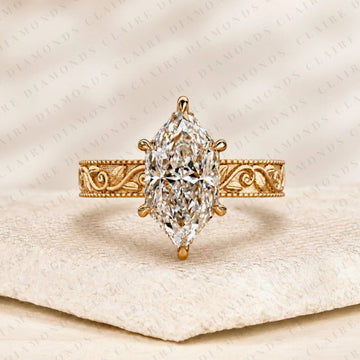 Dutch Marquise Cut Lab Grown Diamond Engagement Solitaire Ring Vintage Engraved Gold Band Filigree Wedding Ring Luxury Bridal Jewelry
From $ 1,317.00
Shop Now
-
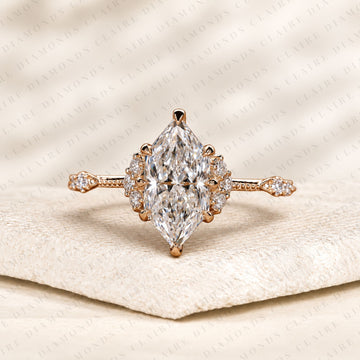 Dutch Marquise Cut Lab Grown Diamond Engagement Ring Rose Gold with Pavé Accents Vintage Inspired Luxury Wedding Ring for Women
From $ 1,373.00
Shop Now
-
 Oval Cut Moissanite Diamond Band Floral Pave Gold Engagement Ring Nature Inspired Wedding Elegant Luxury Jewelry for Women
From $ 248.00
Shop Now
-
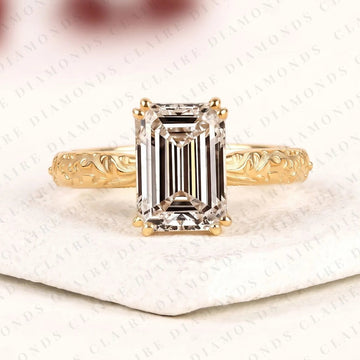 Emerald Cut Lab Grown Diamond Engagement Ring | Engraved Floral Gold Band with Pavé Accents | Vintage-Inspired Bridal Ring
From $ 1,397.00
Shop Now
-
Oval Cut Lab Grown Diamond Band Floral Pave Gold Engagement Ring Nature Inspired Wedding Elegant Luxury Jewelry for Women
From $ 1,402.00
Shop Now
-
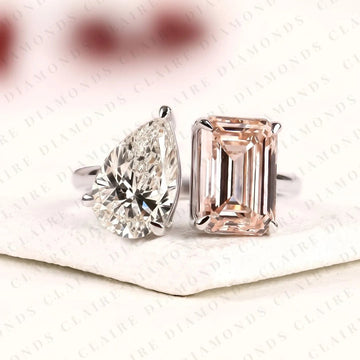 4.00 TCW Pear and Emerald Cut Toi et Moi Lab Grown Diamond Ring | Two-Stone Modern Gold Engagement Ring | Unique Luxury Bridal Jewelry
From $ 2,441.00
Shop Now
-
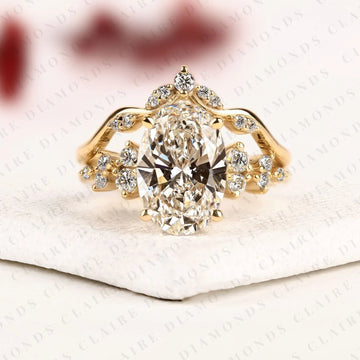 Oval Cut Lab Grown Diamond Engagement Ring Set Nature Inspired Wedding Ring with Floral Pave Accents Luxury Bridal Set Jewelry
From $ 1,422.00
Shop Now
-
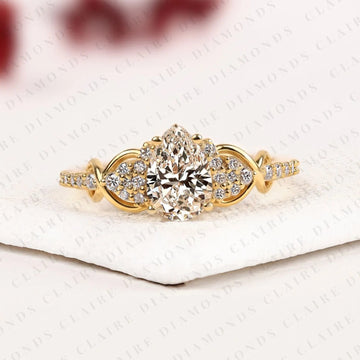 Pear Cut Lab Grown Diamond Engagement Ring Vintage Gold Halo Ring with Pave Side Stones Elegant Wedding Ring for Women
From $ 836.00
Shop Now
-
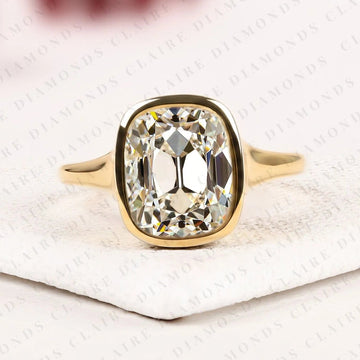 Old Mine Elongated Cushion Cut Lab Grown Diamond Engagement Ring Bezel Set Gold Solitaire Minimalist Vintage Wedding Ring for Women
From $ 1,343.00
Shop Now
-
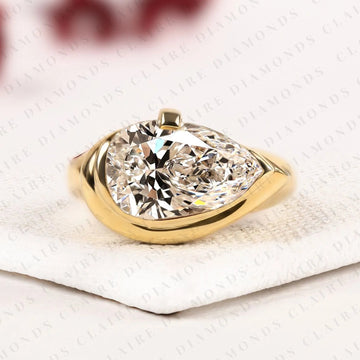 East West Pear Cut Lab Grown Diamond Engagement Ring Bezel Set Gold Solitaire Wedding Ring Unique Anniversary Jewelry
From $ 1,910.00
Shop Now

