
Engagement Rings
Pavé Engagement Rings: Micro Pavé, Durability and Buying Tips

Few details change the look of an engagement ring as much as a pavé band. A row of tiny stones set close together turns a simple band into a ribbon of light, making the center stone look brighter and the whole ring feel more finished. But pavé comes in several styles, and each one has trade-offs in sparkle, comfort, durability and upkeep. This guide walks you through what pavé is, how the main styles differ, and how to choose a pavé engagement ring in moissanite or lab grown diamond that you will love wearing every day.
What Is a Pavé Setting?
Pavé (pronounced "pah-VAY") comes from the French word for "paved." In jewelry it describes small accent stones set very close together, so the metal surface looks paved with sparkle. Each stone is held by tiny beads or prongs raised from the metal, which keeps the metal between stones to a minimum.
On an engagement ring, pavé usually runs along the band, around a halo, or underneath the center stone as a hidden halo. The accent stones are usually 1 to 1.5 mm across, so they read as one continuous line of light rather than individual gems.


The Main Types of Pavé
Classic Pavé
Classic pavé uses small beads of metal to hold each stone, usually with stones running across the top of the band. It is balanced and timeless, and it suits almost every center stone shape, from round and oval to elongated cushion.
Micro Pavé
Micro pavé uses even smaller stones, often under 1 mm, set under magnification. The result is a very fine, almost liquid shimmer with minimal visible metal. It looks especially elegant on slim bands and keeps the focus on the center stone.
French Pavé (Fishtail)
French pavé cuts a small V-shaped notch of metal under each stone, so more of the stone's side is visible. More light enters each accent, which gives a slightly brighter, more open look. It pairs beautifully with vintage and antique-inspired designs.
U-Cut and Scalloped Pavé
In U-cut or scalloped pavé, the metal under the stones is carved in soft U shapes when viewed from the side. It adds a delicate, lacy profile and lets in extra light, which is lovely on rings meant to be seen from every angle.
Twisted and Split-Shank Pavé
Pavé is not limited to straight bands. A twisted pavé band wraps one row of stones around a plain row of metal for a romantic, rope-like effect. A split-shank pavé band divides into two sparkling strands as it meets the center stone, adding presence to larger stones.
Pros and Cons of a Pavé Band
Why people love it:
- More sparkle: Dozens of small facets catch light from every direction, so the ring glitters even in low light.
- Bigger-looking center stone: A bright band frames the center stone and makes it look more brilliant.
- Finished, luxurious look: Pavé makes even a modest carat weight feel elevated.
- Great for stacking: A pavé engagement ring pairs naturally with plain or matching pavé wedding bands.
What to keep in mind:
- Resizing is limited: Pavé that goes far around the band can only be resized slightly without disturbing the stones.
- Occasional maintenance: Small prongs can wear over years, so an annual check is smart.
- Collects lotion and dust: Tiny settings need more regular cleaning to keep their sparkle.
Pavé Coverage: Half, Three-Quarter or Full
Pavé can cover different portions of the band. Half pavé runs across the top of the band, where it is seen most. It is comfortable, easy to resize and the most practical option for everyday wear. Three-quarter pavé extends further down the sides for extra sparkle while leaving the base smooth. Full pavé wraps all the way around for maximum brilliance, but it is harder to resize and the bottom stones touch surfaces more often. For most people, half pavé hits the sweet spot.

Choosing Your Center Stone for a Pavé Ring
Pavé works with every stone shape, but some pairings stand out. Oval and elongated cushion stones look especially graceful on a slim pavé band because the long outline flows into the line of sparkle. Round brilliants paired with micro pavé create a classic, highly brilliant look. Step cuts like emerald and Asscher contrast nicely with pavé, since the calm "hall of mirrors" facets sit against the busy glitter of the band.
When the center stone is moissanite, the accent stones are usually moissanite too, so the fire and color match. With a lab grown diamond center, lab grown diamond accents keep the whiteness and brilliance consistent. You can explore both options in our moissanite engagement rings and lab grown diamond engagement rings collections.
Metal Choice and Pavé
The metal color changes how pavé reads. White gold and sterling silver blend with the white stones for a seamless, icy line of light. Yellow gold creates a warm frame that makes accents look slightly more defined, and rose gold adds a soft, romantic glow. For long-term durability of the tiny prongs, solid 14K gold is an excellent balance of strength and color. If you love a warm vintage look, an old mine elongated cushion ring with a pavé band in rose gold shows how beautifully pavé and warm metals work together.
How Pavé Pairs With Wedding Bands
A pavé engagement ring gives you lots of options for your wedding band. A matching pavé band creates a continuous wall of sparkle. A plain polished band adds contrast and lets the engagement ring stand out. A curved or contour band can hug a low center stone so the two rings sit flush. If you would rather match everything from the start, a bridal set such as this oval moissanite ring set with curved pavé bands takes the guesswork out of stacking.


How to Care for a Pavé Engagement Ring
- Clean gently every week or two: Soak in warm water with a drop of mild dish soap, then brush gently with a soft toothbrush and rinse.
- Avoid harsh chemicals: Chlorine and strong cleaners can weaken metal over time.
- Take it off for heavy tasks: Remove your ring for gym workouts, gardening and moving furniture, which can knock or bend tiny prongs.
- Get an annual check: A jeweler can tighten any loose accent stones before they become a problem.
- Store separately: Keep your ring in its own soft pouch or lined box so it does not scratch other pieces.
Is a Pavé Engagement Ring Right for You?
If you love sparkle, want your center stone to look bigger and brighter, and like a polished, luxurious look, pavé is a wonderful choice. If you work with your hands a lot or prefer a very low-maintenance ring, consider a half pavé band or a solitaire with a plain band. Either way, moissanite and lab grown diamond make it easier to get a pavé design with a generous center stone without stretching your budget.
Pavé Engagement Ring FAQ
Do pavé stones fall out easily?
Not when the ring is well made. Losing an accent stone is uncommon, and most issues come from hard knocks over time. An annual check and removing your ring for rough activities keeps the risk very low.
Can a pavé ring be resized?
Half pavé rings can usually be resized by about one size up or down, because the base of the band is plain metal. Full pavé bands are much harder to resize, so confirm your ring size before ordering.
What is the difference between pavé and micro pavé?
Both use small accent stones set close together. Micro pavé uses even smaller stones and finer beads, creating a more delicate shimmer with less visible metal.
Does pavé make the center stone look bigger?
Yes, visually. The sparkling band frames the center stone and adds brilliance around it, so the whole ring looks brighter and more substantial.
Is pavé good for everyday wear?
Yes. Half pavé in solid gold is a durable everyday choice. Just clean it regularly and take it off for heavy work or the gym.
Shop the Look
-
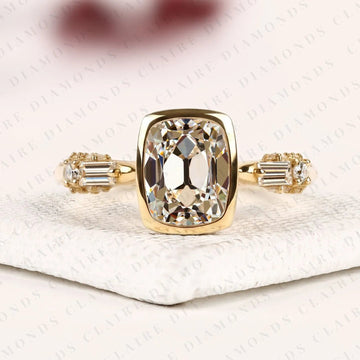 Old Mine Elongated Cushion Cut Lab Grown Diamond Engagement Ring Yellow Gold Bezel Ring with Baguette Side Stone Modern Luxury Bridal Jewelry
From $ 1,554.00
Shop Now
-
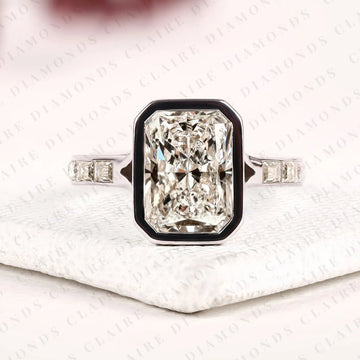 Radiant Cut Lab Grown Diamond Bezel Set Engagement Ring with Baguette Pave Set White Gold Modern Luxury Bridal Jewelry
From $ 1,505.00
Shop Now
-
 Radiant Cut Lab Grown Diamond Three Stone Engagement Ring | Pear Cut Side Stone Gold Ring | Beaded Bezel Statement Bridal Jewelry | Modern Luxury Wedding Ring
From $ 1,468.00
Shop Now
-
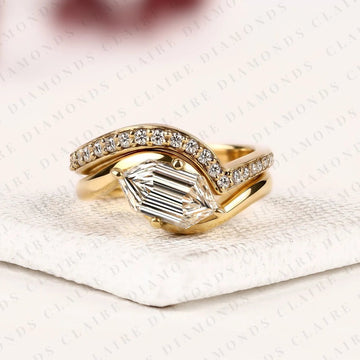 East-West Hexagon Cut Lab Grown Diamond Engagement Ring | Yellow Gold Bypass Pavé Band | Geometric Modern Bridal Ring Set | Unique Statement Jewelry
From $ 873.00
Shop Now
-
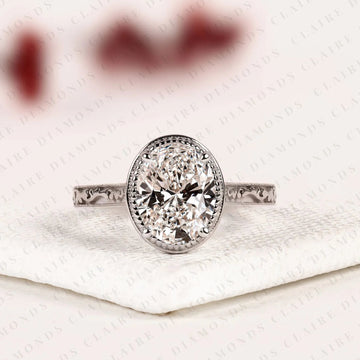 Oval Cut Lab Grown Diamond Engagement Ring Vintage Milgrain Bezel Setting White Gold Engraved Band Elegant Solitaire Bridal Jewelry
From $ 744.00
Shop Now
-
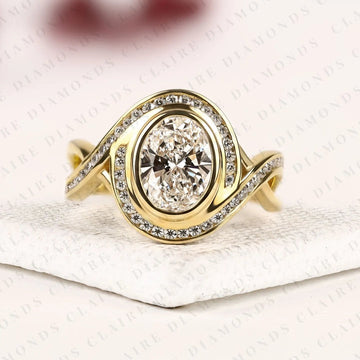 Oval Cut Lab Grown Diamond Engagement Ring | Pavé Bezel Halo Yellow Gold Bypass Ring | Twisted Split Shank Bridal Jewelry | Modern Statement Ring
From $ 939.00
Shop Now
-
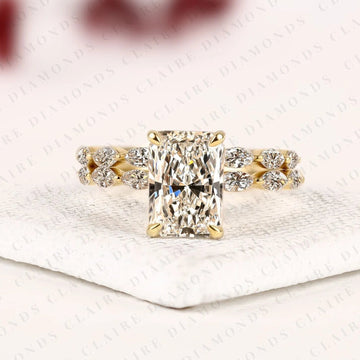 Radiant Cut Lab Grown Diamond Engagement Ring Set Yellow Gold Double Band with Pavé Side Stones Unique Luxury Bridal Ring Set
From $ 1,766.00
Shop Now
-
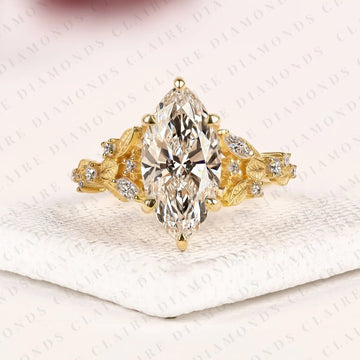 Marquise Cut Lab Grown Diamond Engagement Ring, Floral Leaf Vine Gold Ring, Nature Inspired Bridal Ring, Unique Vintage Wedding Jewelry
From $ 1,407.00
Shop Now
-
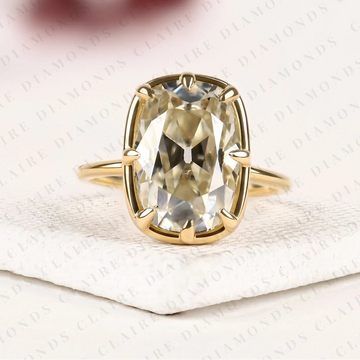 Old Mine Elongated Cushion Cut Lab Grown Diamond Solitaire Engagement Ring Diamond Ring Classic Minimalist Bridal Ring for Women
From $ 2,630.00
Shop Now
-
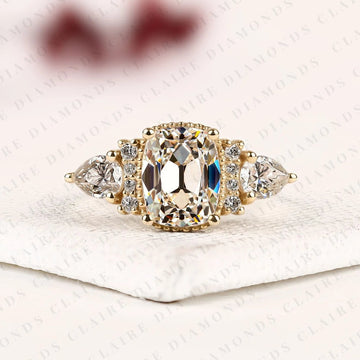 Old Mine Elongated Cushion Cut Lab Grown Diamond Engagement Ring, Milgrain Bezel Setting, Pear Side Stones, Yellow Gold Vintage Bridal Ring
From $ 1,535.00
Shop Now
-
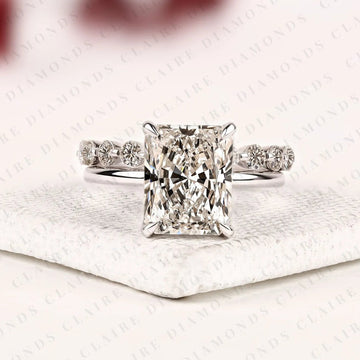 Radiant Cut Lab Grown Diamond Engagement Ring with White Gold Pavé Band | Elongated Radiant Center Stone Modern Classic Bridal Ring Set
From $ 1,674.00
Shop Now
-
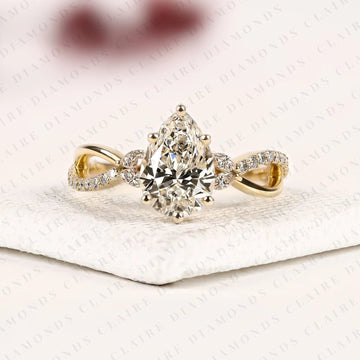 Pear Cut Lab Grown Diamond Engagement Ring | Yellow Gold Twisted Vine Pavé Band | Nature Inspired Bridal Ring | Elegant Unique Wedding Jewelry
From $ 900.00
Shop Now
-
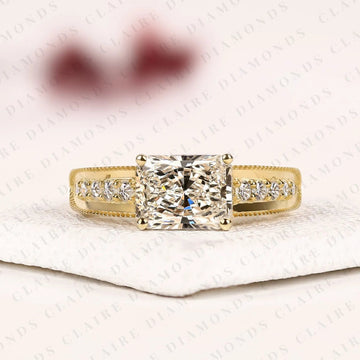 East-West Radiant Cut Lab Grown Diamond Engagement Ring Pavé Band Modern Horizontal Setting Elegant Bridal Jewelry
From $ 854.00
Shop Now
-
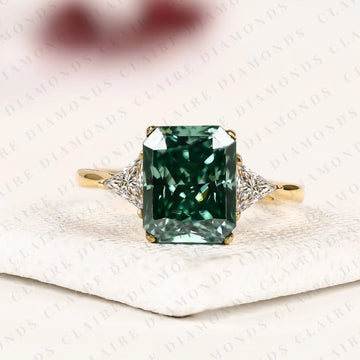 Radiant Cut Green Lab Grown Diamond Engagement Ring Three Stone Ring with Trillion Diamond Accents Luxury Bridal Jewelry
From $ 1,486.00
Shop Now
-
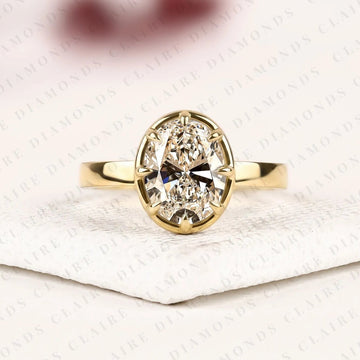 Oval Cut Lab Grown Diamond Engagement Ring | Yellow Gold Bezel Set Solitaire | Minimalist Modern Bridal Ring | Elegant Statement Wedding Jewelry
From $ 753.00
Shop Now

