
Engagement Rings
Platinum vs White Gold Engagement Rings: Which Metal Should You Choose?

Platinum and white gold look almost identical on the day you buy them. Both are bright, cool-toned metals that make a colorless lab grown diamond or moissanite look icy and crisp. The differences show up over years of wear: how the metal ages, how it feels on the hand, what it needs for upkeep and what it costs. This guide walks through each point so you can choose the metal that suits your lifestyle, not just the one that looks best in the showcase.
What Is Platinum?
Platinum is a naturally white precious metal. Platinum jewelry is typically 90–95% pure, usually alloyed with a small amount of ruthenium, iridium or cobalt for workability. Because it is white all the way through, it never needs plating to keep its color.
Platinum is also very dense. A platinum ring weighs noticeably more than the same design in 14K gold, which many people describe as a reassuring, substantial feel on the finger.


What Is White Gold?
Pure gold is yellow, so white gold is made by alloying gold with white metals such as palladium, silver or zinc (and, in some alloys, nickel). The result is a pale, slightly warm grey. To get the bright, mirror-white finish you see in stores, white gold is finished with a thin layer of rhodium plating.
White gold comes in different karats. 14K white gold is 58.3% gold and is the most popular choice for engagement rings in the US because it balances durability and value. 18K white gold contains 75% gold, so it is slightly softer and its underlying color is a touch warmer.
Platinum vs White Gold: Side-by-Side Comparison
Color and Appearance
When new, a rhodium-plated white gold ring and a polished platinum ring are very hard to tell apart. Over time, the rhodium on white gold slowly wears away, especially on the underside of the band, and the softer warm tone of the gold alloy begins to peek through. Platinum stays white, but its high polish gradually softens into a satin-like finish called a patina. Some people love that vintage, lived-in look; others prefer to have it polished back to a shine.
Durability and Wear
This is where the two metals differ most, and it often surprises buyers. Gold alloys are actually harder than platinum, so 14K white gold resists surface scratches slightly better. However, when platinum is scratched, the metal is displaced rather than lost, so the ring keeps its mass for decades. When gold is scratched, tiny amounts of metal wear away, which is why very old gold bands can become thin.
For prongs holding a center stone, platinum is prized because it is tough and less likely to snap. That makes it a favourite for lab grown diamond solitaire engagement rings, where a few prongs carry all the responsibility for the stone.
Weight and Comfort
Platinum is roughly 40–60% heavier than a 14K gold ring of the same design. If you like to feel your ring, platinum delivers that. If you prefer something light for everyday wear, typing, or the gym, 14K white gold may feel more comfortable.
Skin Sensitivity
Platinum is naturally hypoallergenic, so it is the safest choice for anyone with sensitive skin or a known metal allergy. Some white gold alloys contain nickel, a common allergen. The rhodium plating acts as a barrier at first, but as it wears thin, sensitive wearers may notice irritation. If allergies are a concern, ask for a nickel-free white gold alloy or choose platinum.
Maintenance
White gold usually needs re-plating with rhodium every one to three years to keep its bright white finish, depending on how often you wear it and how hard you are on your hands. Re-plating is quick and inexpensive at most jewelers.
Platinum never needs plating. It simply needs an occasional professional polish if you want to remove the patina, plus the same yearly prong check every engagement ring should get.
Price
Platinum engagement rings typically cost more than white gold versions of the same design. The reason is not only the metal price per gram; platinum's density means a ring uses more metal, and it requires higher working temperatures and more skilled labour. The savings from white gold can be redirected into a larger center stone or a matching wedding band.

Which Metal Suits Your Center Stone?
Both metals are a natural match for colorless stones. A D–F lab grown diamond or a colorless moissanite looks its brightest in a white setting, because the metal does not reflect any warm tone into the stone. Platinum is especially popular for settings with delicate details, such as micro pavé, hidden halos and vintage milgrain, because the metal holds fine work securely for years. You can see how white metals frame different shapes in our moissanite engagement ring collection.
For heirloom-style designs like the Old Mine Oval Lab Grown Engagement Ring, both platinum and 14K or 18K white gold are available, so you can choose the metal without compromising on the design.
How to Choose: Quick Decision Guide
- Choose platinum if you have sensitive skin, want a heavier ring, prefer low upkeep, or want the most secure prongs for a large center stone.
- Choose 14K white gold if you want the best value, a lighter feel, and don't mind a quick rhodium refresh every few years.
- Choose 18K white gold if you want a higher gold content with a slightly richer feel and are comfortable with regular re-plating.
- Matching a band? Try to keep your engagement ring and wedding band in the same metal. Platinum is harder-wearing against softer gold, and mixing them can cause the gold piece to wear faster where they rub.


Caring for Your White Metal Ring
Whichever metal you pick, the care routine is simple. Soak your ring in warm water with a few drops of mild dish soap, brush gently with a soft toothbrush, rinse and pat dry. Remove it when using bleach, chlorine pools, or heavy hand tools. Book a professional check once a year so a jeweler can tighten prongs and, for white gold, advise when it is time to re-plate.
Frequently Asked Questions
Can you tell the difference between platinum and white gold?
Not easily when both are new and polished. The differences appear over time: white gold may show a faint warm tone as rhodium wears, while platinum develops a soft satin patina. Platinum also feels noticeably heavier in the hand.
Is platinum worth the extra cost for an engagement ring?
It can be if you value low maintenance, hypoallergenic comfort and long-term metal retention. If budget is a priority, 14K white gold offers the same look for less and lets you invest more in your stone.
Does white gold turn yellow?
White gold does not change color, but as the rhodium plating wears away, its natural slightly warm grey-yellow tone becomes visible. Re-plating restores the bright white finish.
Which metal is best for moissanite or lab grown diamonds?
Both platinum and white gold enhance colorless moissanite and lab grown diamonds beautifully. Choose based on your budget, comfort preference and how much upkeep you are happy with.
Can a platinum engagement ring be resized?
Yes. Platinum and white gold rings can both be resized by a skilled jeweler, though full eternity and heavily pavé-set designs are more limited in either metal.
Still deciding? Compare designs side by side in your preferred metal and center stone, and choose the ring that will feel like yours every day for years to come.
Shop the Look
-
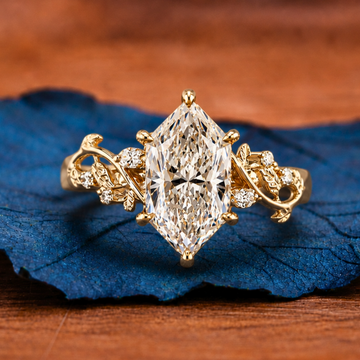 Dutch Marquise Lab Grown Engagement Ring Floral Set Vintage Inspired Wedding Ring
From $ 723.60
Shop Now
-
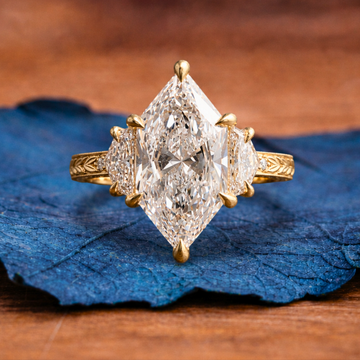 Dutch Marquise Three Stone Engraved Band Vintage Lab grown Engagement Ring
From $ 1,191.60
Shop Now
-
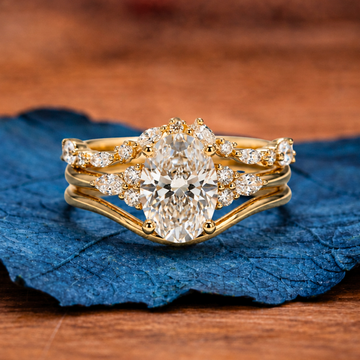 Oval Lab Grown Engagement Ring Set Gold Bridal Wedding Ring Set
From $ 873.60
Shop Now
-
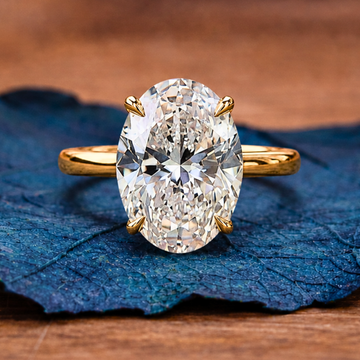 Oval Cut Lab Grown Engagement Ring Tulip Set Hidden Halo Ring Wedding Rings For Women Solitaire Ring Anniversary
From $ 1,257.60
Shop Now
-
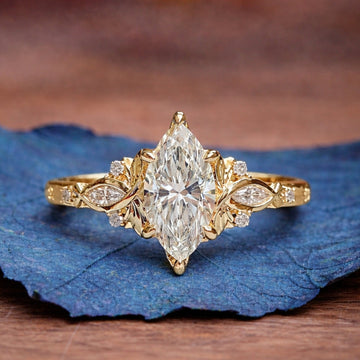 Cluster Marquise Lab Grown Engagement Ring Art Deco Gold Vintage Wedding Ring
From $ 784.80
Shop Now
-
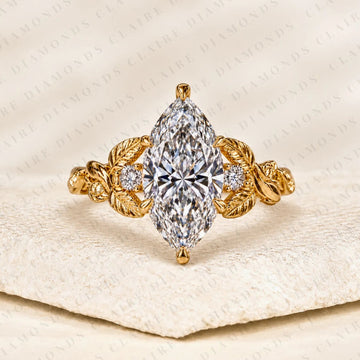 Marquise Cut Lab Grown Diamond Engagement Ring Nature Inspired Gold Vine Ring with Leaf Vintage Luxury Wedding Ring for Women
From $ 1,407.00
Shop Now
-
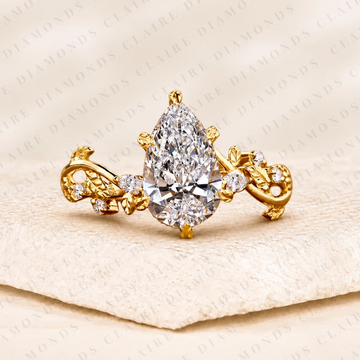 Pear Cut Lab Grown Diamond Engagement Ring Nature Inspired Gold Vine Ring Floral Vintage Wedding Ring Luxury Bridal Jewelry
From $ 1,370.00
Shop Now
-
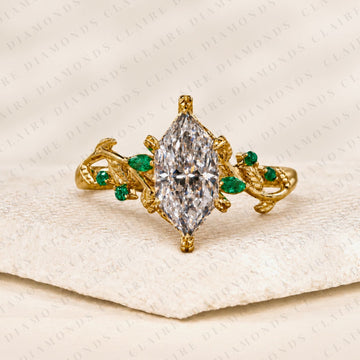 Dutch Marquise Cut Lab Grown Diamond Engagement Nature Inspired Ring Green Marquise Side Stones Vintage Bridal Jewelry
From $ 1,422.00
Shop Now
-
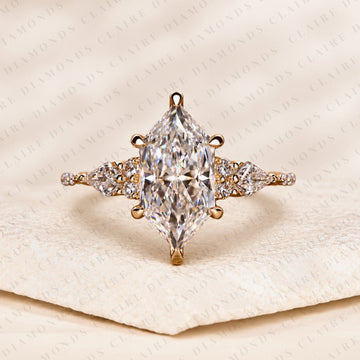 Dutch Marquise Cut Lab Grown Diamond Engagement Ring with Kite Cut Side Stones Luxury Wedding Ring for Women
From $ 1,473.00
Shop Now
-
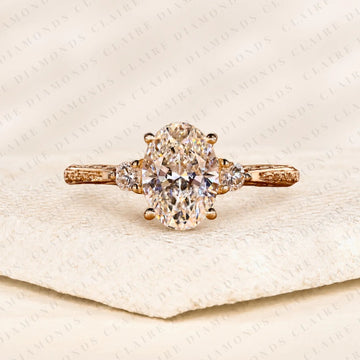 Oval Cut Lab Grown Diamond Ring Vintage Inspired Three Stone Engagement Ring with Side Diamonds Timeless Jewelry
From $ 1,458.00
Shop Now
-
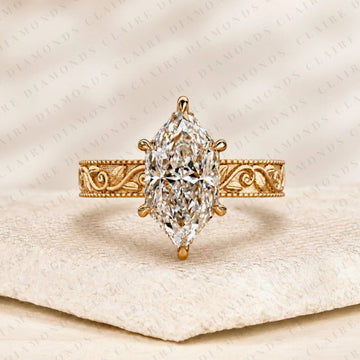 Dutch Marquise Cut Lab Grown Diamond Engagement Solitaire Ring Vintage Engraved Gold Band Filigree Wedding Ring Luxury Bridal Jewelry
From $ 1,317.00
Shop Now
-
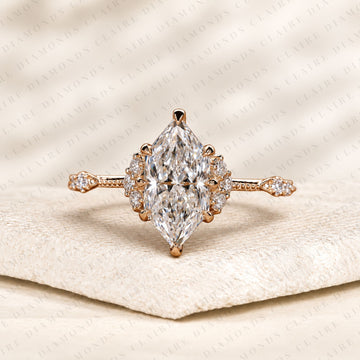 Dutch Marquise Cut Lab Grown Diamond Engagement Ring Rose Gold with Pavé Accents Vintage Inspired Luxury Wedding Ring for Women
From $ 1,373.00
Shop Now
-
 Oval Cut Moissanite Diamond Band Floral Pave Gold Engagement Ring Nature Inspired Wedding Elegant Luxury Jewelry for Women
From $ 248.00
Shop Now
-
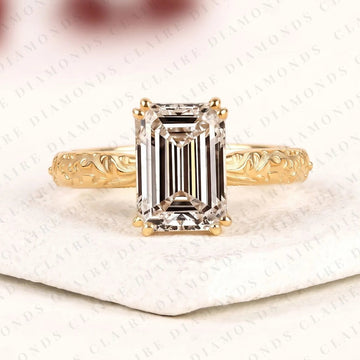 Emerald Cut Lab Grown Diamond Engagement Ring | Engraved Floral Gold Band with Pavé Accents | Vintage-Inspired Bridal Ring
From $ 1,397.00
Shop Now
-
Oval Cut Lab Grown Diamond Band Floral Pave Gold Engagement Ring Nature Inspired Wedding Elegant Luxury Jewelry for Women
From $ 1,402.00
Shop Now

