
Engagement Rings
Split Shank Engagement Rings: Styles, Stone Pairings and Buying Tips
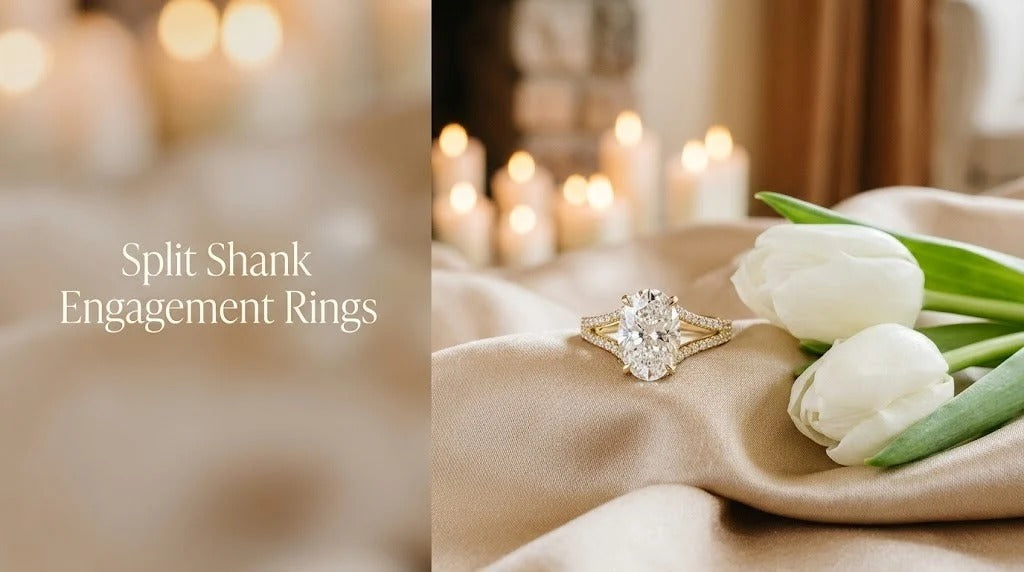
A split shank engagement ring is one of the easiest ways to make a center stone look larger, add architectural interest to a simple solitaire, and give your ring a silhouette that feels both modern and romantic. Instead of a single band running straight up to the head, the shank divides into two (sometimes three) strands as it approaches the center stone. The result is an open, airy shape that draws the eye straight to your moissanite or lab grown diamond.
In this guide we explain how split shank rings are built, which stone shapes suit them best, how they compare with other band styles, and what to check before you buy, including wedding band fit, comfort and everyday durability.
What Is a Split Shank Engagement Ring?
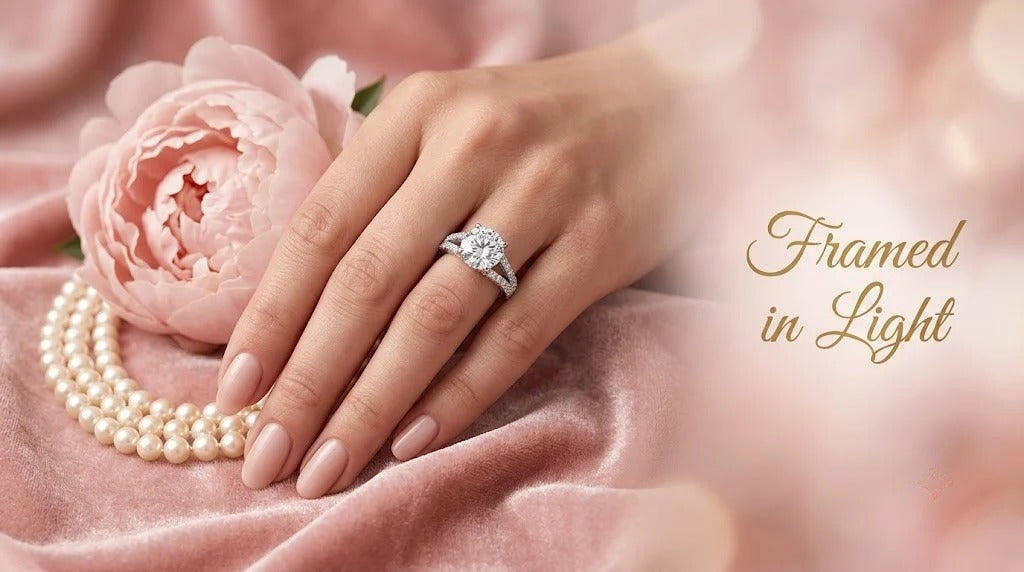
The "shank" is the part of the ring that wraps around your finger. On a split shank design, the shank is a single band at the back of the finger and then separates into two thinner bands on each shoulder, rejoining (or flaring out) at the setting. The gap between the strands can be narrow and subtle or wide and dramatic.
Because the band widens visually near the top of the ring, it frames the center stone the way a halo does, but without adding extra stones around it. That makes split shanks a popular choice for people who want presence without a busy look.
Common Split Shank Variations
- Classic split: two plain metal strands that open evenly on both shoulders.
- Pavé split shank: one or both strands are set with small stones for extra sparkle.
- Twisted split: the strands cross or twist toward the center for a vine-like, romantic feel.
- Double band: the strands remain separate almost all the way around, reading like two stacked bands.
- Tapered split: a gentle, narrow opening that is ideal for smaller fingers or petite stones.
Why Choose a Split Shank?
It makes the center stone look bigger
The wider footprint on the shoulders creates a frame that leads the eye inward. A 2 carat moissanite on a split shank often reads larger than the same stone on a thin knife-edge band, which is part of why this style is so popular with elongated cuts.
It adds strength at the top
Two strands support the head from more points than a single thin band, which spreads stress more evenly. With larger center stones, that added support helps the setting feel solid on the hand.
It flatters a wider range of hands
The extra width on the shoulders balances longer fingers and adds visual weight to a ring that might otherwise look delicate. On shorter fingers, a narrow, tapered split still elongates the hand without overwhelming it.
Best Stone Shapes for a Split Shank
Almost any shape works, but some pair especially well:
- Elongated cushion and oval: the open shoulders echo the soft curves and emphasize length. Our elongated cushion split shank moissanite ring is a good example of the balance between stone and band.
- Radiant and emerald: crisp corners look striking against two clean metal lines. See the radiant lab grown diamond split shank double band ring.
- Round brilliant: a timeless option that looks especially bright with a pavé split.
- East-west oval: turning the stone sideways and adding a split band gives a fresh, fashion-forward profile, like this half bezel east-west oval moissanite ring.
Split Shank vs Other Band Styles
Split shank vs straight solitaire band
A straight band is minimalist and pairs with almost any wedding band. A split shank has more presence and makes the stone look larger, but it may need a contoured or carefully chosen band to sit flush.
Split shank vs halo
Both make the center stone look bigger. A halo does it with a ring of small stones around the center; a split shank does it with metal geometry. If you love sparkle, a pavé split gives you some of both. If you prefer clean lines, a plain split is the subtler choice.
Split shank vs bypass
Bypass bands wrap around the center stone in a swirl. Split shanks stay symmetrical, which many people find easier to match with a wedding band.
Choosing the Right Metal
Because a split shank shows more metal on the shoulders, the color of the metal plays a bigger role than it does on a thin band.
- Yellow gold gives warm contrast and looks rich against a colorless moissanite or lab grown diamond.
- White gold blends with the stone for an icy, continuous look, especially with a pavé split.
- Rose gold softens the architecture and feels romantic and vintage-inspired.
For everyday durability, 14K gold is a dependable choice. It holds its shape well across the thinner split strands while still offering rich color.
Wedding Band Pairing Tips
The point where the shank splits can create a small gap or a bump against a straight wedding band. Here is how to plan for it:
- Try a contour or curved band that follows the shape of the split shoulders.
- Choose a thin straight band and accept a small gap; many people love the separation.
- Consider a matching bridal set designed to nest together.
- Check the setting height: a higher head often leaves room for a straight band to slide underneath.
Explore options in our moissanite solitaire engagement rings collection to compare split and straight designs side by side.
Comfort and Sizing
Most split shank rings stay a single band at the back, so they feel like any other ring where your fingers meet. The wider top can feel slightly more substantial between fingers, especially with a dramatic split. If you wear gloves often or type all day, a tapered split with a moderate opening is usually the most comfortable choice.
Size the ring as you would any band of similar width. Wide, double-band styles can fit a little snugger, so if you are between sizes, consider going up a quarter size.
Caring for a Split Shank Ring
The open space between the strands can collect lotion and soap. A quick soak in warm water with mild dish soap and a gentle brush with a soft toothbrush keeps it bright. Check pavé strands every few months for loose stones, and take the ring off for heavy lifting or gym sessions to protect the thinner strands from bending.
Frequently Asked Questions
Are split shank engagement rings durable?
Yes. The two strands support the setting from more points, and a well-made 14K gold split shank is strong enough for everyday wear. Very thin pavé strands need a little more care.
Do split shank rings make the stone look bigger?
They do. The wider shoulders frame the center stone and draw attention to it, so the stone often appears larger than on a slim band.
Can I wear a straight wedding band with a split shank?
Often yes, especially if the head sits high. Otherwise a contour band or a matching bridal set will give a flush fit.
Which stone shape looks best on a split shank?
Elongated shapes such as oval, elongated cushion and radiant are especially flattering, but round brilliant and east-west settings also look beautiful.
Is a split shank good for small hands?
Choose a tapered split with a narrow opening and a moderate stone size. It adds elegance without overwhelming a petite finger.
Final Thoughts
A split shank engagement ring offers a rare combination of presence, structure and grace. Whether you choose a plain gold split for clean lines or a pavé split for extra sparkle, it is an easy way to elevate a solitaire moissanite or lab grown diamond. Browse our lab grown diamond solitaire engagement rings to find the split shank that feels like yours.
Shop the Look
-
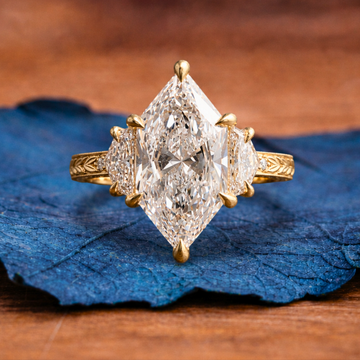 Dutch Marquise Three Stone Engraved Band Vintage Lab grown Engagement Ring
From $ 1,191.60
Shop Now
-
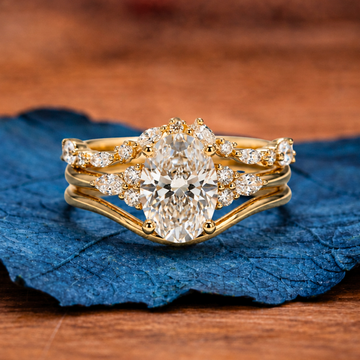 Oval Lab Grown Engagement Ring Set Gold Bridal Wedding Ring Set
From $ 873.60
Shop Now
-
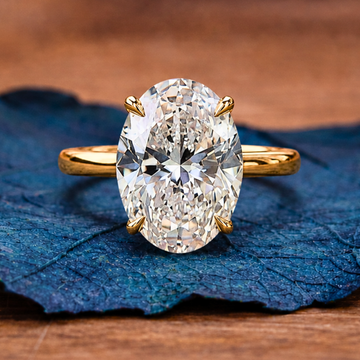 Oval Cut Lab Grown Engagement Ring Tulip Set Hidden Halo Ring Wedding Rings For Women Solitaire Ring Anniversary
From $ 1,257.60
Shop Now
-
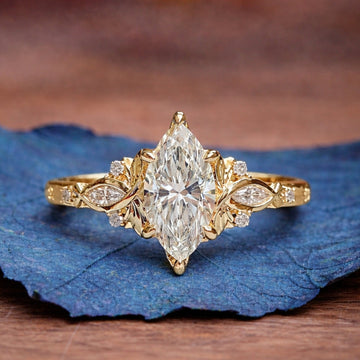 Cluster Marquise Lab Grown Engagement Ring Art Deco Gold Vintage Wedding Ring
From $ 784.80
Shop Now
-
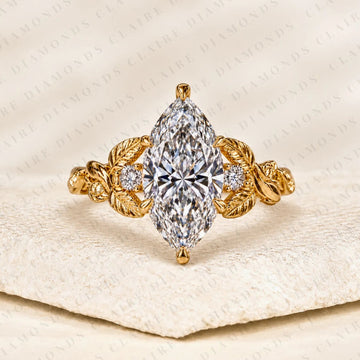 Marquise Cut Lab Grown Diamond Engagement Ring Nature Inspired Gold Vine Ring with Leaf Vintage Luxury Wedding Ring for Women
From $ 1,407.00
Shop Now
-
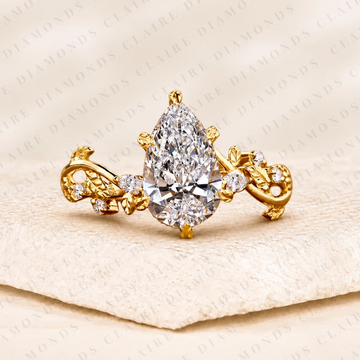 Pear Cut Lab Grown Diamond Engagement Ring Nature Inspired Gold Vine Ring Floral Vintage Wedding Ring Luxury Bridal Jewelry
From $ 1,370.00
Shop Now
-
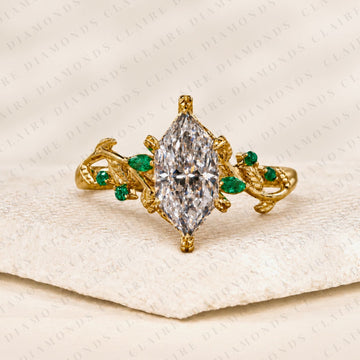 Dutch Marquise Cut Lab Grown Diamond Engagement Nature Inspired Ring Green Marquise Side Stones Vintage Bridal Jewelry
From $ 1,422.00
Shop Now
-
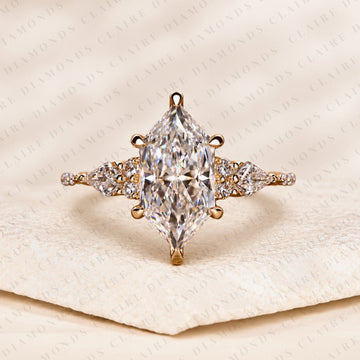 Dutch Marquise Cut Lab Grown Diamond Engagement Ring with Kite Cut Side Stones Luxury Wedding Ring for Women
From $ 1,473.00
Shop Now
-
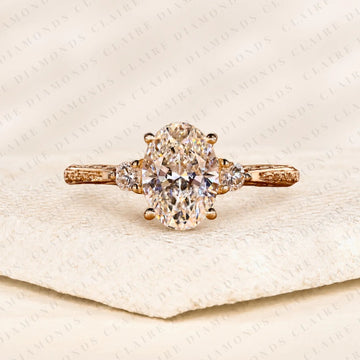 Oval Cut Lab Grown Diamond Ring Vintage Inspired Three Stone Engagement Ring with Side Diamonds Timeless Jewelry
From $ 1,458.00
Shop Now
-
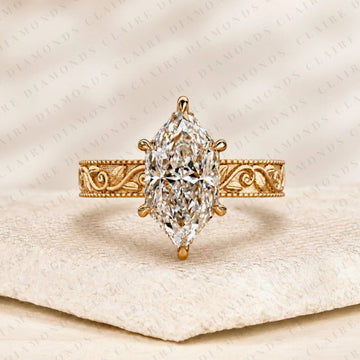 Dutch Marquise Cut Lab Grown Diamond Engagement Solitaire Ring Vintage Engraved Gold Band Filigree Wedding Ring Luxury Bridal Jewelry
From $ 1,317.00
Shop Now
-
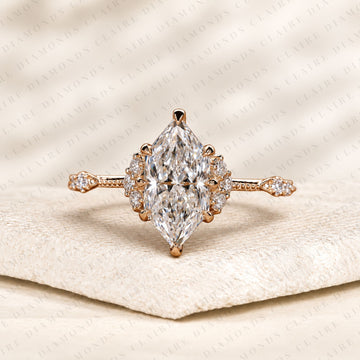 Dutch Marquise Cut Lab Grown Diamond Engagement Ring Rose Gold with Pavé Accents Vintage Inspired Luxury Wedding Ring for Women
From $ 1,373.00
Shop Now
-
 Oval Cut Moissanite Diamond Band Floral Pave Gold Engagement Ring Nature Inspired Wedding Elegant Luxury Jewelry for Women
From $ 248.00
Shop Now
-
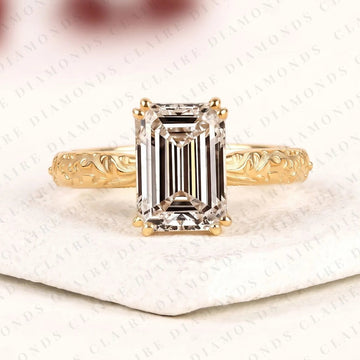 Emerald Cut Lab Grown Diamond Engagement Ring | Engraved Floral Gold Band with Pavé Accents | Vintage-Inspired Bridal Ring
From $ 1,397.00
Shop Now
-
Oval Cut Lab Grown Diamond Band Floral Pave Gold Engagement Ring Nature Inspired Wedding Elegant Luxury Jewelry for Women
From $ 1,402.00
Shop Now
-
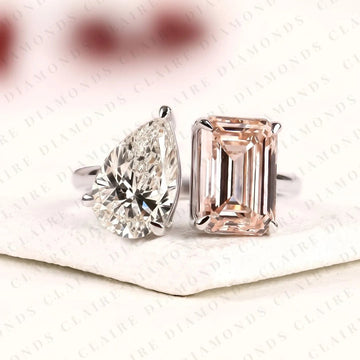 4.00 TCW Pear and Emerald Cut Toi et Moi Lab Grown Diamond Ring | Two-Stone Modern Gold Engagement Ring | Unique Luxury Bridal Jewelry
From $ 2,441.00
Shop Now

