
Engagement Rings
Yellow Gold Engagement Rings: Karat, Stone Color and Style Guide

Yellow gold is having a well-earned moment. After years of white metals ruling the bridal counter, more couples are choosing the warm, sunlit glow of yellow gold for their engagement rings. It feels classic and personal at once: a nod to heirloom jewelry that still looks fresh next to a modern oval or a sleek emerald cut. If you are considering a yellow gold engagement ring, this guide walks you through karat choices, which stones and color grades look best against gold, the settings that flatter it, and how to keep it glowing for decades.
Why Yellow Gold Is Back in Bridal Style
Yellow gold never fully disappeared, but its comeback is driven by a few clear trends. Vintage and antique-inspired designs, such as old mine cuts, engraved bands and bezel settings, look especially authentic in warm metal. Stacking culture also favors gold, because yellow gold bands, eternity rings and everyday jewelry pair easily with one another.
There is also a skin-tone advantage. Yellow gold tends to flatter warm, olive and deeper skin tones beautifully, and it softens the look of a large center stone so it feels romantic rather than icy. Many people simply find that yellow gold looks like jewelry in the most traditional, emotional sense.
Choosing the Right Karat: 10K, 14K or 18K
Pure gold (24K) is too soft for a ring you wear every day, so it is alloyed with other metals for strength. The karat number tells you how much pure gold is in the mix, and it changes both color and durability.
10K Yellow Gold
At about 41.7% gold, 10K is the hardest and most budget-friendly option. Its color is a paler, softer yellow. It is a practical pick for very active hands, though it is less common for those who want a rich, buttery tone.
14K Yellow Gold
At 58.3% gold, 14K is the most popular choice in the US for engagement rings. It balances a warm, recognizable gold color with good scratch resistance and holds prongs securely. For most buyers, 14K is the sweet spot.
18K Yellow Gold
At 75% gold, 18K delivers the deepest, most luxurious yellow. It is slightly softer, so it can show wear sooner, but many people love how it develops a gentle patina over time. If you want that rich European look, 18K is worth considering. For a deeper comparison, see our guides on 14K vs 18K and 10K vs 14K gold in the education blog.
Best Stones and Color Grades for Yellow Gold
A common question is whether yellow gold makes a white stone look yellow. The honest answer: the metal can reflect a little warmth into the stone, which is why color choice matters, but it also gives you more flexibility than you might expect.
Lab Grown Diamonds
Because yellow gold already adds warmth, many buyers comfortably choose a slightly lower color grade, such as G or H, for a lab grown diamond in yellow gold without noticing a difference. If you want the brightest contrast, a D to F stone will look crisp and icy against the gold. Browse our lab grown diamond solitaire engagement rings to see how different shapes sit in warm metal.
Moissanite
Colorless moissanite (D to F) pairs beautifully with yellow gold. Its strong fire throws colorful flashes that look lively against the warm band. Moissanite is also very hard, making it a durable everyday choice. Explore our moissanite solitaire engagement rings for options in 10K, 14K and 18K yellow gold.
A Popular Two-Tone Trick
Some designs pair a yellow gold band with white gold or platinum prongs. The white head makes the center stone look as bright as possible while the band keeps its golden warmth. Ask about this option if you want maximum sparkle without giving up the yellow gold look.
Stone Shapes That Shine in Yellow Gold
- Oval: Elongates the finger and looks soft and romantic in warm metal.
- Emerald cut: Its clean step facets and gold together create a refined Art Deco mood.
- Old mine and antique cushion: Chunky, candlelit facets look naturally at home in yellow gold.
- Pear: A graceful teardrop that feels feminine and a little vintage.
- Round brilliant: The classic choice, maximizing sparkle against a golden band.
Vintage-leaning shapes are especially striking in gold. See our antique style lab grown diamond rings for old mine and antique cuts made for warm metal.

Settings That Flatter Yellow Gold
Solitaire
A slim yellow gold solitaire is timeless. Thin bands (around 1.8 to 2.2 mm) feel delicate and modern, while slightly wider bands lean classic.
Bezel
A gold rim around the stone looks sleek and protective, and the warm frame makes the center stone pop. Bezels are ideal for active lifestyles. Browse our bezel engagement rings for clean, low-profile designs.
Hidden Halo and Pavé
A hidden halo adds a flash of sparkle from the side, while a pavé band gives a continuous glimmer. In yellow gold, these details feel warm and luxurious rather than flashy.
Engraved and Vintage Details
Milgrain edges, filigree and hand-engraved patterns look rich and heirloom-like in gold, giving your ring a story-filled character.
Matching a Wedding Band
A plain yellow gold band is the simplest match and highlights the engagement ring. For more sparkle, a half-eternity band in the same karat creates a polished stack. Mixing metals is also popular now: a yellow gold engagement ring with a white gold diamond band can look intentional and modern. Just match karats where possible so both rings wear at a similar rate.
Caring for a Yellow Gold Engagement Ring
- Clean weekly with warm water, a drop of mild dish soap and a soft toothbrush.
- Remove your ring for the gym, gardening, swimming in chlorinated pools and cleaning with harsh chemicals.
- Store it separately in a soft pouch or lined box to avoid scratches.
- Have prongs checked by a jeweler every 6 to 12 months.
- Expect light scratches over time; a professional polish restores the shine.
Unlike white gold, yellow gold is not rhodium plated, so it will never need replating to keep its color. That makes it one of the lowest-maintenance metals for a lifetime ring.
Frequently Asked Questions
Does yellow gold make a diamond look yellow?
It can add a touch of warmth, especially to lower color grades. Choosing D to F, or using white gold prongs, keeps the stone looking bright. Many people actually like the soft warmth that a G or H stone shows in yellow gold.
Is 14K or 18K better for an engagement ring?
14K is more durable and budget-friendly, making it ideal for daily wear. 18K has a richer color and feels more luxurious, but it is slightly softer and may show wear sooner.
Is yellow gold out of style?
Not at all. Yellow gold is one of the strongest bridal trends right now, especially for vintage-inspired, bezel and solitaire designs.
Can I wear yellow gold with silver or white gold jewelry?
Yes. Mixed metals are very popular. Repeating gold somewhere else in your look, such as earrings or a bracelet, helps everything feel cohesive.
Does moissanite look good in yellow gold?
Yes. Colorless moissanite contrasts beautifully with warm gold, and its rainbow fire looks especially lively against the yellow band.
Find Your Golden Ring
A yellow gold engagement ring brings warmth, history and personality to one of the most meaningful pieces you will ever wear. Choose 14K for everyday durability or 18K for the richest glow, pair it with a bright lab grown diamond or fiery moissanite, and pick a setting that fits your lifestyle. When you are ready, explore Claire Diamonds engagement rings, all available in 10K, 14K and 18K yellow gold.
Shop the Look
-
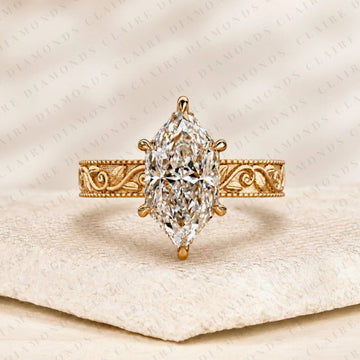 Dutch Marquise Cut Lab Grown Diamond Engagement Solitaire Ring Vintage Engraved Gold Band Filigree Wedding Ring Luxury Bridal Jewelry
From $ 1,317.00
Shop Now
-
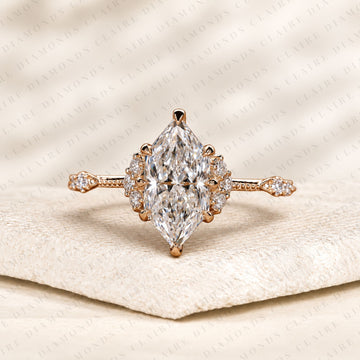 Dutch Marquise Cut Lab Grown Diamond Engagement Ring Rose Gold with Pavé Accents Vintage Inspired Luxury Wedding Ring for Women
From $ 1,373.00
Shop Now
-
 Oval Cut Moissanite Diamond Band Floral Pave Gold Engagement Ring Nature Inspired Wedding Elegant Luxury Jewelry for Women
From $ 248.00
Shop Now
-
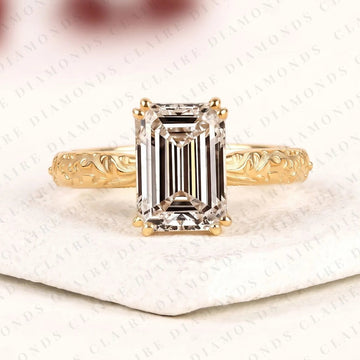 Emerald Cut Lab Grown Diamond Engagement Ring | Engraved Floral Gold Band with Pavé Accents | Vintage-Inspired Bridal Ring
From $ 1,397.00
Shop Now
-
Oval Cut Lab Grown Diamond Band Floral Pave Gold Engagement Ring Nature Inspired Wedding Elegant Luxury Jewelry for Women
From $ 1,402.00
Shop Now
-
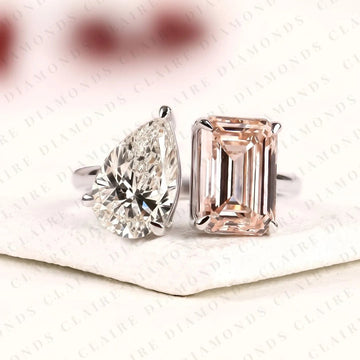 4.00 TCW Pear and Emerald Cut Toi et Moi Lab Grown Diamond Ring | Two-Stone Modern Gold Engagement Ring | Unique Luxury Bridal Jewelry
From $ 2,441.00
Shop Now
-
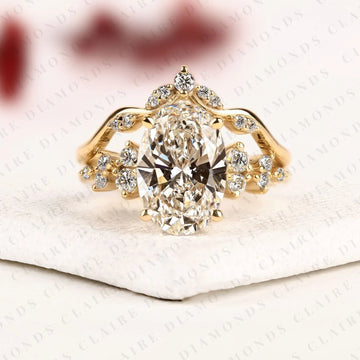 Oval Cut Lab Grown Diamond Engagement Ring Set Nature Inspired Wedding Ring with Floral Pave Accents Luxury Bridal Set Jewelry
From $ 1,422.00
Shop Now
-
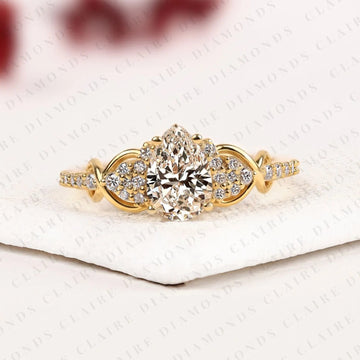 Pear Cut Lab Grown Diamond Engagement Ring Vintage Gold Halo Ring with Pave Side Stones Elegant Wedding Ring for Women
From $ 836.00
Shop Now
-
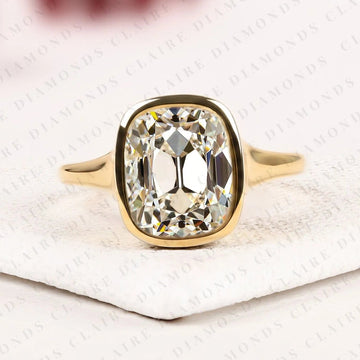 Old Mine Elongated Cushion Cut Lab Grown Diamond Engagement Ring Bezel Set Gold Solitaire Minimalist Vintage Wedding Ring for Women
From $ 1,343.00
Shop Now
-
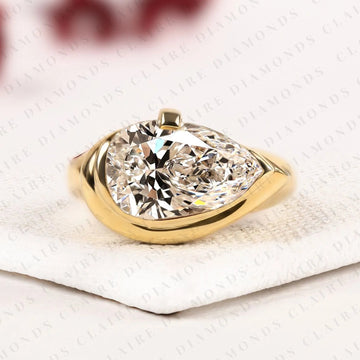 East West Pear Cut Lab Grown Diamond Engagement Ring Bezel Set Gold Solitaire Wedding Ring Unique Anniversary Jewelry
From $ 1,910.00
Shop Now
-
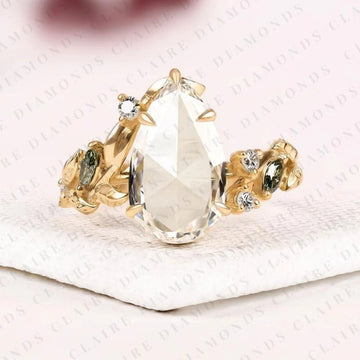 Pear Rose Cut Lab Grown Diamond Engagement Ring Green Marquise Side Stones Botanical Leaf Vine Gold Vintage Wedding Ring
From $ 1,385.00
Shop Now
-
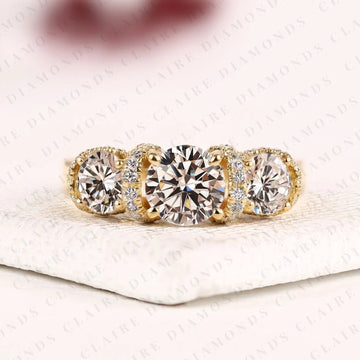 Round Cut Lab Grown Diamond Engagement Ring Three Stone Gold Ring with Diamond Accents Luxury Wedding Ring for Women
From $ 1,485.00
Shop Now
-
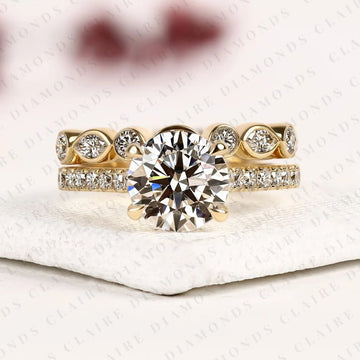 Round Cut Lab Grown Diamond Engagement Ring Set | Yellow Gold Bezel Accent Wedding Band | Modern Two-Tone Bridal Ring Set
From $ 1,549.00
Shop Now
-
 Oval Cut Lab Grown Diamond Engagement Ring Set | Yellow Gold Pavé Wedding Band | Two-Tone Bridal Ring Set
From $ 1,882.00
Shop Now
-
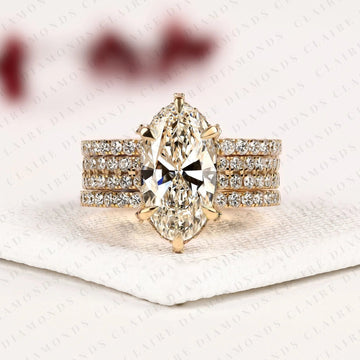 Oval Cut Lab Grown Diamond Hidden Halo Ring Multi Row Pave Gold Band Luxury Bridal Set Wedding Ring for Women
From $ 2,825.00
Shop Now


