
Fine Jewellery
Diamond Solitaire Necklace Guide: Shape, Carat, Setting and Chain
A diamond solitaire necklace is a single stone on a simple chain, and choosing one comes down to five decisions: the shape of the stone, its carat size, the setting that holds it, the chain length it hangs from and the metal. Get those right and you have a piece she can wear every day for years. Here is how to make each choice with confidence, whether you are shopping for yourself or for a holiday gift.
Why a solitaire necklace is such an easy yes
Solitaire pendants are one of the most wearable pieces of fine jewelry because they work with almost everything, from a T-shirt to a wedding guest dress. They also make a dependable gift when you are not sure of someone's ring size or exact taste.
- Everyday friendly: one stone sits close to the collarbone and rarely snags.
- Layering ready: it pairs well with a second, shorter or longer chain.
- Meaningful: a single stone is a natural symbol for a milestone, anniversary or new chapter.
- Flexible budget: lab grown diamond and moissanite options let you choose the look you want at a price that fits.
Step 1: Choose the stone shape
Shape sets the personality of the necklace more than anything else. Think about the jewelry she already wears and pick a shape that matches that style.
- Round: the classic choice with maximum sparkle. It suits every style and is the safest pick for a gift.
- Oval: elongated and graceful, so it can look a little larger than a round of similar carat weight. Great for someone who likes modern classics.
- Emerald cut: long step-cut facets with a clean, architectural "hall of mirrors" look. Ideal for minimalists.
- Pear and marquise: pointed shapes that draw the eye downward and feel romantic and a bit vintage.
- Heart: sentimental and playful, a favorite for Valentine's Day and anniversaries.
If you are matching a necklace to an engagement ring, choosing the same shape creates a cohesive set, while a contrasting shape adds variety to her jewelry box.
Step 2: Pick the right carat size
Carat is a measure of weight, not size, but heavier stones generally face up larger. On a necklace the stone sits farther from the eye than a ring, so the visual impact of a given size reads a bit softer.
- Around 0.20 to 0.50 carat: dainty and subtle, perfect for daily wear and stacking with other necklaces.
- Around 0.75 to 1.00 carat: a noticeable sparkle that still feels refined. This is a popular middle ground for gifts.
- 1.50 carats and up: a statement piece that stands on its own for evenings and special occasions.
Lab grown diamonds have the same chemical, physical and optical properties as mined diamonds, which is why many shoppers use them to step up in size. Moissanite is another option with a fiery, rainbow-flecked sparkle at a lower price. Our guide on lab grown diamond resale value covers what to expect if long-term value matters to you.
Step 3: Decide on the setting
The setting is the small metal frame that holds the stone to the chain. It affects both security and style.
- Prong setting: three, four or six thin claws hold the stone and let in the most light, so it sparkles brightly. Check the prongs once in a while, as with any ring.
- Bezel setting: a thin rim of metal wraps the stone's edge. It looks sleek and modern and offers good protection for an active lifestyle.
- Halo: a ring of small accent stones around the center adds sparkle and makes the pendant look larger.
- Floating or twist designs: the stone appears to hover on the chain or sits in a sculptural setting for a more fashion-forward look.
Step 4: Get the chain length right
Chain length decides where the stone lands, and it is the detail gift buyers most often overlook. These are the common US women's lengths:
- 16 inches: sits at the base of the neck. Clean with crew necks and open collars.
- 18 inches: the most common length for solitaires. It falls at or just below the collarbone and flatters most necklines.
- 20 inches: lands a little lower, ideal for layering under a shorter chain or wearing with V-necks.
When in doubt, an 18-inch chain is the safe choice. If she already wears a necklace every day, borrow it for a quick measurement with a soft tape.
Step 5: Choose the metal
Yellow gold feels warm and classic, white gold looks crisp and bright, and rose gold reads soft and romantic. Try to match the metal she wears most often, including her watch or rings. For help comparing gold purity, see our explainer on 14K vs 18K gold; the same trade-offs between durability and richness of color apply to necklaces.
Shopping tips before you buy
- Set a budget first, then choose the largest stone and best setting that fit inside it.
- For a lab grown diamond center stone, ask us about IGI certification.
- Plan ahead for holidays. Our pieces are handcrafted to order, so order early for Christmas or Valentine's Day.
- Pair it with a matching piece, such as a lab grown diamond tennis bracelet, for a gift set.
Browse our full lab grown diamond necklaces and pendants, compare the moissanite necklace collection, or shop gifts under $500 if you are working with a tighter budget.
Shop diamond solitaire necklaces


Every piece is handcrafted to order and ships with free insured US shipping, backed by our 30-day returns.
Frequently asked questions
What is the most popular chain length for a solitaire necklace?
An 18-inch chain is the most common choice in the US. It sits at or just below the collarbone and works with most necklines.
What carat size looks best on a diamond necklace?
For everyday wear, many people choose between about 0.50 and 1.00 carat. Smaller stones feel delicate and layer well, while 1.50 carats and up make more of a statement.
Is a lab grown diamond necklace a real diamond?
Yes. Lab grown diamonds are real diamonds with the same chemical, physical and optical properties as mined diamonds; they are simply created in a lab instead of mined.
Can I wear a diamond solitaire necklace every day?
Yes, a well-made solitaire is designed for daily wear. Take it off for swimming, the gym and cleaning, and wipe it gently with warm soapy water to keep it bright.
Ready to find her new everyday sparkle? Shop lab grown diamond necklaces and pendants and choose the shape, size and metal that feel like her.
Shop the Look
-
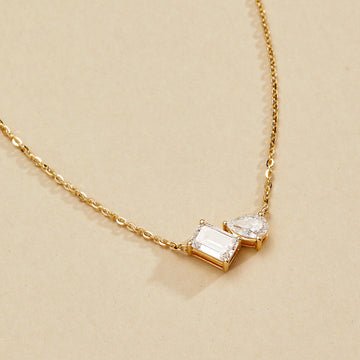 1.25 TCW Emerald and Pear Toi Et Moi Gold Necklace, Two Stone Lab Diamond Pendant
From $ 866.40
Shop Now
-
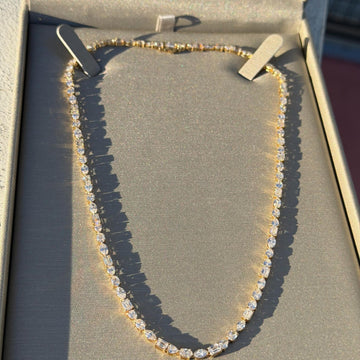 15.25 CT Luxury Lab Diamond Tennis Necklace Gold, Mixed Cut Statement Necklace, Bridal Jewelry, Anniversary Gift For Women
From $ 7,852.80
Shop Now
-
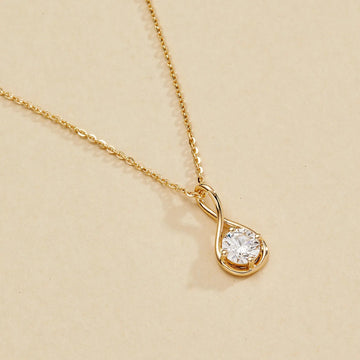 0.50 CT Round Lab Grown Diamond Gold Necklace, Solitaire Pendant, Minimalist Twist Design, Dainty Wedding Gift Jewelry
From $ 493.20
Shop Now
-
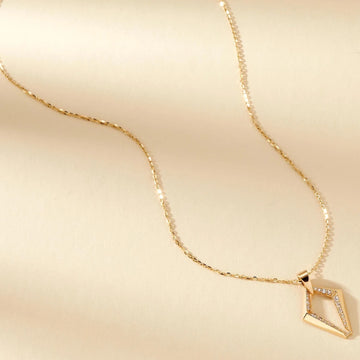 0.38 TCW Round Cut Lab Grown Diamond Gold Geometric Pendant Necklace Gift for Her
From $ 435.60
Shop Now
-
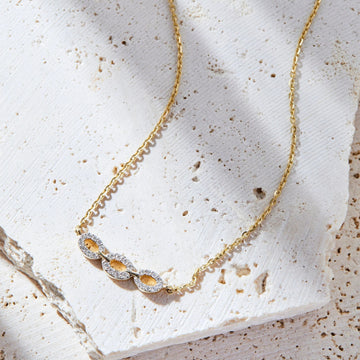 0.44 TCW Round Lab Grown Diamond Gold Necklace, Minimalist Halo Station Pendant, Dainty Anniversary Gift Jewelry
From $ 438.00
Shop Now
-
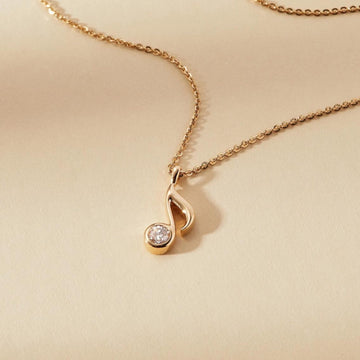 0.30 CT Musical Note Pendant Necklace Round Lab Grown Diamond
From $ 397.20
Shop Now
-
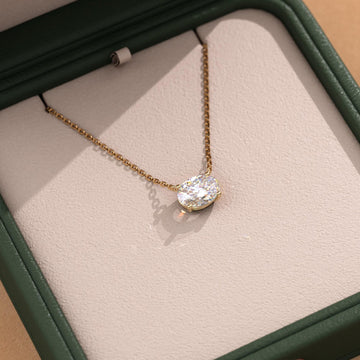 1.00 CT Oval Lab Grown Diamond Gold Necklace, Solitaire Pendant Dainty Gift for Her
From $ 733.20
Shop Now
-
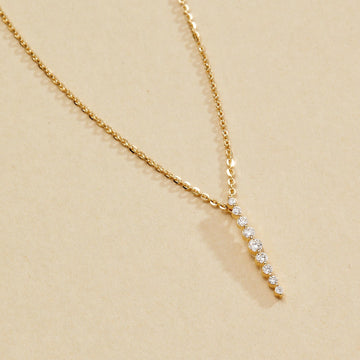 0.20 TCW Round Lab Grown Diamond Gold Necklace, Dainty Vertical Pendant Jewelry Gift
From $ 322.80
Shop Now
-
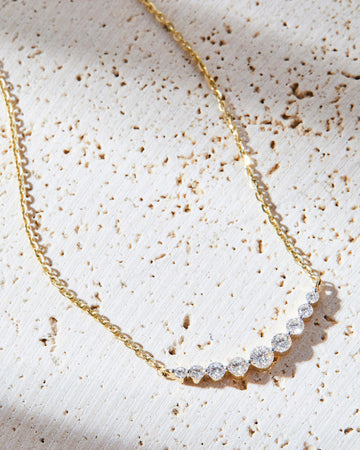 0.50 TCW Round Cut Lab Diamond Gold Necklace, Dainty Pendant Jewelry Gift
From $ 480.00
Shop Now
-
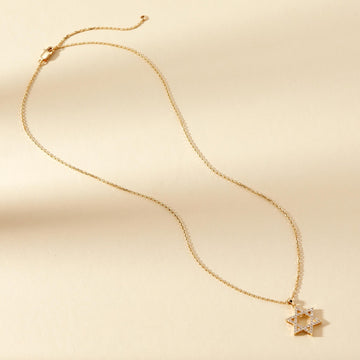 1.53 CT Solid Gold Star of David Necklace Lab Grown Diamond Pendant
From $ 1,000.80
Shop Now
-
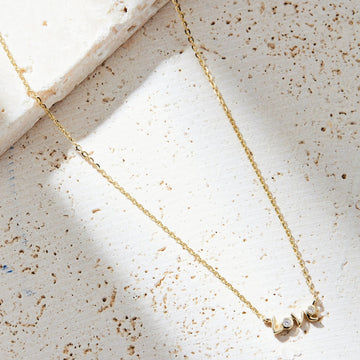 0.15 TCW Gold Love Lab Grown Diamond Necklace, Minimalist Dainty Pendant Chain Jewelry Gift for Her
From $ 312.00
Shop Now
-
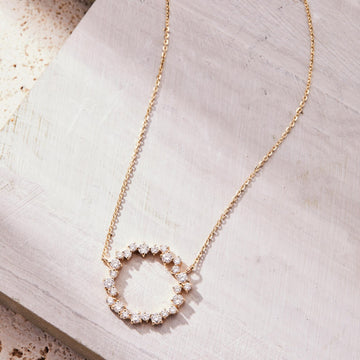 0.50 TCW Round Cut Moissanite Diamond Circle Pendant Necklace Gold Jewelry
From $ 290.40
Shop Now
-
0.50 TCW Round Cut Lab Grown Diamond Circle Pendant Necklace Gold Jewelry
From $ 519.60
Shop Now
-
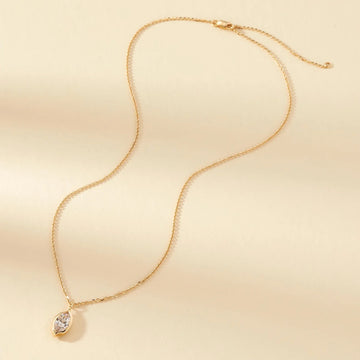 1.50 CT Marquise Cut Lab Grown Diamond Necklace, Gold Solitaire Pendant Jewelry
From $ 1,012.80
Shop Now
-
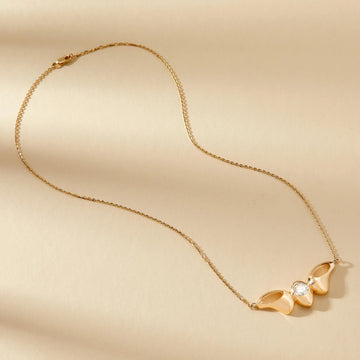 1.50 CT Round Cut Lab Grown Diamond Necklace, Gold Modern Pendant Jewelry
From $ 1,027.20
Shop Now
