
Wedding Bands
How to Stack Rings: Engagement Ring and Wedding Band Stacking Guide

A single engagement ring is beautiful. A thoughtfully built ring stack tells a whole story: the proposal, the wedding day, the anniversaries and the milestones in between. Stacking has become one of the most requested bridal looks, and moissanite and lab grown diamonds make it easier than ever to build a stack that sparkles without stretching your budget. This guide walks you through how to plan a ring stack that looks intentional, sits comfortably and wears well for years.
What Is a Ring Stack?
A ring stack is two or more rings worn together on the same finger, usually the ring finger. The classic bridal stack is an engagement ring paired with a wedding band, but many people add a third or fourth ring over time: an eternity band for a first anniversary, a slim band for the birth of a child, or a contour band that frames the center stone.
The goal is not to pile on as many rings as possible. A good stack has balance. Each ring should have a role, and together they should look like they belong to one design.

Start With Your Engagement Ring
Your engagement ring is the anchor of the stack, so its shape and setting decide what will sit beside it.
Low-set vs high-set center stones
A center stone on a low basket or bezel lets a straight band sit flush against it. A high-set stone, or one with a cathedral setting, usually leaves a small gap under the head, which some people love and others prefer to fill with a curved band.
Halo and hidden halo details
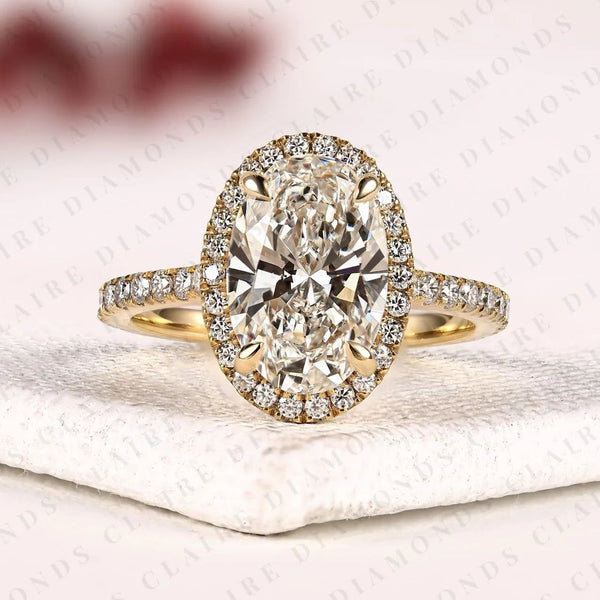
A full halo widens the profile of the ring at the top. Straight bands still work, but a band with a gentle dip often sits closer. A hidden halo sits under the stone and rarely interferes with a flush fit.
Elongated shapes
Oval, pear, marquise and elongated cushion stones look especially graceful with slim, pavé or eternity bands that echo their length. If you are still choosing a center stone, browse our moissanite engagement rings with the stack you want in mind.
Choosing Bands That Fit the Stack
Straight eternity and half eternity bands
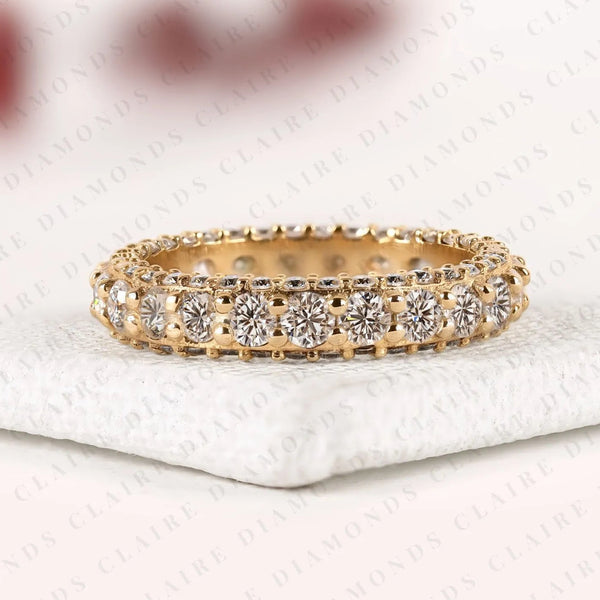
A straight band set with stones all the way around (full eternity) or across the top (half eternity) is the most popular stacking partner. It adds sparkle along the whole finger and works with solitaires, three stone rings and hidden halos. Explore our moissanite eternity bands for classic pairings.
Curved and contour bands
Curved bands bend around the center stone so the two rings sit tight together with no gap. They are ideal for low-profile halos, large ovals and pear shapes, or when the engagement ring setting would otherwise push a straight band away. See our lab grown diamond curved bands for shapes designed to hug a center stone.
Plain metal bands
A polished or milgrain metal band gives the eye a resting place. If your engagement ring is busy with pavé and a halo, one plain band between sparkling rings keeps the stack from looking crowded.
How Many Rings Should You Stack?
Most people are comfortable with two or three rings on one finger. A useful rule is that the total width of the stack should not be much more than the width of your knuckle feels comfortable bending against. Thin bands of 1.5 to 2 mm let you add more rings without the stack feeling bulky.
- Two rings: engagement ring plus a matching wedding band. Timeless and easy to wear daily.
- Three rings: a band on each side of the engagement ring, often called a "sandwich" or "guard" stack. It protects the center ring and looks balanced.
- Four or more: best with very slim bands, and often split across two fingers for comfort.

Mixing Metals and Stones
Matching metals look cohesive and classic. Mixing yellow, white and rose gold can look modern and relaxed, especially when one metal repeats at least twice in the stack. If you mix, keep the stone style consistent, such as all round brilliant accents, so the stack still reads as a set.
You can also mix stone types. Many customers pair a moissanite center stone with lab grown diamond bands, or the other way around. Both are durable enough for everyday wear and sit comfortably together. Keep in mind that moissanite shows more rainbow fire, while diamonds show more white sparkle, so place them where you enjoy each effect.
Practical Tips for a Comfortable Stack
- Size your stack together. Several bands on one finger can feel tighter than a single ring. Many people go up a quarter size for a three-ring stack.
- Match band widths. Bands of similar width look tidy. A wider band works best on the outside of the stack.
- Think about rubbing. Stones set against stones can wear on each other over time. A plain metal band or a slightly raised setting reduces friction.
- Consider soldering. A jeweler can solder rings together so they never twist or rub. It is a permanent change, so wait until you are sure about the combination.
- Plan for the future. Leave room in your design for an anniversary band or a push present ring later.


Stacks for Different Styles
Minimalist
A round or oval solitaire with one slim polished band. Clean, timeless and perfect for everyday wear.
Glamorous
A halo engagement ring framed by two pavé eternity bands. Maximum sparkle from every angle.
Vintage
An antique-cut center stone with milgrain or scalloped bands that echo old-world detailing.
Modern and mixed
A toi et moi or east-west ring with a contour band and a mixed-metal plain band. If you like a coordinated starting point, our moissanite bridal ring sets are designed to fit together from day one.
Caring for a Ring Stack
Stacks collect lotion, soap and dust between the rings. Soak them in warm water with a drop of mild dish soap, then brush gently with a soft toothbrush around each setting. Check prongs every few months, since rings that touch can loosen settings over time. Store stacked rings in a lined box so stones do not scratch neighboring bands.
Frequently Asked Questions
Which ring goes on first, the wedding band or the engagement ring?
Traditionally the wedding band goes on first so it sits closest to the heart, with the engagement ring on top. Many people wear it the other way for comfort or looks, and there is no wrong answer.
Can I stack a moissanite ring with a lab grown diamond band?
Yes. Both stones are very hard and suitable for daily wear. The main visual difference is that moissanite shows more colorful fire, which many people enjoy in a mixed stack.
Do I need a curved band for my engagement ring?
Only if a straight band leaves a gap you do not like, or if your center stone or halo sits low. Try a straight band first, and choose a curved band if you want the rings to sit completely flush.
Should my ring stack be the same metal?
Matching metals look classic, but mixing is popular. Repeat each metal at least twice or keep a consistent stone style so the stack feels intentional.
Will stacked rings damage each other?
Over many years, stones and metal rubbing together can cause wear. A plain band between stone-set rings, regular prong checks, or soldering the rings together all help prevent damage.
A ring stack is a personal collection that can grow with your story. Start with a center ring you love, add a band that fits it well, and leave room for the milestones still to come.
Shop the Look
-
 2.10 TCW Round Lab Grown Diamond Band with Blue Sapphire Accents Unique Gold Eternity Wedding Ring Vintage Inspired Stackable Band for Women
From $ 1,385.00
Shop Now
-
 2.76 TCW Mixed Shape Lab Grown Diamond Eternity Band | Emerald Cut, Marquise & Round Diamond Floral Band | Yellow Gold Full Eternity Wedding Band
From $ 1,737.00
Shop Now
-
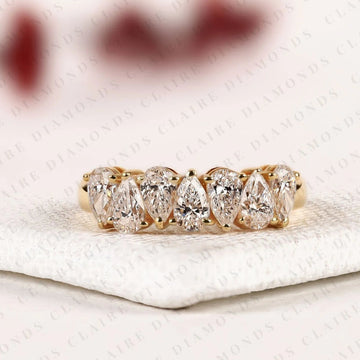 1.75 TCW Pear Cut Lab Grown Diamond Band in Gold Elegant Pear Shape Eternity Wedding Band for Women
From $ 1,163.00
Shop Now
-
 1.45 TCW Round, Emerald & Pear Cut Lab Grown Diamond Half Eternity Wedding Band | Mixed Shape Diamond Statement Ring | Modern Yellow Gold Bridal Jewelry
From $ 994.00
Shop Now
-
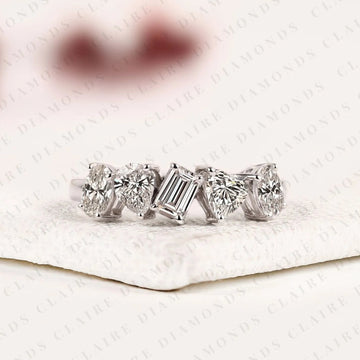 1.60 TCW Mixed Cut Band Emerald & Pear & Oval & Heart Lab Grown Diamond Half Eternity Wedding Band Unique Stackable Band
From $ 1,089.00
Shop Now
-
 2.24 TCW Emerald Cut Lab Grown Diamond Half Eternity Wedding Band | Channel Set Emerald Cut Diamond | Modern Full Eternity Bridal Band | Elegant Anniversary Jewelry
From $ 1,441.00
Shop Now
-
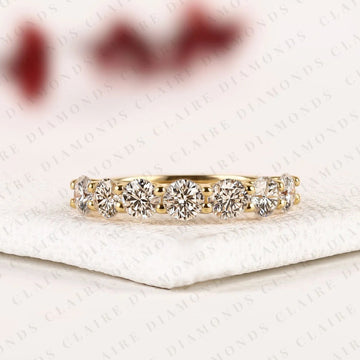 1.56 TCW Round Cut Lab Grown Diamond Half Eternity Band Classic Sparkling Multi-Stone Stackable Anniversary Band for Women
From $ 1,043.00
Shop Now
-
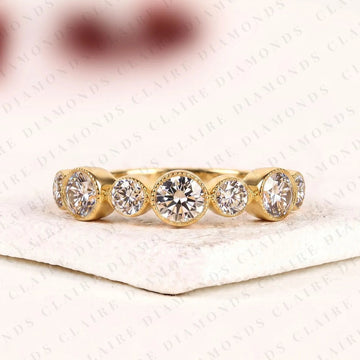 1.15 TCW Round Cut Lab Grown Diamond Bezel Band Vintage Inspired Gold Diamond Wedding Ring Elegant Half Eternity Band for Women
From $ 832.00
Shop Now
-
 1.20 TCW Princess Cut Lab Grown Diamond Half Eternity Wedding Band | Channel Set Square Diamond Yellow Gold Wedding Ring | Modern Eternity Anniversary Band | Timeless Bridal Jewelry
From $ 873.00
Shop Now
-
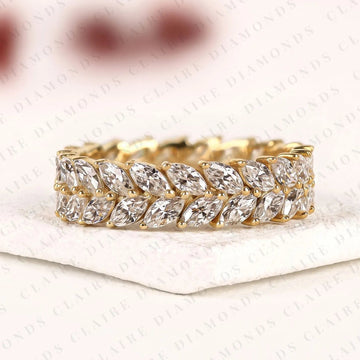 Marquise Cut Lab Grown Diamond Eternity Band Double Row Marquise Diamond Wedding Ring Luxury Stackable Band
From $ 1,997.00
Shop Now
-
 2.10 TCW Heart Cut Lab Grown Diamond Eternity Band Romantic Wedding Unique Stackable Bridal Band Elegant Fine Jewelry
From $ 1,360.00
Shop Now
-
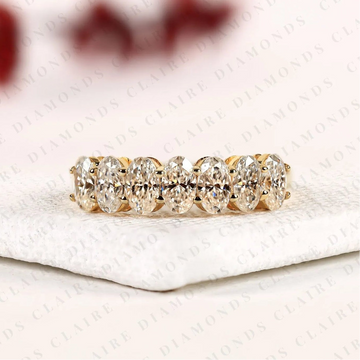 1.61 TCW Oval Cut Lab Grown Diamond Band Half Eternity Wedding Elegant Stackable Bridal Band For Her
From $ 1,090.00
Shop Now
-
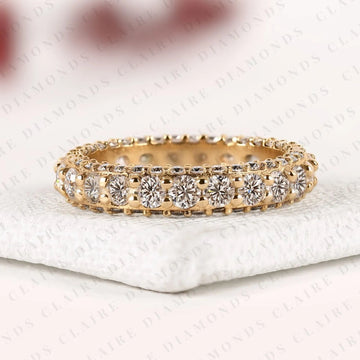 2.85 TCW Round Cut Lab Grown Diamond Eternity Band Gold Wedding Ring Inspired Stackable Bridal Band
From $ 1,800.00
Shop Now
-
 0.67 TCW Round Lab Grown Diamond Band Gold Scroll Design Wedding Band Intricate Diamond Anniversary Band
From $ 594.00
Shop Now
-
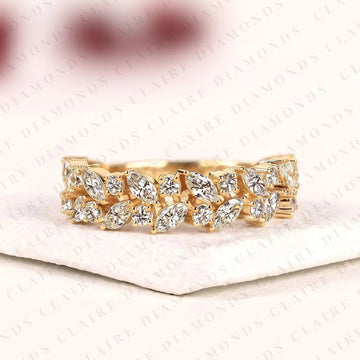 1.50 TCW Marquise & Round Cut Lab Grown Diamond Nature Inspired Gold Band Ring Half Eternity Wedding Band
From $ 1,029.00
Shop Now


