
Education
How to Insure an Engagement Ring: Appraisals, Coverage and Lab Diamonds

An engagement ring is one of the few things you will wear every single day for decades. It travels to the gym, the office, the beach and the kitchen sink. That daily life is exactly why so many couples ask the same question soon after the proposal: should we insure the ring, and how? This guide walks you through appraisals, coverage types, what lab grown diamonds and moissanite change, and the simple habits that keep your ring protected long after the policy paperwork is filed.
Why Insure an Engagement Ring at All?
Rings are small, valuable and surprisingly easy to lose. A loose prong can release a center stone without you noticing. A ring set on a restaurant sink can disappear in seconds. Travel, moving house and home break-ins add more risk.
Insurance turns a painful loss into a replacement. It does not make the moment of losing a ring any less upsetting, but it removes the financial sting and lets you replace the piece with something of like kind and quality.
Even if your ring was a thoughtful value choice, such as a moissanite engagement ring, the cost of a quality setting in 14K or 18K gold plus the stone is often worth protecting.
Step One: Get a Proper Appraisal
Insurers base coverage on a documented value. That document is usually an insurance appraisal, sometimes called a replacement-value appraisal.
What a good appraisal includes
- A full description of the center stone: shape, measurements, carat weight, color and clarity.
- Details of side stones, including count and approximate total carat weight.
- Metal type and karat (for example, 14K yellow gold or platinum) and the ring's total weight.
- Photos of the ring from several angles.
- A stated replacement value based on current retail pricing.
Where your grading report fits
If your lab grown diamond came with an IGI or GIA report, keep it with the appraisal. The report verifies the stone's identity and grade; the appraisal assigns a dollar value to the complete ring. Insurers often want both. Your purchase receipt is also useful supporting evidence.
How often to update it
Jewelry prices move. Lab grown diamond prices in particular have shifted considerably in recent years. A good rule is to review your appraisal every two to three years so you are neither underinsured nor paying premiums on a value that is too high.
Your Main Coverage Options
1. Homeowners or renters insurance
Many standard home and renters policies cover jewelry, but usually with a low sub-limit for theft, often in the low thousands of dollars, and they may not cover simple loss at all. Ask your agent what the jewelry limit is and whether "mysterious disappearance" is included.
2. A scheduled personal property rider
A rider, also called a floater or endorsement, lists the ring specifically on your home or renters policy at its appraised value. This typically broadens coverage to include accidental loss and damage, and many riders carry low or no deductible. For most couples this is the simplest route.
3. Standalone jewelry insurance
Specialist jewelry insurers write policies for jewelry only. They often cover loss, theft, damage and travel worldwide, and may let you choose your own jeweler for repairs or replacement. This is a good fit if you rent, move often, or prefer to keep jewelry separate from your home claims history.
Questions to Ask Before You Buy a Policy
- Is loss covered, or only theft? Losing a stone from its setting is one of the most common claims.
- Replacement or cash? Some policies replace the ring through their own vendors; others pay cash or let you choose your jeweler.
- Is there a deductible? Scheduled items often have none.
- Does coverage travel with you? Important if you will wear the ring on a honeymoon abroad.
- Are repairs and prong wear covered? Usually wear and tear is excluded, which is why maintenance matters.
Does Insurance Work Differently for Lab Grown Diamonds and Moissanite?
In most cases, no. Insurers cover lab grown diamonds and moissanite just as they cover mined diamonds and other gemstones. The key differences are in how the ring is described and valued:
- Accurate identification. Your appraisal should state clearly that the stone is laboratory grown diamond or moissanite. This protects you at claim time and ensures any replacement matches what you had.
- Replacement value, not original price. Because lab grown diamond prices change, the replacement cost may differ from what you paid. Updating your appraisal keeps coverage in step.
- Lower premiums. Premiums are usually calculated as a small percentage of the insured value each year, so a well-chosen lab grown diamond engagement ring generally costs less to insure than a mined diamond of similar size.
Don't Forget the Wedding Band
Once you marry, add your wedding band to the same rider or policy. If you purchased a matched bridal ring set, you can often list both pieces together with one appraisal. Eternity bands with many small stones deserve special attention, as a lost side stone is a common, and usually covered, repair.
Prevention: The Best Insurance of All
Coverage is a safety net. Good habits keep you from needing it.
Check the prongs
Every few months, hold the ring near your ear and gently tap it. A faint rattle can mean a loose stone. Look for prongs that catch on fabric. Have a jeweler inspect and tighten prongs once a year.
Take it off at the right times
Remove your ring for heavy lifting, gardening, swimming in chlorinated pools or the ocean, and applying lotions. Cold water shrinks fingers, which makes rings slip off more easily.
Give it a home
Choose one dish by the sink and one lined box by the bed, and always use them. Most "lost" rings are simply set down in an unfamiliar spot.
Keep your records together
Store your appraisal, grading report, receipt and clear photos in one folder, with a digital copy in cloud storage. If you ever need to file a claim, you will have everything in minutes.
A Simple Checklist
- Get a written insurance appraisal with photos.
- Keep your IGI or GIA report and receipt with it.
- Choose a rider or standalone jewelry policy that covers loss.
- Add your wedding band after the ceremony.
- Have prongs checked yearly and update the appraisal every two to three years.
Frequently Asked Questions
How much does engagement ring insurance cost?
Annual premiums typically fall at around one to two percent of the ring's insured value, though this varies by insurer, location and deductible. Always request quotes for your own situation.
Can I insure a moissanite ring?
Yes. Moissanite rings can be insured through a rider or a jewelry policy. Make sure the appraisal identifies the stone as moissanite and values the setting accurately.
When should I insure the ring?
Ideally as soon as you buy it, even before the proposal. Many standalone jewelry insurers let the buyer insure the ring in their own name until after the engagement.
Do I need a grading report to insure a lab grown diamond?
Not always, but it helps. A report from IGI or GIA documents the stone's exact characteristics, which makes the appraisal and any future replacement more precise.
Does insurance cover a lost side stone?
Many scheduled riders and jewelry policies do cover lost stones, but some exclude damage from wear and tear. Read the terms and keep up with annual prong checks.
Protecting your ring is a small step that brings real peace of mind. Choose the piece you love, document it well, and let it be part of your story for years to come. Explore our lab grown wedding bands to complete the set when the big day arrives.
Shop the Look
-
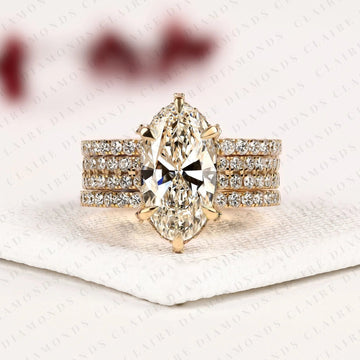 Oval Cut Lab Grown Diamond Hidden Halo Ring Multi Row Pave Gold Band Luxury Bridal Set Wedding Ring for Women
From $ 2,825.00
Shop Now
-
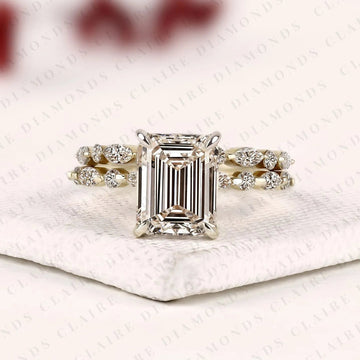 Emerald Cut Lab Grown Diamond Engagement Ring Bridal Set Ring with Pavé Diamond Band Modern Unique Bridal Jewelry
From $ 1,588.00
Shop Now
-
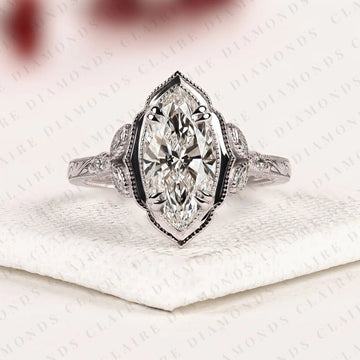 Marquise Cut Lab Grown Diamond Engagement Ring | Vintage Inspired Milgrain Bezel & Engraved White Gold Ring | Floral Diamond Accent Bridal Ring
From $ 1,407.00
Shop Now
-
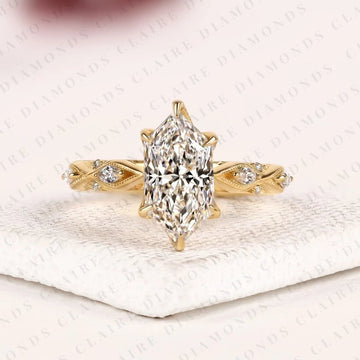 Dutch Marquise Cut Lab Grown Diamond Engagement Ring Leaf Vine Band Nature Inspired Unique Bridal Ring Luxury Wedding Jewelry
From $ 933.00
Shop Now
-
 Marquise Cut Lab Grown Diamond Engagement Ring | Floral Inspired Diamond Side Stone Ring | Yellow Gold Bridal Ring | Elegant Nature Inspired Wedding Jewelry
From $ 1,633.00
Shop Now
-
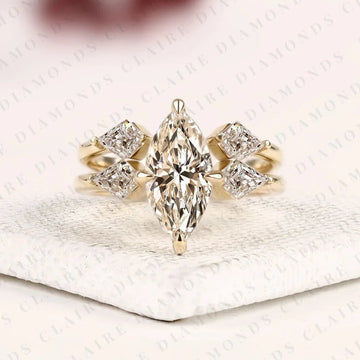 Marquise Cut Lab Grown Diamond Engagement Ring Bridal Set with Kite Cut Three Stone Ring Modern Unique Bridal Jewelry
From $ 1,588.00
Shop Now
-
 Oval Cut Lab Grown Diamond Engagement Ring | Floral Cluster Side Stone Ring | Yellow Gold Nature Inspired Bridal Jewelry | Elegant Statement Wedding Ring
From $ 1,492.00
Shop Now
-
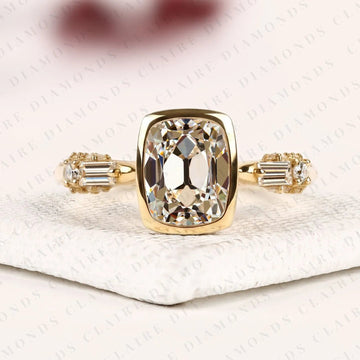 Old Mine Elongated Cushion Cut Lab Grown Diamond Engagement Ring Yellow Gold Bezel Ring with Baguette Side Stone Modern Luxury Bridal Jewelry
From $ 1,554.00
Shop Now
-
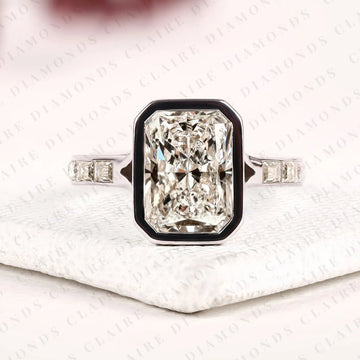 Radiant Cut Lab Grown Diamond Bezel Set Engagement Ring with Baguette Pave Set White Gold Modern Luxury Bridal Jewelry
From $ 1,505.00
Shop Now
-
 Radiant Cut Lab Grown Diamond Three Stone Engagement Ring | Pear Cut Side Stone Gold Ring | Beaded Bezel Statement Bridal Jewelry | Modern Luxury Wedding Ring
From $ 1,468.00
Shop Now
-
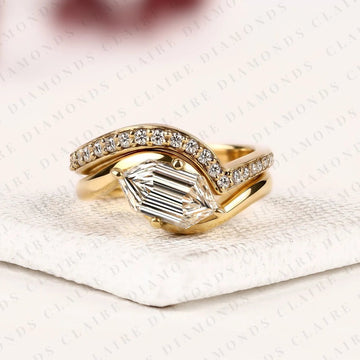 East-West Hexagon Cut Lab Grown Diamond Engagement Ring | Yellow Gold Bypass Pavé Band | Geometric Modern Bridal Ring Set | Unique Statement Jewelry
From $ 873.00
Shop Now
-
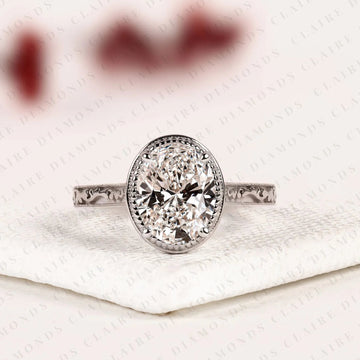 Oval Cut Lab Grown Diamond Engagement Ring Vintage Milgrain Bezel Setting White Gold Engraved Band Elegant Solitaire Bridal Jewelry
From $ 744.00
Shop Now
-
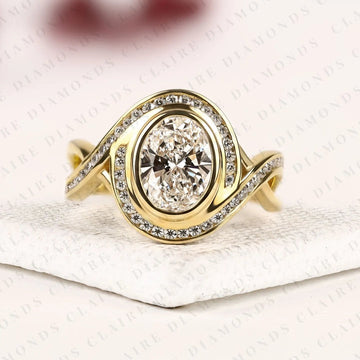 Oval Cut Lab Grown Diamond Engagement Ring | Pavé Bezel Halo Yellow Gold Bypass Ring | Twisted Split Shank Bridal Jewelry | Modern Statement Ring
From $ 939.00
Shop Now
-
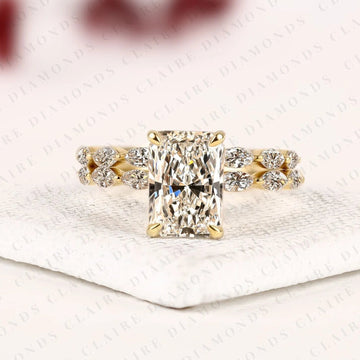 Radiant Cut Lab Grown Diamond Engagement Ring Set Yellow Gold Double Band with Pavé Side Stones Unique Luxury Bridal Ring Set
From $ 1,766.00
Shop Now
-
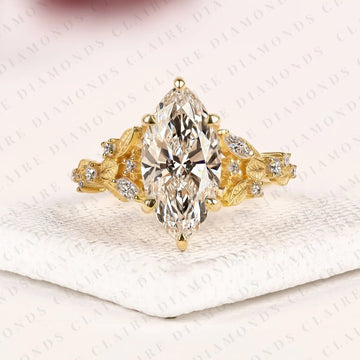 Marquise Cut Lab Grown Diamond Engagement Ring, Floral Leaf Vine Gold Ring, Nature Inspired Bridal Ring, Unique Vintage Wedding Jewelry
From $ 1,407.00
Shop Now


