
Moissanite Diamonds
Does Moissanite Pass a Diamond Tester? How Testers Work and What to Know

If you have ever handed a moissanite ring to a friend with a pocket diamond tester, you may have seen the little light jump all the way to "diamond." That surprises a lot of people. Moissanite is not a diamond, yet many basic testers cannot tell the two apart. Understanding why helps you shop with confidence, read results correctly, and know exactly what you own.
In this guide we explain how diamond testers work, why moissanite often passes a standard thermal test, which tools can actually separate moissanite from diamond, and what this means if you are choosing between a moissanite and a lab grown diamond engagement ring.
How Diamond Testers Work
Most handheld testers you will find at a jewelry counter or online use one of two methods: thermal conductivity or electrical conductivity. Better units combine both.
Thermal conductivity testers
Diamond moves heat away from a surface extremely quickly. A thermal tester has a heated metal tip; when you touch it to a stone, the device measures how fast heat is pulled away. Glass, cubic zirconia, white sapphire and most simulants move heat slowly, so they fail. Diamond moves heat fast, so it passes.
The catch is that moissanite (silicon carbide) is also an excellent thermal conductor. To a thermal-only tester, moissanite and diamond look nearly identical. That is why a moissanite stone will usually read as "diamond" on these basic pens.
Electrical conductivity testers
Here is where the two materials differ. Most diamonds are electrical insulators, while moissanite conducts a small amount of electricity. Testers marketed as "moissanite testers" or "multi-testers" send a tiny current through the stone. If current flows, the tester flags moissanite.
A combined tester runs the thermal check first, then the electrical check, which separates diamond, moissanite and simulants in a single touch.
So, Does Moissanite Pass a Diamond Tester?
The honest answer is: it depends on the tester.
- Thermal-only pen: moissanite will usually test as diamond.
- Dedicated moissanite tester: moissanite will be identified as moissanite.
- Multi-tester (thermal + electrical): moissanite will be identified as moissanite.
- Gemological lab equipment: moissanite is identified quickly and reliably.
So while moissanite can "pass" a basic diamond test, it does not fool a jeweler with the right equipment. And that is perfectly fine. Moissanite is its own beautiful gemstone, not an imitation, and at Claire Diamonds every moissanite engagement ring is sold and described as moissanite.
What About Lab Grown Diamonds?
Lab grown diamonds are chemically, physically and optically real diamonds. They are made of carbon in the same crystal structure as mined diamonds, so they pass thermal testers and multi-testers exactly as a natural diamond would.
Some lab grown diamonds, particularly certain HPHT-grown stones, can contain trace boron that makes them slightly electrically conductive. On rare occasions, a basic multi-tester may misread one of these as moissanite. This is a known limitation of handheld tools, not a sign that the diamond is fake. A grading report from IGI or GIA, plus a laser inscription on the girdle, is the real proof of what you have.
Telling lab grown from mined diamond requires advanced spectroscopy and is done by gem labs, not with a pocket tester.

Other Ways Jewelers Tell Moissanite From Diamond
Beyond testers, trained eyes look for a few visual clues.
Double refraction
Moissanite is doubly refractive. Under a 10x loupe, looking through the side of the stone, you may see facet edges appear doubled. Diamond is singly refractive, so its facet lines look crisp and single.
Fire and light return
Moissanite shows more dispersion, meaning it throws more rainbow-colored flashes, especially in sunlight. Diamond shows a balance of white brilliance and colored fire. Many people actually prefer the livelier rainbow sparkle of moissanite.
Weight and inclusions
Moissanite is a little lighter than diamond at the same size, and its inclusions tend to look like fine needles. A jeweler with a scale and microscope can use these clues alongside a tester.
Why This Matters When You Buy
Testing knowledge protects you in a few practical ways:
- Buying secondhand: if a seller says a stone is diamond because it "passed a tester," ask which type of tester. A thermal pen alone proves nothing about moissanite.
- Insurance and appraisals: your appraiser should list the stone correctly. Keep your certificate and receipt together.
- Peace of mind: knowing your stone's identity means no surprises if a friend or jeweler tests it later.
When you buy from Claire Diamonds, your stone type is stated clearly on every listing, whether you choose moissanite or a certified lab grown diamond.
Moissanite or Lab Grown Diamond: Which Should You Choose?
Both are durable, ethically produced and stunning in an engagement ring. The choice usually comes down to budget and the kind of sparkle you love.
- Choose moissanite if you want maximum size and fire for your budget. A 2 ct look costs a fraction of a diamond. Explore our moissanite solitaire rings for clean, classic styles.
- Choose a lab grown diamond if you want a real diamond, an official grading report, and the classic diamond balance of white and colored light.
Shape matters too. A round moissanite shows the most fire, while softer vintage cuts, like this old mine oval moissanite ring, give a warmer, candlelit glow.
Caring for Your Stone After Testing
Testing is harmless when done correctly, but a few habits keep your ring looking its best:
- Clean the stone before testing; oils and lotion can affect readings.
- Let the stone reach room temperature first; a warm stone straight off the finger can skew thermal results.
- Ask the jeweler to avoid touching metal prongs with the tester tip, which can cause false readings.
- Clean gently afterward with warm water, mild soap and a soft brush.
Frequently Asked Questions
Will moissanite pass a diamond tester pen?
On a basic thermal-only pen, yes, moissanite usually reads as diamond because both conduct heat very well. A multi-tester with an electrical check will identify it as moissanite.
Can a jeweler tell my ring is moissanite?
Yes. With a multi-tester, a loupe to spot double refraction, or lab equipment, a trained jeweler can identify moissanite quickly.
Do lab grown diamonds pass a diamond tester?
Yes. Lab grown diamonds are real diamonds and pass diamond testers. In rare cases, a boron-containing lab diamond may read as moissanite on a basic electrical tester, so always rely on the grading report.
Is it bad that moissanite fools some testers?
Not at all. It simply shows how close moissanite's heat behavior is to diamond. Moissanite is a genuine gemstone with its own value, and it should always be sold honestly as moissanite.
What is the most reliable way to confirm a stone?
An independent grading report from a respected lab, such as IGI or GIA, matched to a laser inscription on the stone.
Whether you love the fiery sparkle of moissanite or the classic glow of a lab grown diamond, knowing how testing works lets you buy with clarity. Browse the full Claire Diamonds moissanite collection to find a ring you will be proud to show off, tester or not.
Shop the Look
-
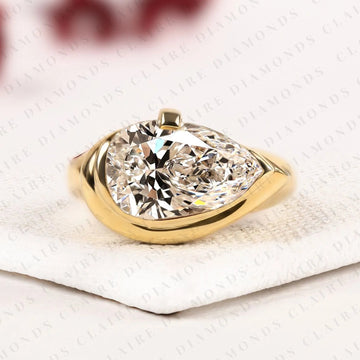 East West Pear Cut Moissanite Diamond Engagement Ring Bezel Set Gold Solitaire Wedding Ring Unique Anniversary Jewelry
From $ 285.00
Shop Now
-
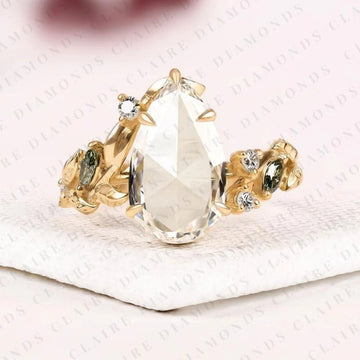 Pear Rose Cut Moissanite Diamond Engagement Ring Green Marquise Side Stones Botanical Leaf Vine Gold Vintage Wedding Ring
From $ 228.00
Shop Now
-
 5.04 TCW Round Bezel Set Moissanite Diamond Band Vintage Gold Eternity Wedding Band Elegant Anniversary Ring for Women
From $ 288.00
Shop Now
-
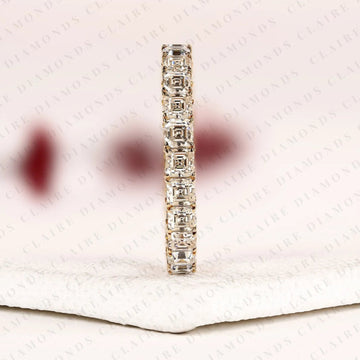 4.60 TCW Asscher Cut Moissanite Diamond Eternity Band | Full Eternity Wedding Ring | Geometric Gold Anniversary Band
From $ 286.00
Shop Now
-
 Emerald Cut Moissanite Diamond Eternity Band | Vintage-Inspired Geometric Gold Wedding Band | Eternity Anniversary Band
From $ 249.00
Shop Now
-
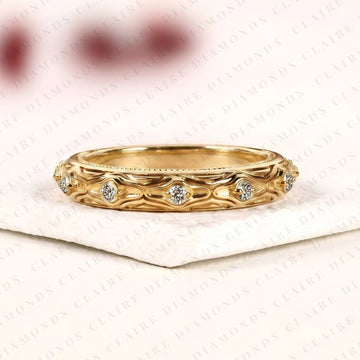 0.42 TCW Round Cut Moissanite Diamond Band Vintage Engraved Gold Wedding Elegant Diamond Anniversary Band for Women
From $ 200.00
Shop Now
-
 3.35 TCW Round Cut Moissanite Diamond Band Luxury Vintage Ornate Gold Band Multi Stone Wedding Band Elegant Anniversary Jewelry
From $ 260.00
Shop Now
-
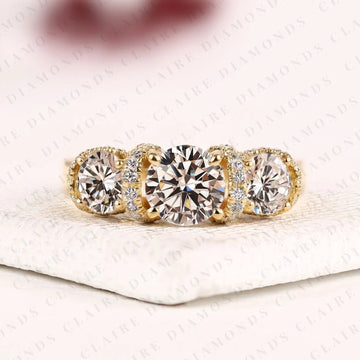 Round Cut Moissanite Diamond Engagement Ring Three Stone Gold Ring with Diamond Accents Luxury Wedding Ring for Women
From $ 239.00
Shop Now
-
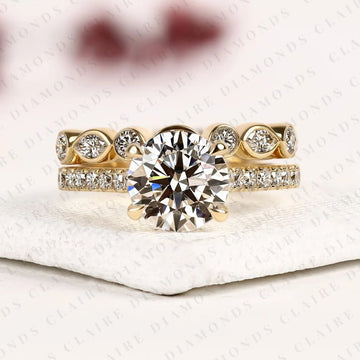 Round Cut Moissanite Diamond Engagement Ring Set | Yellow Gold Bezel Accent Wedding Band | Modern Two-Tone Bridal Ring Set
From $ 274.00
Shop Now
-
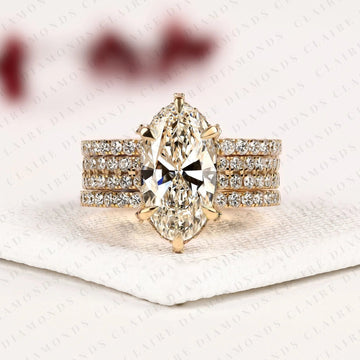 Oval Cut Moissanite Diamond Hidden Halo Ring Multi Row Pave Gold Band Luxury Bridal Set Wedding Ring for Women
From $ 348.00
Shop Now
-
 Oval Cut Moissanite Diamond Engagement Ring Set | Yellow Gold Pavé Wedding Band | Two-Tone Bridal Ring Set
From $ 270.00
Shop Now
-
 Round Cut Moissanite Diamond Eternity Wedding Band | Double Row Pave Diamond Wedding Ring | Yellow Gold Full Eternity Anniversary Band | Luxury Jewelry
From $ 311.00
Shop Now
-
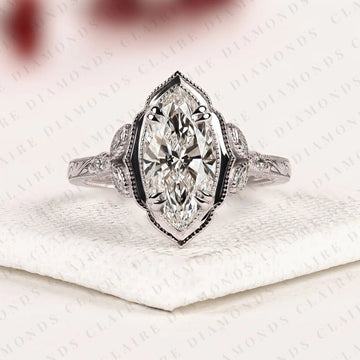 Marquise Cut Moissanite Diamond Engagement Ring | Vintage Inspired Milgrain Bezel & Engraved White Gold Ring | Floral Diamond Accent Bridal Ring
From $ 235.00
Shop Now
-
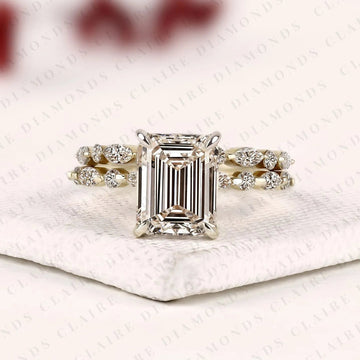 Emerald Cut Moissanite Diamond Engagement Ring Bridal Set Ring with Pavé Diamond Band Modern Unique Bridal Jewelry
From $ 270.00
Shop Now
-
 Dutch Marquise Cut Moissanite Diamond Engagement Ring Leaf Vine Band Nature Inspired Unique Bridal Ring Luxury Wedding Jewelry
From $ 215.00
Shop Now


