
Engagement Rings
Halo vs Solitaire Engagement Rings: Which Style Is Right for You?
Halo or solitaire? It is one of the first real decisions you make when shopping for an engagement ring, and it shapes everything that follows: how big the center stone looks, how much the ring sparkles, how it pairs with a wedding band and how much upkeep it needs. Both styles are classics, and both work beautifully with moissanite and lab grown diamonds. This guide walks through the differences so you can choose with confidence.
What Is a Solitaire Engagement Ring?
A solitaire is a single center stone on a plain or lightly detailed band. Nothing competes with the main stone, so the cut, shape and quality of that one gem carry the whole design. The look is clean, timeless and easy to wear every day.
Solitaires are usually held by four or six prongs, though bezel and cathedral settings are popular too. The band can be a simple polished shank, a slim knife-edge, or a delicate engraved band for a softly vintage feel. Browse our moissanite solitaire engagement rings to see how much variety one stone can offer.
What Is a Halo Engagement Ring?
A halo ring surrounds the center stone with a frame of small accent stones. That frame catches light from every angle and makes the center stone look noticeably larger, often by around half a carat in face-up appearance. Many halo rings also add pavé stones down the band for extra brilliance.
There are a few variations worth knowing:
- Classic halo: a visible ring of stones around the center, seen from the top.
- Double halo: two rows of accent stones for maximum sparkle and size.
- Hidden halo: accent stones set beneath the center stone, visible only from the side, so the ring looks like a solitaire from above.
See the full range in our moissanite halo engagement rings and lab grown diamond halo rings.
Halo vs Solitaire: Side-by-Side Comparison
Look and Style
A solitaire reads as minimal, elegant and understated. It suits people who love clean lines and want the stone itself to be the statement. A halo feels more glamorous and romantic, with a vintage or red-carpet energy depending on the shape. If you picture a ring that turns heads across a room, a halo usually delivers that.
Apparent Size
This is where halos shine. Because the frame of stones blends visually with the center, a 1 carat center in a halo can read closer to a 1.5 carat stone. If you want a bigger look on a set budget, a halo is one of the most effective tools. A solitaire shows the true size of the stone, which some buyers prefer for its honesty and simplicity.
Sparkle
Both styles sparkle, but differently. A well-cut solitaire gives crisp, bold flashes from one large stone. A halo adds many small points of light, so the overall effect is busier and more glittering. With moissanite, which already has strong fire, a halo can look especially vibrant.
Budget
A halo adds accent stones and more labor, so the setting itself tends to cost more than a plain solitaire band. However, because the halo makes the center look larger, you can sometimes choose a smaller center stone and still get the size you want. With moissanite and lab grown diamonds, both styles are far more accessible than with mined diamonds, which leaves room to choose the look you love rather than the one you can afford.
Maintenance and Durability
Solitaires are easier to care for. There are fewer small stones to check, fewer crevices for lotion and soap to collect, and resizing is usually simple. Halo rings need a little more attention: tiny accent stones can loosen over years of wear, and pavé bands can be harder to resize. A gentle clean every week or two and a professional check once a year keep a halo looking its best.
Pairing With a Wedding Band
Most straight wedding bands sit flush against a solitaire, especially one with a low or cathedral setting. A halo, being wider at the top, sometimes leaves a small gap or needs a curved or notched band. If a perfectly stacked bridal set matters to you, check how the band sits before you commit.
Which Shapes Work Best in Each Style?
Solitaire favorites: round brilliant, oval, emerald and elongated cushion cuts. Clean step cuts like emerald and Asscher look especially refined without a halo competing for attention.
Halo favorites: oval, pear, cushion and round. A halo softens the points of a pear, adds presence to a smaller oval and gives cushion cuts a romantic, vintage glow.
If you love both looks, a hidden halo is a beautiful middle ground. Our Double Claw Prong Pear Moissanite Engagement Ring with Hidden Halo reads as a solitaire from the top and reveals a ring of sparkle from the side.
How to Decide: Questions to Ask Yourself
- What is her everyday style? Minimal wardrobes and simple jewelry point to a solitaire. Love of glamour, detail and vintage pieces points to a halo.
- How active are her hands? Gym, gardening, healthcare or hands-on work may favor a lower-profile solitaire or bezel.
- Is size a priority? If a big look matters on a fixed budget, a halo stretches every carat.
- What does she already wear? Look at her current rings and earrings for clues. Clean studs suggest solitaire taste; cluster or framed pieces suggest halo.
- How will the band sit? Think about the wedding band now so the set works together later.
Moissanite or Lab Grown Diamond for Your Center Stone?
Both stones suit either style. Moissanite offers intense rainbow fire and excellent hardness at a lower price, making it a smart choice for larger solitaires. Lab grown diamonds offer the classic white sparkle and the same chemistry as mined diamonds, and many come with IGI certification. Compare options in our lab grown diamond solitaire rings.
Frequently Asked Questions
Does a halo make a diamond look bigger?
Yes. A halo frame visually extends the edge of the center stone, so it usually looks noticeably larger face-up than the same stone in a solitaire setting.
Are halo engagement rings going out of style?
Halos have been popular for well over a decade and remain a steady favorite. Hidden halos and slimmer frames have kept the style feeling fresh and modern.
Is a solitaire or halo more durable?
A solitaire is generally more durable and easier to maintain because it has fewer small stones and prongs. A well-made halo is still built for everyday wear but benefits from an annual prong check.
Can I add a halo to a solitaire later?
In some cases, yes. A jeweler can sometimes reset the center stone into a new halo mounting, or you can add a ring enhancer or jacket around a solitaire for a halo-style look.
Which is better for moissanite, halo or solitaire?
Both work well. Moissanite's strong fire looks bold in a solitaire and extra dazzling in a halo. Choose based on style and lifestyle rather than the stone.
The Bottom Line
Choose a solitaire if you love timeless simplicity, easy care and a perfectly flush wedding band. Choose a halo if you want maximum sparkle, a bigger look and a touch of glamour. Still torn? A hidden halo gives you a bit of both. Whatever you choose, a moissanite or lab grown diamond lets you put your budget toward the design you truly love.
Shop the Look
-
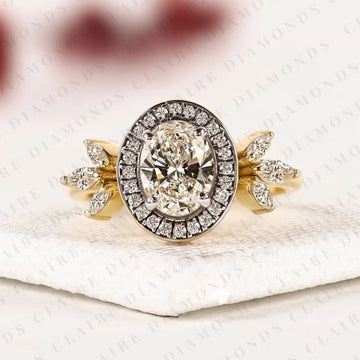 Oval Cut Lab Grown Diamond Halo Engagement Ring | Floral Leaf Halo Bridal Ring | Yellow Gold Nature Inspired Diamond Ring | Unique Luxury Engagement Jewelry
From $ 965.00
Shop Now
-
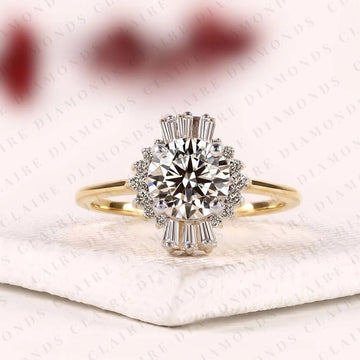 Round Cut Lab Grown Diamond Halo Engagement Ring Baguette Accent Vintage Inspired Bridal Ring Unique Luxury Jewelry
From $ 1,415.00
Shop Now
-
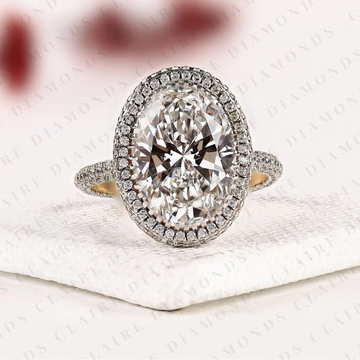 Enchanted Oval Cut Lab Grown Diamond Halo Engagement Ring | Botanical Vine Halo Gold Ring | Nature Inspired Vintage Bridal Jewelry
From $ 1,639.00
Shop Now
-
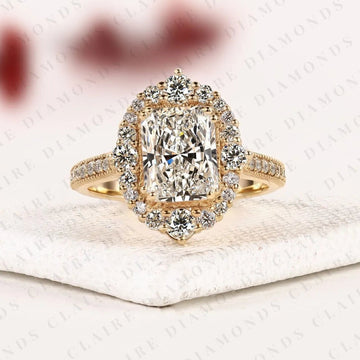 Radiant Cut Lab Grown Diamond Halo Engagement Ring Vintage Inspired Bridal Ring Elegant Wedding Jewelry
From $ 1,505.00
Shop Now
-
 Marquise Cut Lab Grown Diamond Engagement Ring Floral Halo with Baguette Accents Yellow Gold Vintage Inspired Bridal Ring
From $ 1,670.00
Shop Now
-
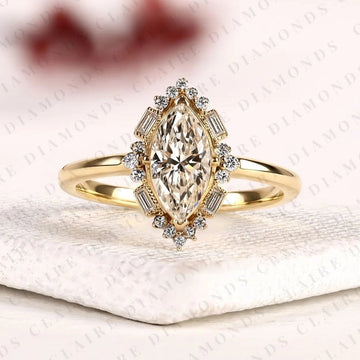 Marquise Cut Lab Grown Diamond Engagement Ring Floral Halo Gold Vintage Inspired Wedding Ring
From $ 1,612.00
Shop Now
-
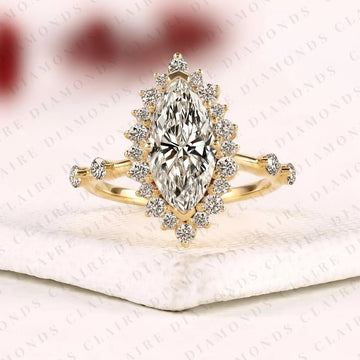 Marquise Cut Lab Grown Diamond Engagement Ring Floral Halo Ring Inspired Unique Statement Ring
From $ 1,502.00
Shop Now
-
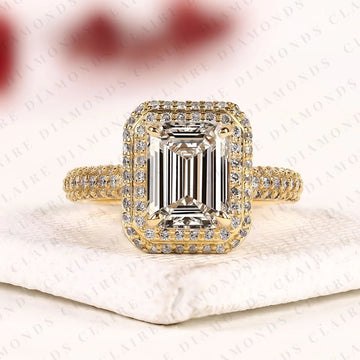 Emerald Cut Lab Grown Diamond Halo Engagement Ring, Double Pavé Halo Yellow Gold Bridal Ring, Luxury Statement Ring
From $ 1,510.00
Shop Now
-
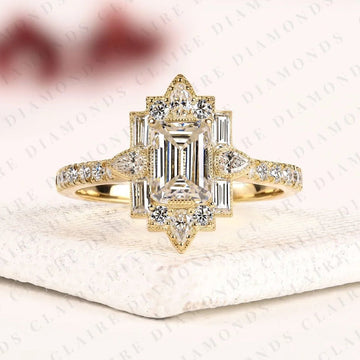 Emerald Cut Lab Grown Diamond Engagement Ring Milgrain Bezel Art Deco Vintage Inspired Baguette Halo Diamond Bridal Ring
From $ 1,622.00
Shop Now
-
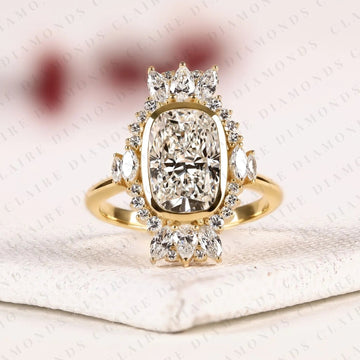 Elongated Cushion Cut Lab Grown Diamond Halo Engagement Ring, Yellow Gold Floral Halo Bridal Ring, Unique Diamond Ring
From $ 1,722.00
Shop Now
-
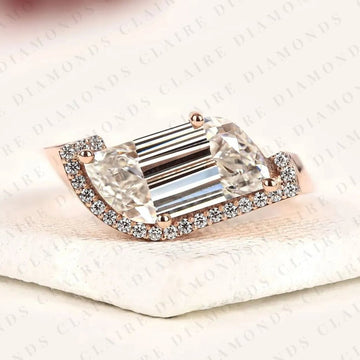 Modern Flame Cut Lab Grown Diamond Halo Engagement Ring with Exceptional Brilliance
From $ 1,985.00
Shop Now
-
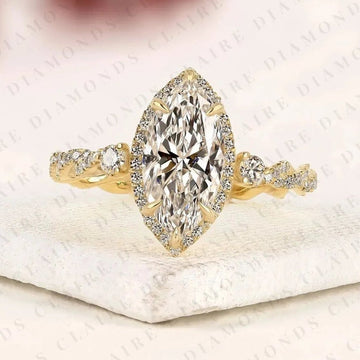 Marquise Cut Lab Grown Diamond Halo Engagement Ring Twisted Pavé Diamond Band Ring Vintage Inspired Bridal Ring for Women
From $ 1,523.00
Shop Now
-
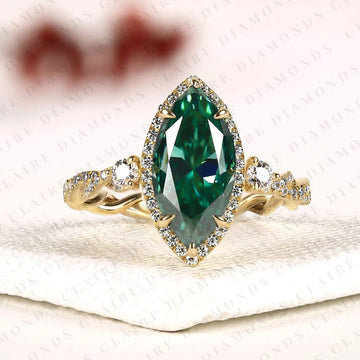 Marquise Cut Green Lab Grown Diamond Halo Engagement Ring | Twisted Vine Halo Yellow Gold Nature-Inspired Engagement Ring
From $ 1,524.00
Shop Now
-
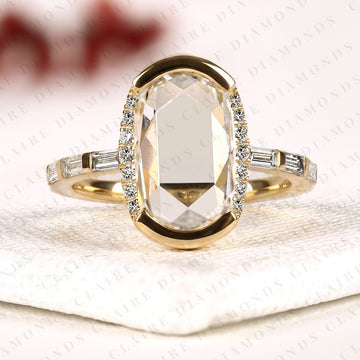 Elongated Cushion Rose Cut Lab Grown Diamond Bezel Ring with Baguette Side Stones | Hidden Halo Engagement Ring
From $ 1,471.00
Shop Now
-
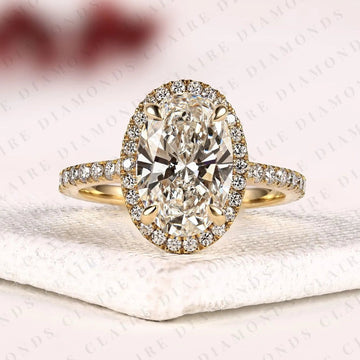 Oval Lab Grown Diamond Halo Ring, Pave Engagement Ring, Yellow Gold, Pave Band, Oval Wedding Ring
From $ 1,489.00
Shop Now

