
Engagement Rings
Sterling Silver vs White Gold Engagement Rings: Which Should You Choose?
Sterling silver and white gold look almost identical in a jewelry case: both are cool, bright and modern, and both make a moissanite or lab grown diamond look icy and crisp. On a finger, over months and years, they behave very differently. This guide compares the two metals on durability, tarnish, skin sensitivity, maintenance and long-term value so you can choose an engagement ring metal that fits your life, not just your first impression.
What Is Sterling Silver?
Sterling silver (often stamped 925) is an alloy of 92.5% pure silver and 7.5% other metals, usually copper. Pure silver is too soft for jewelry, so the copper adds strength. Sterling has a bright, slightly warm white sheen and is the most accessible precious metal for fine jewelry.
Many sterling silver rings are finished with a thin layer of rhodium, the same bright white plating used on white gold. That plating makes the ring look whiter and slows tarnish, but it wears away with time.
What Is White Gold?
White gold is real gold alloyed with white metals such as palladium, silver or nickel to lighten its natural yellow color. The karat tells you how much gold is inside:
- 10K white gold: about 41.7% gold, the hardest and most scratch-resistant option.
- 14K white gold: about 58.3% gold, the most popular balance of durability and richness.
- 18K white gold: 75% gold, softer and slightly warmer underneath the plating, with a more luxurious weight.
Almost all white gold is rhodium plated for a mirror-bright finish. Underneath, the alloy has a faint creamy tone that may show through when the plating thins.
Sterling Silver vs White Gold: Side-by-Side
1. Durability and Everyday Wear
An engagement ring is worn every day, through workouts, commutes, cooking and travel. Sterling silver is noticeably softer than gold alloys. It scratches and dents more easily, and thin prongs can bend over time, which matters when they are holding a valuable center stone.
White gold, especially 14K, is much more resilient. Prongs hold their shape, the band keeps its profile, and the ring is far better suited to decades of daily wear. If the ring will rarely come off your hand, white gold is the safer long-term choice.
2. Tarnish and Color Over Time
Silver reacts with sulfur in the air, in some cosmetics and in certain foods, forming a dark tarnish layer. Rhodium-plated silver resists this at first, but once the plating wears through at the bottom of the band, tarnish can appear. Regular polishing keeps it bright.
White gold does not tarnish. Over one to three years the rhodium plating can soften, revealing a slightly warmer tone, but a quick re-plating at a jeweler restores the bright white finish.
3. Skin Sensitivity
Sterling silver is generally well tolerated, though the copper content can occasionally leave a faint green mark on the skin in humid conditions. Some white gold alloys contain nickel, a common allergen. If you have sensitive skin, ask for nickel-free white gold or keep the rhodium plating fresh so the alloy does not touch your skin directly.
4. Maintenance
- Sterling silver: polish with a silver cloth, store in an airtight pouch, remove before swimming or using cleaning products, and check prongs regularly.
- White gold: clean with warm water, mild soap and a soft brush; schedule a prong check and rhodium refresh every year or two.
For more on gentle cleaning, see our guide to moissanite care and education.
5. Value and Longevity
Sterling silver lets you enjoy a beautiful moissanite or lab grown diamond design at the most approachable budget. White gold costs more because of its gold content, but it holds its intrinsic metal value and is built to be worn for a lifetime. Many couples see silver as an ideal starting point and white gold as the forever choice.
Which Metal Suits Your Lifestyle?
Choose sterling silver if...
- You want a stunning ring now while keeping your budget focused on the wedding, travel or a home.
- You plan to wear it as a placeholder, travel ring or promise ring and upgrade later.
- You enjoy rotating jewelry and do not wear one ring 24/7.
- You do not mind a little routine polishing.
Choose white gold if...
- The ring will be worn every day for decades.
- You have an active job or lifestyle that is hard on jewelry.
- You are setting a larger center stone that needs secure, durable prongs.
- You want a metal that matches a future wedding band and anniversary pieces.
How Each Metal Looks With Moissanite and Lab Grown Diamonds
Both metals are white, so they reflect color-free light into the stone and make colorless moissanite and lab grown diamonds look brighter and whiter. In a lab grown diamond solitaire, a white metal keeps the focus entirely on the center stone. Brilliant moissanite, with its strong fire, looks especially crisp against fresh rhodium.
Side by side, newly finished silver and white gold are nearly impossible to tell apart. The difference appears over time: white gold keeps its shape and luster with minimal effort, while silver needs more attention to stay perfect.
Matching Your Wedding Band
Whatever you choose, match your band to your engagement ring metal. Different metals rubbing together can wear the softer one faster, and slight color differences become more obvious when rings are stacked. Our moissanite bridal ring sets are designed to sit flush and come in matching metals, and you can browse moissanite wedding bands to pair with an existing ring.
Smart Buying Tips
- Check the stamp: look for 925 on silver and 10K, 14K or 18K on gold.
- Ask about plating: confirm whether the ring is rhodium plated and how to refresh it.
- Consider prong thickness: for silver especially, slightly sturdier prongs protect your stone.
- Think about upgrades: choose a design available in both metals so you can recreate it in gold later.
- Explore the full range: browse all moissanite engagement rings and choose your preferred metal on each design.
Frequently Asked Questions
Is sterling silver good for an engagement ring?
Yes, for many buyers. It is beautiful and affordable, but it is softer and can tarnish, so it needs more care than gold if worn every day. Inspect prongs regularly to keep the stone secure.
Does white gold turn yellow?
White gold does not change color itself, but as the rhodium plating wears, the alloy's natural warm tint can show. Re-plating restores the bright white look.
Can I tell silver and white gold apart by looking?
When both are freshly rhodium plated, rarely. Check the hallmark stamp inside the band: 925 for sterling silver and a karat mark for gold.
Is 10K or 14K white gold better than silver for daily wear?
Yes. Both are considerably harder and more scratch-resistant than sterling silver, and they do not tarnish, making them better for a ring you never take off.
Can I upgrade from silver to white gold later?
Absolutely. Many couples start in sterling silver and later recreate the same design in gold for an anniversary, moving or replacing the center stone.
The Bottom Line
Sterling silver offers a beautiful, budget-friendly way to wear the ring you love today, while white gold is the durable, low-maintenance metal built for a lifetime of daily wear. Choose based on how often you will wear the ring, how much care you are happy to give it, and whether you see it as your forever ring or the first chapter of your story.
Shop the Look
-
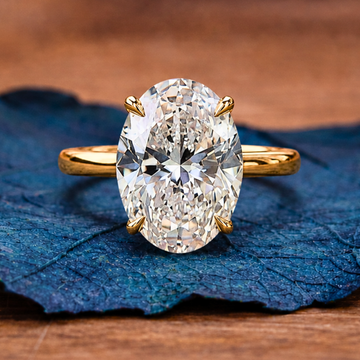 Oval Cut Lab Grown Engagement Ring Tulip Set Hidden Halo Ring Wedding Rings For Women Solitaire Ring Anniversary
From $ 1,257.60
Shop Now
-
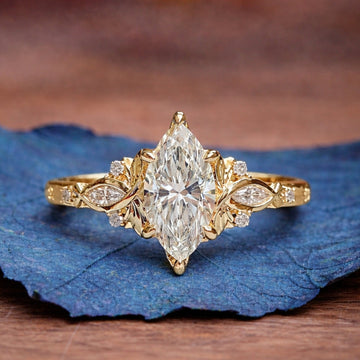 Cluster Marquise Lab Grown Engagement Ring Art Deco Gold Vintage Wedding Ring
From $ 784.80
Shop Now
-
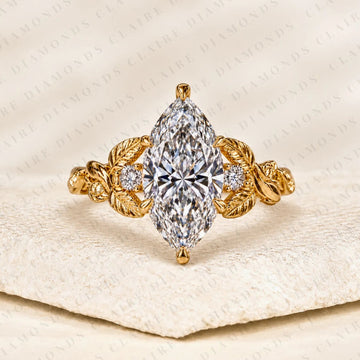 Marquise Cut Lab Grown Diamond Engagement Ring Nature Inspired Gold Vine Ring with Leaf Vintage Luxury Wedding Ring for Women
From $ 1,407.00
Shop Now
-
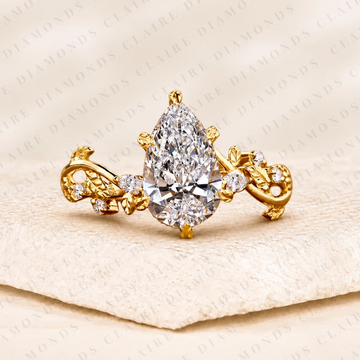 Pear Cut Lab Grown Diamond Engagement Ring Nature Inspired Gold Vine Ring Floral Vintage Wedding Ring Luxury Bridal Jewelry
From $ 1,370.00
Shop Now
-
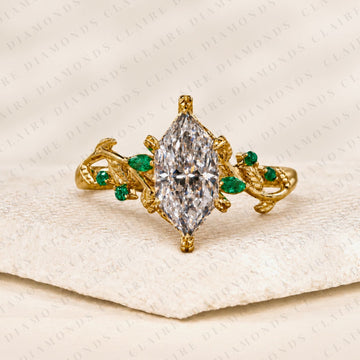 Dutch Marquise Cut Lab Grown Diamond Engagement Nature Inspired Ring Green Marquise Side Stones Vintage Bridal Jewelry
From $ 1,422.00
Shop Now
-
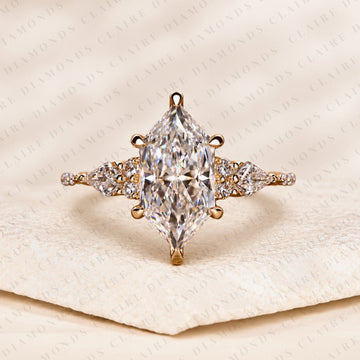 Dutch Marquise Cut Lab Grown Diamond Engagement Ring with Kite Cut Side Stones Luxury Wedding Ring for Women
From $ 1,473.00
Shop Now
-
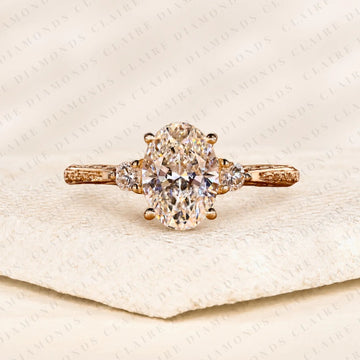 Oval Cut Lab Grown Diamond Ring Vintage Inspired Three Stone Engagement Ring with Side Diamonds Timeless Jewelry
From $ 1,458.00
Shop Now
-
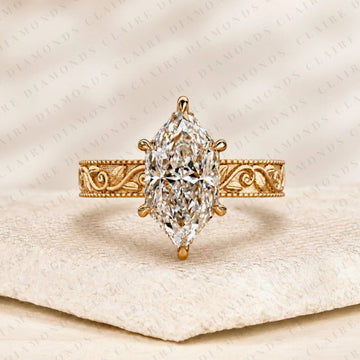 Dutch Marquise Cut Lab Grown Diamond Engagement Solitaire Ring Vintage Engraved Gold Band Filigree Wedding Ring Luxury Bridal Jewelry
From $ 1,317.00
Shop Now
-
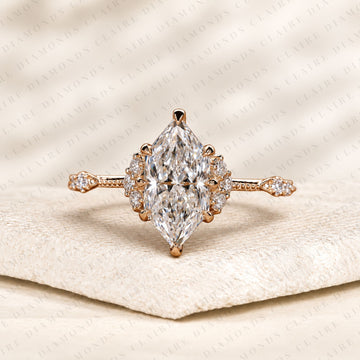 Dutch Marquise Cut Lab Grown Diamond Engagement Ring Rose Gold with Pavé Accents Vintage Inspired Luxury Wedding Ring for Women
From $ 1,373.00
Shop Now
-
 Oval Cut Moissanite Diamond Band Floral Pave Gold Engagement Ring Nature Inspired Wedding Elegant Luxury Jewelry for Women
From $ 248.00
Shop Now
-
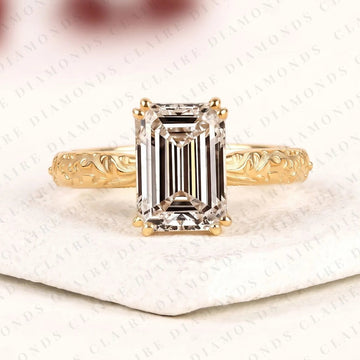 Emerald Cut Lab Grown Diamond Engagement Ring | Engraved Floral Gold Band with Pavé Accents | Vintage-Inspired Bridal Ring
From $ 1,397.00
Shop Now
-
Oval Cut Lab Grown Diamond Band Floral Pave Gold Engagement Ring Nature Inspired Wedding Elegant Luxury Jewelry for Women
From $ 1,402.00
Shop Now
-
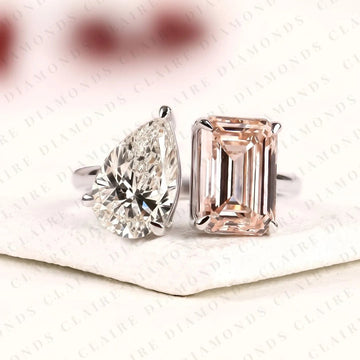 4.00 TCW Pear and Emerald Cut Toi et Moi Lab Grown Diamond Ring | Two-Stone Modern Gold Engagement Ring | Unique Luxury Bridal Jewelry
From $ 2,441.00
Shop Now
-
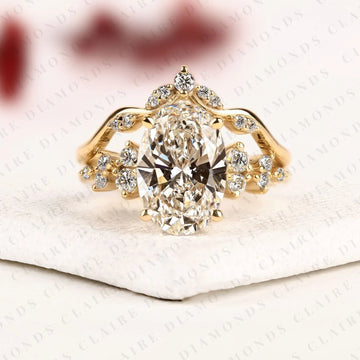 Oval Cut Lab Grown Diamond Engagement Ring Set Nature Inspired Wedding Ring with Floral Pave Accents Luxury Bridal Set Jewelry
From $ 1,422.00
Shop Now
-
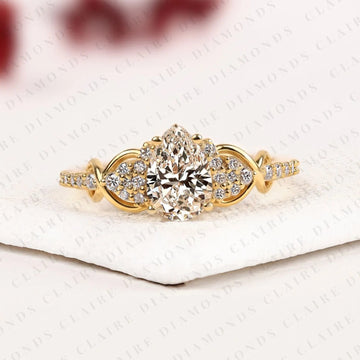 Pear Cut Lab Grown Diamond Engagement Ring Vintage Gold Halo Ring with Pave Side Stones Elegant Wedding Ring for Women
From $ 836.00
Shop Now

