
Moissanite Diamonds
Moissanite Color Grades Explained: D, E, F vs G, H and What to Choose

Moissanite is famous for its fire, but the first thing many shoppers notice on a product page is a color grade: D, E, F, G, H, or a "near-colorless" label. What do those letters actually mean for a moissanite ring, and how much should color drive your decision? This guide explains moissanite color grades in plain language, shows how metal and cut change what you see, and helps you choose a stone that looks bright and white on the hand.
What Does "Color" Mean in Moissanite?
Color describes how much body tint a stone shows when you look at it face-up and from the side. In a perfectly colorless stone, light passes through with no visible warmth. In a stone with more tint, you may see a faint yellow, gray, or green cast, especially in larger sizes or in soft indoor lighting.
Early moissanite, first sold in the late 1990s, often had a noticeable yellow-green tint. Modern production has improved dramatically, and today's premium moissanite is grown to be colorless or very close to it. That is why most quality moissanite engagement rings now sit in the D–F range.


The Moissanite Color Scale, Explained
There is no single independent lab that grades moissanite the way GIA or IGI grade diamonds. Most sellers borrow the familiar diamond color letters to describe moissanite. Here is how those grades are usually used:
Colorless (D, E, F)
These stones show no visible body color to the naked eye, even when viewed side by side on white paper. D–E–F moissanite looks icy and bright in platinum or white gold settings. This is the grade most people picture when they think of a "diamond-white" engagement ring.
Near-Colorless (G, H, I)
Near-colorless moissanite may show a faint warmth when you compare it directly against a colorless stone, or when you look through the side of a large stone. Face-up and on the hand, most people find G–H stones look white. These grades pair beautifully with yellow or rose gold, where the warm metal hides any hint of tint.
Faint Color (J and below)
Older-style or "classic" moissanite grades can show a visible yellow or green tint. Some buyers love this warmer, antique look, particularly in vintage-inspired designs, but it is no longer the standard for modern bridal jewelry.
Why Moissanite Color Behaves Differently From Diamond
Moissanite has a higher refractive index and much more dispersion than diamond. That means it throws more rainbow flashes, or fire. In bright sunlight, this colorful sparkle can sometimes be mistaken for body color. When you judge color, look at the stone in soft, even daylight against a white background instead of under spotlights.
Size also matters. Tint becomes easier to see as a stone gets larger, because light travels a longer path through it. A 1 carat equivalent near-colorless stone may look perfectly white, while a 3 carat equivalent in the same grade could show slight warmth from the side.
How Cut Shape Affects Visible Color
Brilliant cuts with many small facets, such as round, oval, cushion, pear and radiant, are excellent at masking color. Their constant sparkle pulls your eye away from body tint. Step cuts like emerald and Asscher have long, open facets that act like windows, so they reveal color more easily.
- Round, oval, pear, marquise: near-colorless (G–H) usually looks white face-up.
- Cushion and radiant: crushed-ice faceting hides tint well; G–H is often fine in warm metals.
- Emerald and Asscher: choose colorless (D–F) for the cleanest, most glass-like look.
- Elongated shapes: color can gather at the tips of pears and marquises, so colorless is the safer choice in larger sizes.

Matching Color Grade to Metal
Your setting metal is one of the biggest factors in how white a stone looks. Light reflects off the metal and up through the stone, so the metal's color tints what you see.
- Platinum and white gold: cool, bright metals that show any warmth in the stone. Choose D–F for a crisp, icy contrast.
- Yellow gold: warm metal that flatters near-colorless stones. Many people use a white gold or platinum head on a yellow gold band so a colorless stone stays bright.
- Rose gold: a romantic, blush tone that complements both colorless and near-colorless moissanite.
If you are planning a matching set, browse our moissanite bridal ring sets to see how stone color and metal tone work together across a ring and band.
Does Moissanite Change Color Over Time?
Quality moissanite is extremely stable. Its color does not fade, yellow, or turn cloudy with age. When a moissanite ring looks dull or slightly hazy, the cause is almost always a film of lotion, soap, or skin oil on the surface. A gentle soak in warm water with a drop of mild dish soap and a soft toothbrush will bring back its full brightness.


Is Colorless Always Worth It?
For most modern engagement rings set in white metal, colorless moissanite is the best choice. It delivers the bright, clean look most people want, and the price difference between colorless and near-colorless moissanite is far smaller than with diamonds. If you prefer warm metals or vintage styling, near-colorless can look gorgeous and slightly softer.
A simple rule of thumb:
- White metal + step cut or large stone: D–E
- White metal + brilliant cut under 2 ct: D–F
- Yellow or rose gold + brilliant cut: F–H
- Vintage, warm aesthetic: H and below can be a stylistic choice
How to Check Color Before You Buy
- Read the listing carefully. Look for a stated color grade and whether the stone is described as colorless or near-colorless.
- Look at real photos and video. Daylight photos are more honest than studio images under strong lights.
- Ask for a certificate or authenticity card. Many moissanite stones come with a card stating color and clarity.
- Compare against white. When the ring arrives, view it from the side on a sheet of white paper in natural light.
Explore our full range of best-selling moissanite jewelry, or see the latest designs in our new arrival moissanite collection. Pairing a ring with a band? Our moissanite wedding bands are made to complement colorless center stones.
FAQ: Moissanite Color Grades
What is the best color grade for moissanite?
D–F colorless is the most popular choice for engagement rings, especially in platinum or white gold. It looks bright white from every angle.
Can you tell the difference between D and G moissanite?
Side by side on a white surface, many people can see slight warmth in G. Once set and worn on the hand, the difference is much harder to notice, particularly in brilliant cuts and warm metals.
Does moissanite look yellow or green?
Older moissanite often did. Modern colorless moissanite does not show a visible yellow or green tint, though strong rainbow fire can create colorful flashes in bright light.
Will my moissanite get cloudy over time?
No. Moissanite's color and clarity are permanent. Any cloudy appearance comes from surface buildup and can be removed with regular gentle cleaning.
Is moissanite color graded like diamonds?
Sellers commonly use diamond-style letters (D, E, F, G, H) to describe moissanite color, but there is no single universal moissanite grading lab. Always look at real photos and the seller's stated grade.
Choosing the right color grade comes down to your metal, your cut and the look you love. Get those three working together and your moissanite ring will glow bright and white for a lifetime.
Shop the Look
-
 Green Oval Cut Moissanite Diamond Ring with Marquise Side Stones, Nature Inspired Gold Engagement Ring for Women
From $ 235.00
Shop Now
-
 Unique Dutch Marquise Moissanite Diamond Hidden Halo Engagement Ring | Yellow Gold Botanical Leaf Four-Prong Setting
From $ 232.00
Shop Now
-
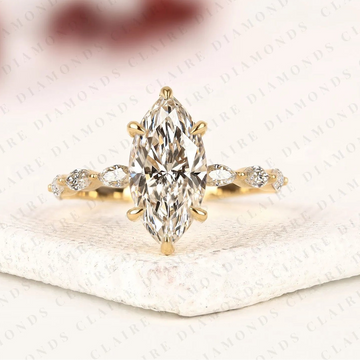 Marquise Cut Moissanite Diamond Engagement Ring Yellow Gold Side Stone Ring Anniversary Ring.
From $ 233.00
Shop Now
-
 Radiant Cut Hidden Halo Moissanite Diamonds Engagement Ring with Pavé Band – Luxurious Brilliance for Your Forever
From $ 227.00
Shop Now
-
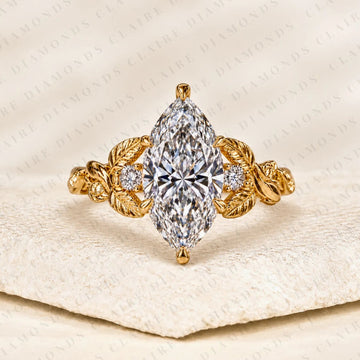 Marquise Cut Moissanite Diamond Engagement Ring Nature Inspired Gold Vine Ring with Leaf Vintage Luxury Wedding Ring for Women
From $ 235.00
Shop Now
-
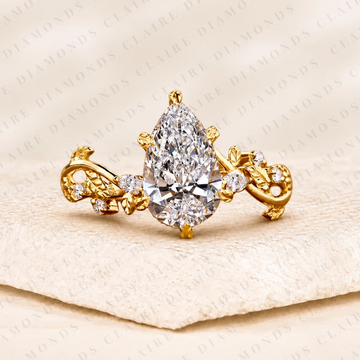 Pear Cut Moissanite Diamond Engagement Ring Nature Inspired Gold Vine Ring Floral Vintage Wedding Ring Luxury Bridal Jewelry
From $ 227.00
Shop Now
-
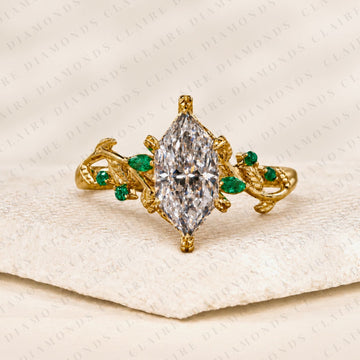 Dutch Marquise Cut Moissanite Diamond Engagement Nature Inspired Ring Green Marquise Side Stones Vintage Bridal Jewelry
From $ 227.00
Shop Now
-
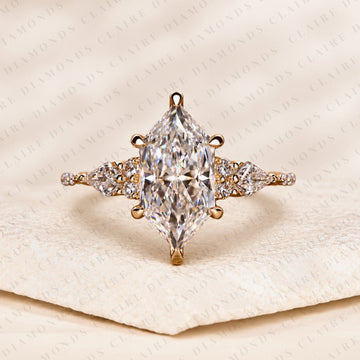 Dutch Marquise Cut Moissanite Diamond Engagement Ring with Kite Cut Side Stones Luxury Wedding Ring for Women
From $ 228.00
Shop Now
-
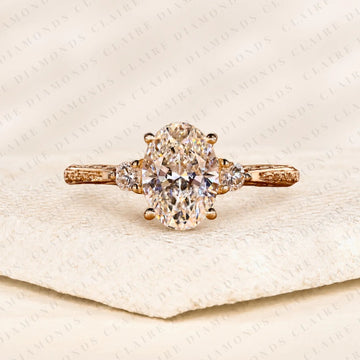 Oval Cut Moissanite Diamond Ring Vintage Inspired Three Stone Engagement Ring with Side Diamonds Timeless Jewelry
From $ 227.00
Shop Now
-
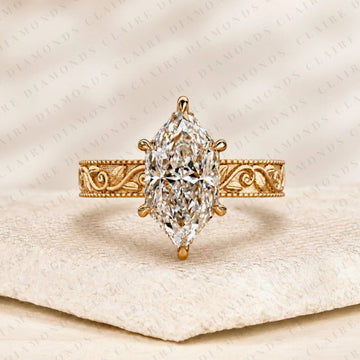 Dutch Marquise Cut Moissanite Diamond Engagement Solitaire Ring Vintage Engraved Gold Band Filigree Wedding Ring Luxury Bridal Jewelry
From $ 234.00
Shop Now
-
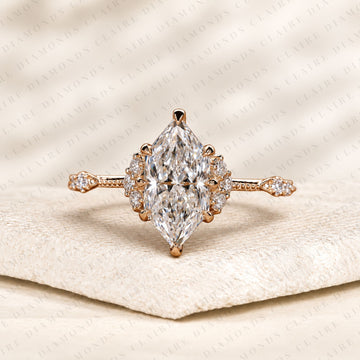 Dutch Marquise Cut Moissanite Diamond Engagement Ring Rose Gold with Pavé Accents Vintage Inspired Luxury Wedding Ring for Women
From $ 225.00
Shop Now
-
 2.10 TCW Round Moissanite Diamond Band with Blue Sapphire Accents Unique Gold Eternity Wedding Ring Vintage Inspired Stackable Band for Women
From $ 247.00
Shop Now
-
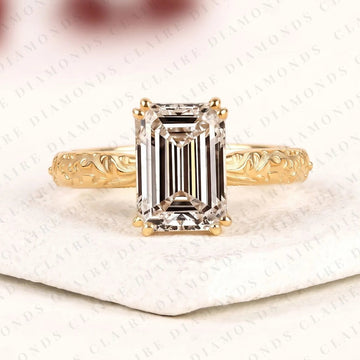 Emerald Cut Moissanite Diamond Engagement Ring | Engraved Floral Gold Band with Pavé Accents | Vintage-Inspired Bridal Ring
From $ 250.90
Shop Now
-
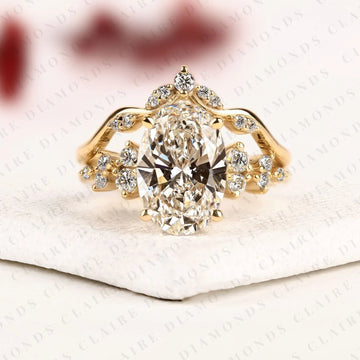 Oval Cut Moissanite Diamond Engagement Ring Set Nature Inspired Wedding Ring with Floral Pave Accents Luxury Bridal Set Jewelry
From $ 250.00
Shop Now
-
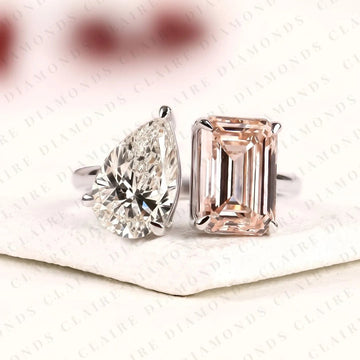 4.00 TCW Pear and Emerald Cut Toi et Moi Moissanite Diamond Ring | Two-Stone Modern Gold Engagement Ring | Unique Luxury Bridal Jewelry
From $ 273.00
Shop Now


