
Lab Grown Diamonds
CVD vs HPHT Lab Grown Diamonds: What's the Difference and Does It Matter?

When you start shopping for a lab grown diamond, two acronyms keep showing up on grading reports and product pages: CVD and HPHT. They describe the two ways a lab diamond is grown. Both make real diamonds, with the same carbon crystal structure, hardness and sparkle as a mined stone. But the processes are different, and buyers often wonder if one is better. This guide explains how each method works, what changes (and what does not) in the finished stone, and how to choose with confidence.
What Is a Lab Grown Diamond?
A lab grown diamond is pure crystallized carbon, the same material as a natural diamond. It scores 10 on the Mohs hardness scale and has the same refractive index, which is why it shows the same brilliance and fire. The only real difference from a mined diamond is origin: it is grown above ground over weeks instead of forming deep in the earth over millions of years.
Gemological labs such as IGI and GIA grade lab diamonds on the same 4Cs as natural stones. Many reports also note the growth method, which is where CVD and HPHT come in.
How HPHT Diamonds Are Made
HPHT stands for High Pressure, High Temperature. It recreates the conditions deep inside the earth where natural diamonds form.
- A small diamond "seed" is placed in a growth cell with a carbon source and a metal solvent (often iron, nickel or cobalt).
- Large presses apply pressure of roughly 5 to 6 GPa and heat of around 1,300 to 1,600 °C.
- The metal melts, dissolves the carbon and lets it crystallize onto the seed, building a new diamond.
HPHT crystals tend to grow in a cuboctahedral shape, with growth in several directions at once. The method has become very efficient and now produces many high-color, high-clarity stones.
How CVD Diamonds Are Made
CVD stands for Chemical Vapor Deposition. Instead of crushing pressure, it builds a diamond layer by layer from a gas.
- Thin diamond seed plates are placed in a vacuum chamber.
- A mix of gases, mainly methane and hydrogen, is heated into a plasma, often with microwaves.
- Carbon atoms separate from the gas and settle onto the seed plates, growing the crystal upward in flat layers.
CVD crystals grow in a tabular, cube-like shape. Many CVD stones receive a post-growth treatment (often a brief HPHT anneal) to improve color. Reputable reports disclose this, and it is a permanent, stable process.
CVD vs HPHT: Key Differences at a Glance
Color
Both methods can produce colorless D to F stones. HPHT diamonds may occasionally show a faint blue tint from trace boron, while untreated CVD stones can lean slightly brown before annealing. In a finished, well-graded stone, you will not see a difference by eye when the color grades match.
Clarity and Inclusions
The inclusions differ in type rather than in quantity. HPHT stones can contain tiny metallic flux inclusions from the solvent. CVD stones may show small dark pinpoints of non-diamond carbon or faint growth striations. At VS clarity and above, these are not visible without magnification.
Durability and Sparkle
There is no difference. Both are 10 on the Mohs scale, both are suitable for everyday wear and both deliver identical brilliance when cut to the same standard. Cut quality affects sparkle far more than growth method.
Price
Prices are set by the 4Cs, not by the method. A 2 carat, F color, VS1 stone with an excellent cut costs about the same whether it was grown by CVD or HPHT.

Does the Growth Method Matter When You Buy?
For most buyers, the honest answer is no. Gemologists can identify the method with advanced instruments, but you cannot see it in a ring on your hand. What matters far more is:
- Cut grade – the biggest driver of sparkle. Aim for Excellent or Ideal.
- Color and clarity – choose an eye-clean stone (often VS2 or better) and a color that suits your metal.
- Certification – an IGI or GIA report confirms the stone is a lab grown diamond and records its grades.
- Setting quality – secure prongs or a bezel protect the stone for decades of wear.
If you prefer an untreated stone, look for a report that states "as grown". Otherwise, treat CVD and HPHT as equally good paths to the same beautiful result.
Choosing Your Lab Grown Diamond Ring
Once you know the growth method is not a deal breaker, you can focus on style. A classic solitaire lets one stone take center stage, and you can explore options in our lab grown diamond solitaire rings. If you love vintage detail, browse our vintage style lab grown rings with milgrain and engraving. For the full range of shapes and settings, see all lab grown diamond engagement rings, or start with a favorite like the old mine oval lab grown solitaire.
Caring for a CVD or HPHT Diamond
Care is identical for both. Soak your ring in warm water with a drop of mild dish soap, brush gently with a soft toothbrush and rinse. Dry with a lint-free cloth. Remove your ring for heavy lifting, gardening or harsh chemicals, and have a jeweler check the prongs once a year.
Frequently Asked Questions
Is CVD or HPHT better quality?
Neither is better by default. Both methods produce top-grade diamonds. Compare the certified 4Cs of the individual stone rather than the growth method.
Can a jeweler tell if my diamond is CVD or HPHT?
Not by eye or with a standard loupe. Labs use spectroscopy and fluorescence imaging to identify the method, and the result is often listed on the grading report.
Do CVD diamonds change color over time?
No. A properly grown and treated CVD diamond is stable and will not fade or change color with normal wear.
Will a diamond tester detect a lab grown diamond?
Standard thermal testers read both CVD and HPHT stones as diamond, because they are diamond. Only specialized lab equipment can separate lab grown from natural.
Is one method more sustainable?
Both use significant energy. Sustainability depends more on the grower's energy source than on the method itself. Both avoid the large-scale mining footprint of natural diamonds.
The Bottom Line
CVD and HPHT are simply two routes to the same real diamond. Focus on cut, color, clarity, certification and a setting you love, and your lab grown diamond will sparkle beautifully for a lifetime, whichever way it was grown.
Shop the Look
-
 Marquise Cut Lab Grown Diamond Engagement Ring | Floral Inspired Diamond Side Stone Ring | Yellow Gold Bridal Ring | Elegant Nature Inspired Wedding Jewelry
From $ 1,633.00
Shop Now
-
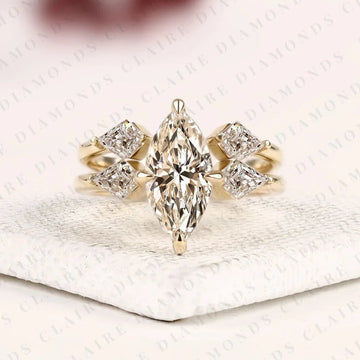 Marquise Cut Lab Grown Diamond Engagement Ring Bridal Set with Kite Cut Three Stone Ring Modern Unique Bridal Jewelry
From $ 1,588.00
Shop Now
-
 Oval Cut Lab Grown Diamond Engagement Ring | Floral Cluster Side Stone Ring | Yellow Gold Nature Inspired Bridal Jewelry | Elegant Statement Wedding Ring
From $ 1,492.00
Shop Now
-
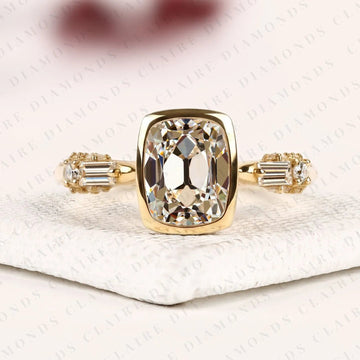 Old Mine Elongated Cushion Cut Lab Grown Diamond Engagement Ring Yellow Gold Bezel Ring with Baguette Side Stone Modern Luxury Bridal Jewelry
From $ 1,554.00
Shop Now
-
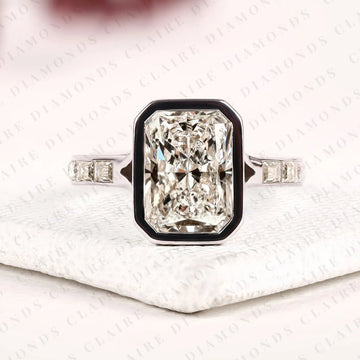 Radiant Cut Lab Grown Diamond Bezel Set Engagement Ring with Baguette Pave Set White Gold Modern Luxury Bridal Jewelry
From $ 1,505.00
Shop Now
-
 Radiant Cut Lab Grown Diamond Three Stone Engagement Ring | Pear Cut Side Stone Gold Ring | Beaded Bezel Statement Bridal Jewelry | Modern Luxury Wedding Ring
From $ 1,468.00
Shop Now
-
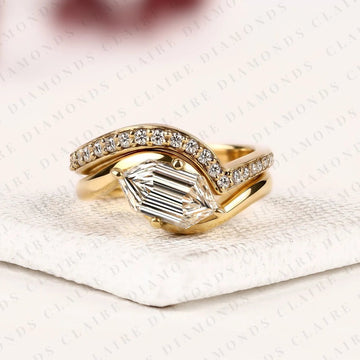 East-West Hexagon Cut Lab Grown Diamond Engagement Ring | Yellow Gold Bypass Pavé Band | Geometric Modern Bridal Ring Set | Unique Statement Jewelry
From $ 873.00
Shop Now
-
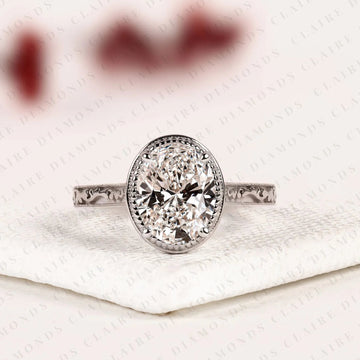 Oval Cut Lab Grown Diamond Engagement Ring Vintage Milgrain Bezel Setting White Gold Engraved Band Elegant Solitaire Bridal Jewelry
From $ 744.00
Shop Now
-
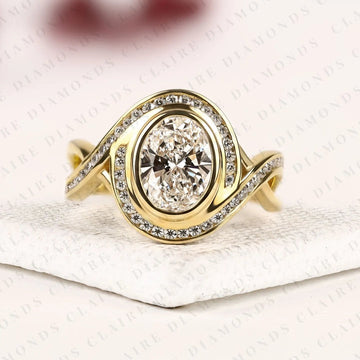 Oval Cut Lab Grown Diamond Engagement Ring | Pavé Bezel Halo Yellow Gold Bypass Ring | Twisted Split Shank Bridal Jewelry | Modern Statement Ring
From $ 939.00
Shop Now
-
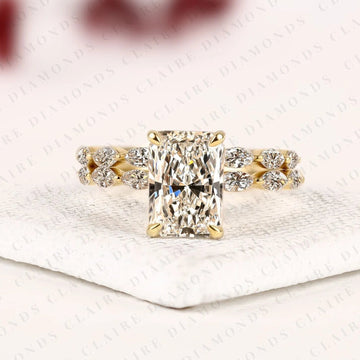 Radiant Cut Lab Grown Diamond Engagement Ring Set Yellow Gold Double Band with Pavé Side Stones Unique Luxury Bridal Ring Set
From $ 1,766.00
Shop Now
-
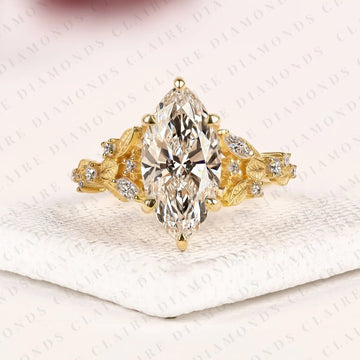 Marquise Cut Lab Grown Diamond Engagement Ring, Floral Leaf Vine Gold Ring, Nature Inspired Bridal Ring, Unique Vintage Wedding Jewelry
From $ 1,407.00
Shop Now
-
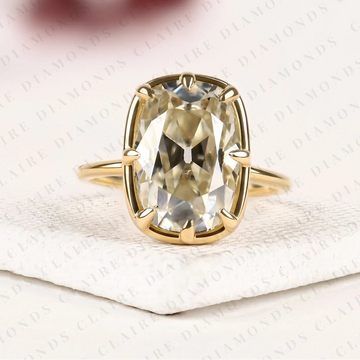 Old Mine Elongated Cushion Cut Lab Grown Diamond Solitaire Engagement Ring Diamond Ring Classic Minimalist Bridal Ring for Women
From $ 2,630.00
Shop Now
-
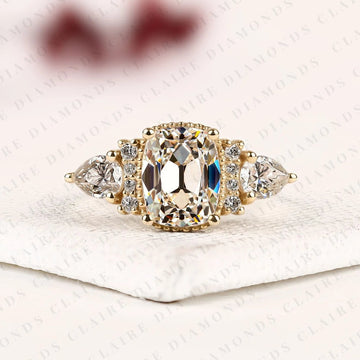 Old Mine Elongated Cushion Cut Lab Grown Diamond Engagement Ring, Milgrain Bezel Setting, Pear Side Stones, Yellow Gold Vintage Bridal Ring
From $ 1,535.00
Shop Now
-
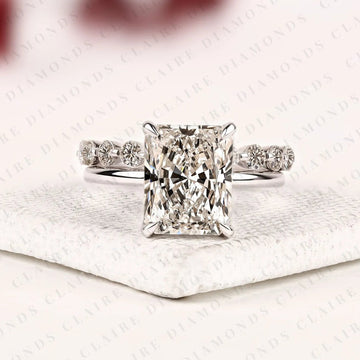 Radiant Cut Lab Grown Diamond Engagement Ring with White Gold Pavé Band | Elongated Radiant Center Stone Modern Classic Bridal Ring Set
From $ 1,674.00
Shop Now
-
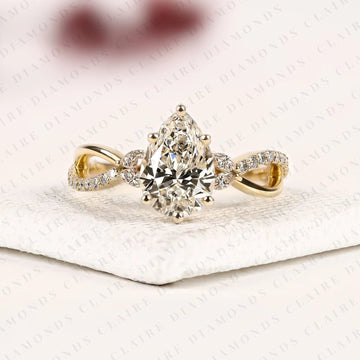 Pear Cut Lab Grown Diamond Engagement Ring | Yellow Gold Twisted Vine Pavé Band | Nature Inspired Bridal Ring | Elegant Unique Wedding Jewelry
From $ 900.00
Shop Now


