
Lab Grown Diamonds
Lab Grown Diamond Cut Grades Explained: Ideal, Excellent and Very Good

Of all the grades on a lab grown diamond report, cut is the one you can actually see from across the room. Color and clarity describe what is inside the stone; cut describes how well the stone handles light. A beautifully cut 1 carat diamond can look brighter, livelier and even larger than a poorly cut stone of the same weight. This guide walks through what the cut grades mean, how labs like IGI assess them, and how to use cut to get the most sparkle for your budget.
What "Cut" Means on a Lab Grown Diamond
Cut is not the same as shape. Shape is the outline of the stone: round, oval, emerald, pear and so on. Cut grade measures the quality of the craftsmanship: the angles, proportions, symmetry and polish of the facets.
Lab grown diamonds are chemically, physically and optically the same as mined diamonds, so they respond to light in exactly the same way. A well cut lab diamond returns light to your eye; a poorly cut one leaks light out of the bottom or sides and looks glassy or dark in the center.
Cut quality drives three visual effects:
- Brightness – the white light reflected back up through the top of the stone.
- Fire – the flashes of rainbow color created as light splits into spectral colors.
- Scintillation – the sparkle and pattern of light and dark that moves as the diamond or the viewer moves.
The Cut Grade Scale Explained
Most lab grown diamonds sold today are graded by IGI or GIA. Both use a five-step cut scale for round brilliants:
Ideal / Excellent
The top grade. IGI typically uses "Ideal" for the very best round brilliants, while GIA uses "Excellent." These stones have proportions engineered for maximum light return, with crisp facet patterns and an even, bright face. If you want a round diamond that sparkles hard in every kind of lighting, this is the grade to target.
Very Good
Very close to the top tier. Most people cannot tell a Very Good round from an Excellent one with the naked eye, especially once it is set. Very Good can be a smart value choice when you want to put more of your budget toward carat weight or a precious metal setting.
Good
Light performance drops noticeably. A Good cut may be slightly deep or shallow, so the stone can look smaller for its weight or show darker areas. We generally suggest stepping up from Good for an engagement ring center stone.
Fair and Poor
These stones lose a significant amount of light. They look dull, glassy or dark, and they rarely appear in fine jewelry. Avoid them for anything you plan to wear daily.
Polish and Symmetry: The Supporting Grades
Beneath the overall cut grade, a lab report lists polish and symmetry, each graded from Excellent to Poor.
- Polish describes the smoothness of the facet surfaces. Fine polish lines are rarely visible, but Excellent or Very Good polish keeps the stone crisp.
- Symmetry describes how precisely the facets align and meet. Good symmetry keeps the light pattern balanced and the outline even.
The shorthand "Triple Excellent" (or "3EX") means cut, polish and symmetry are all graded Excellent. It is a reliable marker of a top-performing round lab diamond.
Proportions That Matter Most
If you like to look at the numbers, these are the proportions that most affect a round brilliant's sparkle:
- Table %: roughly 53–58% for strong balance between brightness and fire.
- Depth %: roughly 59–62.5%. Too deep and the stone looks small face-up; too shallow and light leaks out the bottom.
- Crown angle: around 34–35°.
- Pavilion angle: around 40.6–41°, the single most important angle for light return.
- Girdle: thin to slightly thick, never extremely thin (chip risk) or extremely thick (wasted weight).
- Culet: none or pointed.
Treat these as a helpful range, not a strict rule. The overall cut grade already weighs them together, and your eye is the final judge.
What About Fancy Shapes?
Ovals, pears, emeralds, radiants, cushions and other fancy shapes usually do not receive an overall cut grade from GIA, and labs vary in how they report them. For these shapes, focus on:
- Polish and symmetry of Excellent or Very Good.
- Length-to-width ratio that matches the look you love (for example, about 1.35–1.50 for a classic oval).
- Bow-tie effect in ovals, pears and marquises: a little is normal, but a strong dark band across the center is a sign of weaker cutting.
- Even light across the face in photos and videos, with no large dead spots.

How Cut Interacts With Color, Clarity and Carat
Because cut controls light, it can soften the appearance of the other grades. A strongly cut stone hides a hint of warmth in near-colorless grades and distracts the eye from small inclusions. That is why many jewelers recommend prioritizing cut first, then balancing color, clarity and carat to your budget.
One of the advantages of lab grown diamonds is that top cut grades are widely available and far more affordable than in mined stones, so you rarely need to compromise. You can explore well-cut options in our best-selling lab grown diamond jewelry.
Does Cut Matter as Much in Small Stones?
For a center stone, cut is essential. For tiny accent stones in a pavé band or halo, individual cut grades are rarely reported, but overall quality still matters: well-matched, well-cut melee gives a band an even, continuous sparkle. When you browse our lab grown wedding bands, look for close-up videos that show consistent brightness from stone to stone.
Cut and Setting: Making the Most of Your Diamond
Your setting can help or hinder a stone's light performance:
- Prong settings expose the most of the diamond to light, ideal for showing off an Excellent cut.
- Bezel settings offer great protection and a sleek look, with a little less light entering from the sides. A strong cut keeps a bezel-set stone lively.
- Halo settings add extra sparkle and visual size around the center stone.
A classic example is a round cut lab grown solitaire with a pavé band, where a well cut center stone and a sparkling band work together. If you prefer a modern, low-profile look, a round bezel set lab grown solitaire is a beautiful option.
A Simple Buying Checklist
- For round diamonds, choose Ideal or Excellent cut, or Very Good if you want to stretch your budget.
- Look for Excellent or Very Good polish and symmetry on every shape.
- Check that depth and table fall in sensible ranges.
- For fancy shapes, review the ratio and look for a mild bow-tie at most.
- Always read the grading report and compare it to real photos or video of the stone.
Frequently Asked Questions
Is Ideal better than Excellent?
They describe the same top tier on different labs' scales. IGI often uses Ideal for its best rounds, while GIA's highest grade is Excellent. Both indicate exceptional light performance.
Can I see the difference between Excellent and Very Good?
Usually not with the naked eye once the diamond is set. Side by side under a loupe or with light-performance tools, an expert may notice it. Very Good is a sensible value choice.
Are lab grown diamonds cut differently from mined diamonds?
No. They are cut using the same equipment, techniques and proportions, and graded on the same scales.
Does a better cut make a diamond look bigger?
Often, yes. A well-proportioned stone spreads its weight across the face instead of hiding it in excess depth, so it can look larger than a deep stone of the same carat weight.
Should I prioritize cut over color or clarity?
For most buyers, yes. Cut has the biggest effect on sparkle, and a strong cut helps mask small differences in color and clarity.
The Bottom Line
Cut is the grade that turns a diamond into a source of light. Choose the highest cut grade you comfortably can, confirm strong polish and symmetry, and let your eye make the final call. With lab grown diamonds, top-tier sparkle is more accessible than ever, so you can enjoy a stone that looks brilliant every single day.
Shop the Look
-
 Marquise Lab Grown Diamond Bypass Ring Bezel Ring Modern Twisted Pave Bridal Ring Set
From $ 1,434.00
Shop Now
-
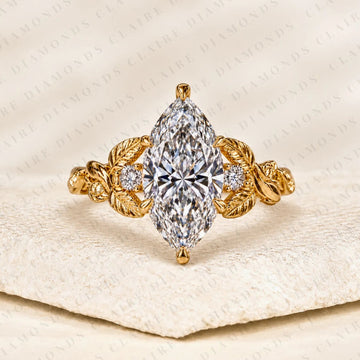 Marquise Cut Lab Grown Diamond Engagement Ring Nature Inspired Gold Vine Ring with Leaf Vintage Luxury Wedding Ring for Women
From $ 1,407.00
Shop Now
-
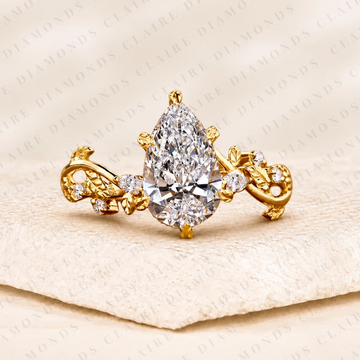 Pear Cut Lab Grown Diamond Engagement Ring Nature Inspired Gold Vine Ring Floral Vintage Wedding Ring Luxury Bridal Jewelry
From $ 1,370.00
Shop Now
-
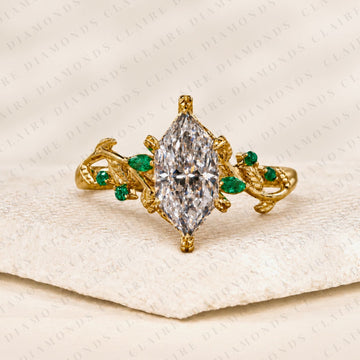 Dutch Marquise Cut Lab Grown Diamond Engagement Nature Inspired Ring Green Marquise Side Stones Vintage Bridal Jewelry
From $ 1,422.00
Shop Now
-
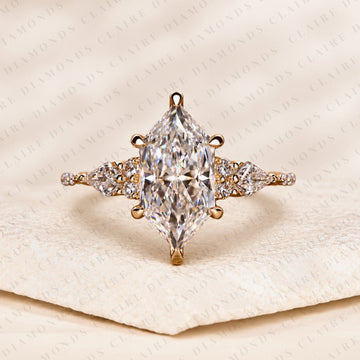 Dutch Marquise Cut Lab Grown Diamond Engagement Ring with Kite Cut Side Stones Luxury Wedding Ring for Women
From $ 1,473.00
Shop Now
-
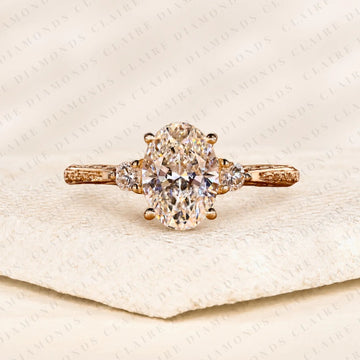 Oval Cut Lab Grown Diamond Ring Vintage Inspired Three Stone Engagement Ring with Side Diamonds Timeless Jewelry
From $ 1,458.00
Shop Now
-
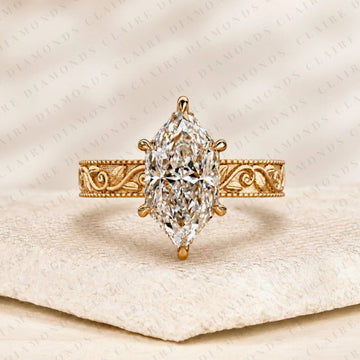 Dutch Marquise Cut Lab Grown Diamond Engagement Solitaire Ring Vintage Engraved Gold Band Filigree Wedding Ring Luxury Bridal Jewelry
From $ 1,317.00
Shop Now
-
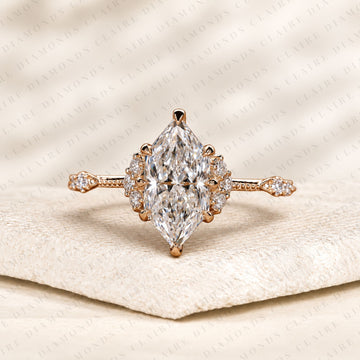 Dutch Marquise Cut Lab Grown Diamond Engagement Ring Rose Gold with Pavé Accents Vintage Inspired Luxury Wedding Ring for Women
From $ 1,373.00
Shop Now
-
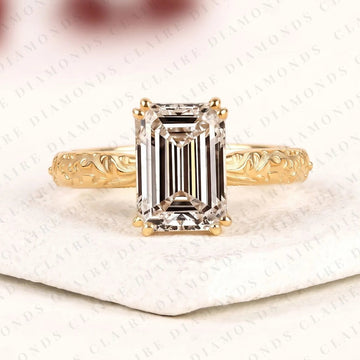 Emerald Cut Lab Grown Diamond Engagement Ring | Engraved Floral Gold Band with Pavé Accents | Vintage-Inspired Bridal Ring
From $ 1,397.00
Shop Now
-
 Oval Cut Lab Grown Diamond Band Floral Pave Gold Engagement Ring Nature Inspired Wedding Elegant Luxury Jewelry for Women
From $ 1,402.00
Shop Now
-
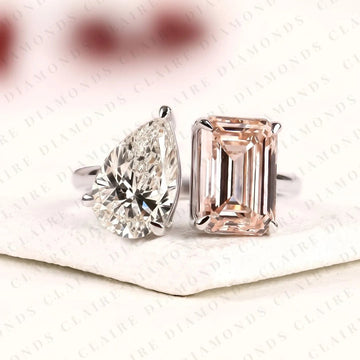 4.00 TCW Pear and Emerald Cut Toi et Moi Lab Grown Diamond Ring | Two-Stone Modern Gold Engagement Ring | Unique Luxury Bridal Jewelry
From $ 2,441.00
Shop Now
-
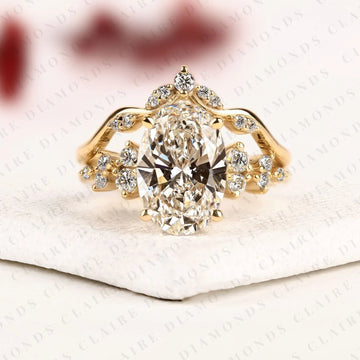 Oval Cut Lab Grown Diamond Engagement Ring Set Nature Inspired Wedding Ring with Floral Pave Accents Luxury Bridal Set Jewelry
From $ 1,422.00
Shop Now
-
 1.15 TCW Princess & Round & Pear & Emerald Cut Lab Grown Diamond Band Multi Stone Gold Wedding Elegant Anniversary Band for Women
From $ 832.00
Shop Now
-
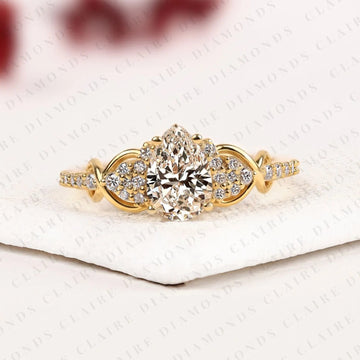 Pear Cut Lab Grown Diamond Engagement Ring Vintage Gold Halo Ring with Pave Side Stones Elegant Wedding Ring for Women
From $ 836.00
Shop Now
-
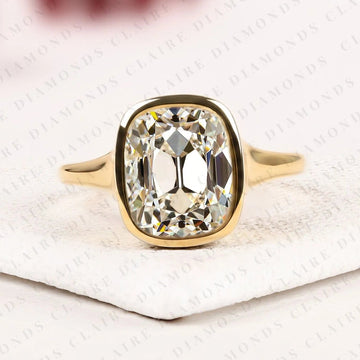 Old Mine Elongated Cushion Cut Lab Grown Diamond Engagement Ring Bezel Set Gold Solitaire Minimalist Vintage Wedding Ring for Women
From $ 1,343.00
Shop Now


