
Lab Grown Diamonds
Lab Grown Diamond Clarity Grades Explained: VVS, VS and SI

Clarity is one of the most talked-about grades on any diamond report, and also one of the most misunderstood. Shoppers often assume that a higher clarity grade always means a more beautiful stone, then spend a large share of their budget on a difference they will never see. With lab grown diamonds, where you can usually afford more carat weight and a better cut than with mined stones, understanding clarity helps you put your money where it actually shows.
This guide explains what each clarity grade means, how lab grown diamonds differ from mined ones, how clarity interacts with shape and setting, and how to choose a grade that looks flawless to the eye without overpaying.
What Diamond Clarity Actually Measures
Clarity describes the tiny internal characteristics (inclusions) and surface marks (blemishes) in a diamond. Graders examine the stone under 10x magnification and judge the size, number, position, colour and visibility of those features. The result is a grade on the same scale used for both lab grown and natural diamonds.
It is worth remembering that a lab grown diamond is chemically, physically and optically a real diamond. It forms crystal by crystal under controlled conditions, so it can still contain small inclusions. Clarity grading is therefore just as relevant for lab stones as for mined ones.


The Clarity Scale, Grade by Grade
FL and IF (Flawless and Internally Flawless)
No inclusions are visible under 10x magnification; FL also has no surface blemishes. These grades are rare and carry a clear premium. They appeal to collectors and perfectionists, but to the naked eye they look no different from a well-chosen VS stone.
VVS1 and VVS2 (Very Very Slightly Included)
Inclusions are so minute that even a trained grader has difficulty finding them at 10x. VVS is a lovely choice if you want peace of mind with no compromise, especially in large step cuts.
VS1 and VS2 (Very Slightly Included)
Inclusions are visible under magnification but are typically small and not seen without it. For most engagement rings, VS1 and VS2 are the sweet spot: the stone faces up clean while the price stays sensible.
SI1 and SI2 (Slightly Included)
Inclusions are noticeable at 10x, and some SI2 stones show them to the naked eye. Many SI1 diamonds are still eye-clean, particularly in brilliant shapes such as round or oval, but each stone needs to be checked individually.
I1, I2 and I3 (Included)
Inclusions are obvious and may affect brilliance or durability. We generally do not recommend this range for an engagement ring that will be worn every day.
What "Eye-Clean" Means and Why It Matters
"Eye-clean" is not an official grade, but it is the most useful idea in practical buying. It means no inclusions can be seen with the naked eye from a normal viewing distance of about 25 to 30 cm. Once a diamond is eye-clean, a higher clarity grade adds rarity on paper rather than beauty on the hand.
For most people, the smartest approach is simple: choose the lowest clarity grade that is reliably eye-clean for your shape and size, then spend the savings on a better cut, a larger carat or a finer metal.
How Shape Changes the Clarity You Need
Different cuts hide inclusions in very different ways.
- Brilliant cuts (round, oval, pear, cushion, radiant, marquise): Their many facets create lots of sparkle that helps disguise small inclusions. VS2 and many SI1 stones look clean.
- Step cuts (emerald, Asscher, baguette): Long, open facets act like a window into the stone. Inclusions are easier to see, so VS1 or higher is a safer choice.
- Larger carat weights: As size increases, facets get bigger and inclusions become easier to spot. Above about 2 carats, consider stepping up one grade, particularly for step cuts.
If you love the clean lines of a step cut, browse our lab grown solitaire engagement rings and pair an emerald or Asscher shape with a VS1 or VVS stone.

Where the Inclusion Sits Matters Too
Two diamonds with the same grade can look quite different. An inclusion near the edge of the stone can often be hidden beneath a prong, while one directly under the table (the large top facet) is more visible. Dark crystals are easier to see than white or transparent pinpoints. A careful jeweller will look at the actual stone and its report plot, not just the grade.
Settings can help as well. A bezel setting wraps the girdle in metal, covering small edge inclusions while protecting the stone, and a halo setting adds surrounding sparkle that draws the eye outward.
Clarity in Lab Grown vs Natural Diamonds
Lab grown diamonds are graded on the same scale, but the types of inclusions can differ. Stones grown by the CVD method may show fine graphite-like pinpoints, while HPHT stones can contain tiny metallic flux inclusions. Neither is a flaw in the sense of being "fake"; they are simply natural results of the growing process.
Because lab grown diamonds cost far less per carat, VS and even VVS clarity are much more accessible than with mined stones. Many buyers find they can choose a VS1 lab diamond at a size that would only be possible in SI2 with a mined stone.
Reading Clarity on a Grading Report
A report from a recognised lab such as IGI lists the clarity grade and includes a plot, a diagram that marks the type and position of inclusions. Look for:
- The clarity grade and any comments, for example "clarity grade based on clouds not shown."
- The key to symbols, which tells you whether inclusions are crystals, feathers, pinpoints or clouds.
- Where inclusions sit in relation to the table and edges.
Feathers that reach the surface deserve extra attention, as they can be a weak point if the stone is knocked. A small, internal pinpoint is far less of a concern.


Our Recommendations by Budget and Style
- Best overall value: VS2 for round, oval and other brilliant cuts under 2 carats.
- Step cuts or larger stones: VS1 to VVS2 for emerald, Asscher and stones above 2 carats.
- Budget-friendly with care: An eye-clean SI1 in a brilliant shape, verified in person or with clear photos.
- No-compromise peace of mind: VVS1 or VVS2, which remain affordable in lab grown.
Explore our full range of lab grown diamond engagement rings to compare shapes and find the balance of clarity, cut and size that feels right for you.
Frequently Asked Questions
Is VS clarity good enough for an engagement ring?
Yes. VS1 and VS2 diamonds are almost always eye-clean and are the most popular choice for engagement rings because they offer a clean look at a sensible price.
Can you see the difference between VVS and VS?
Not with the naked eye. The difference is only visible under magnification, so the choice comes down to budget and personal preference.
Do lab grown diamonds have better clarity than natural diamonds?
Not automatically. Lab diamonds are graded on the same scale and can have inclusions. They are, however, more affordable, which makes higher clarity grades easier to reach.
Does clarity affect sparkle?
Only at the lower end of the scale. Cut quality has a much bigger effect on sparkle than clarity. Heavy inclusions in I grades can dull brilliance, but VS and SI1 stones sparkle beautifully when well cut.
Should I pick a higher clarity or a bigger diamond?
For most people, a bigger eye-clean diamond with an excellent cut is a better use of budget than a smaller stone with a higher clarity grade.
The Bottom Line
Clarity matters, but only up to the point where a diamond looks clean to your eye. Choose eye-clean for your shape and size, prioritise cut, and let the beauty of a lab grown diamond do the rest. If you would like help comparing stones, our team at Claire Diamonds is always happy to guide you.
Shop the Look
-
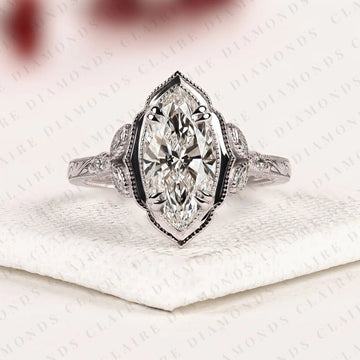 Marquise Cut Lab Grown Diamond Engagement Ring | Vintage Inspired Milgrain Bezel & Engraved White Gold Ring | Floral Diamond Accent Bridal Ring
From $ 1,407.00
Shop Now
-
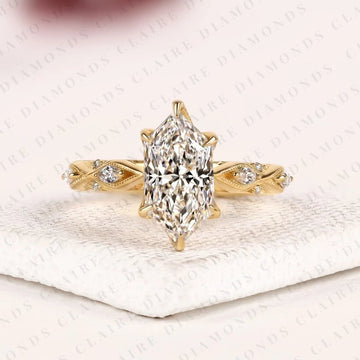 Dutch Marquise Cut Lab Grown Diamond Engagement Ring Leaf Vine Band Nature Inspired Unique Bridal Ring Luxury Wedding Jewelry
From $ 933.00
Shop Now
-
 Marquise Cut Lab Grown Diamond Engagement Ring | Floral Inspired Diamond Side Stone Ring | Yellow Gold Bridal Ring | Elegant Nature Inspired Wedding Jewelry
From $ 1,633.00
Shop Now
-
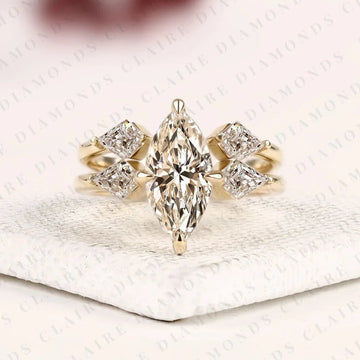 Marquise Cut Lab Grown Diamond Engagement Ring Bridal Set with Kite Cut Three Stone Ring Modern Unique Bridal Jewelry
From $ 1,588.00
Shop Now
-
 Oval Cut Lab Grown Diamond Engagement Ring | Floral Cluster Side Stone Ring | Yellow Gold Nature Inspired Bridal Jewelry | Elegant Statement Wedding Ring
From $ 1,492.00
Shop Now
-
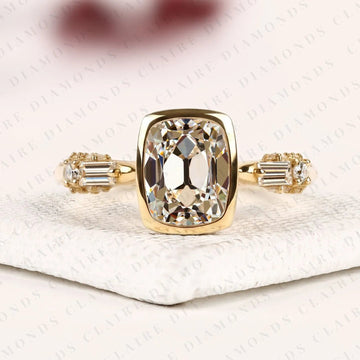 Old Mine Elongated Cushion Cut Lab Grown Diamond Engagement Ring Yellow Gold Bezel Ring with Baguette Side Stone Modern Luxury Bridal Jewelry
From $ 1,554.00
Shop Now
-
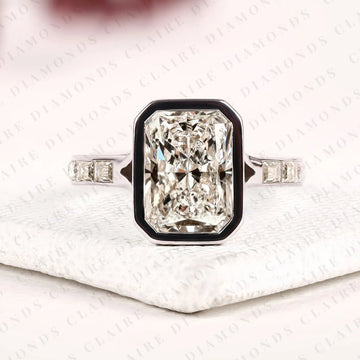 Radiant Cut Lab Grown Diamond Bezel Set Engagement Ring with Baguette Pave Set White Gold Modern Luxury Bridal Jewelry
From $ 1,505.00
Shop Now
-
 Radiant Cut Lab Grown Diamond Three Stone Engagement Ring | Pear Cut Side Stone Gold Ring | Beaded Bezel Statement Bridal Jewelry | Modern Luxury Wedding Ring
From $ 1,468.00
Shop Now
-
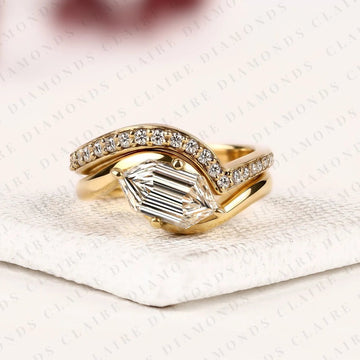 East-West Hexagon Cut Lab Grown Diamond Engagement Ring | Yellow Gold Bypass Pavé Band | Geometric Modern Bridal Ring Set | Unique Statement Jewelry
From $ 873.00
Shop Now
-
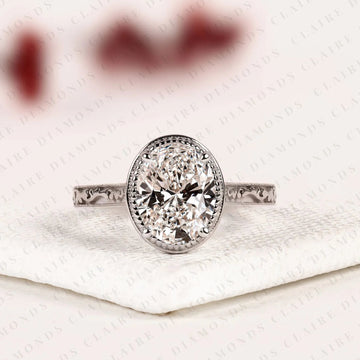 Oval Cut Lab Grown Diamond Engagement Ring Vintage Milgrain Bezel Setting White Gold Engraved Band Elegant Solitaire Bridal Jewelry
From $ 744.00
Shop Now
-
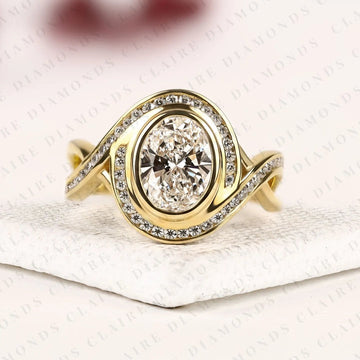 Oval Cut Lab Grown Diamond Engagement Ring | Pavé Bezel Halo Yellow Gold Bypass Ring | Twisted Split Shank Bridal Jewelry | Modern Statement Ring
From $ 939.00
Shop Now
-
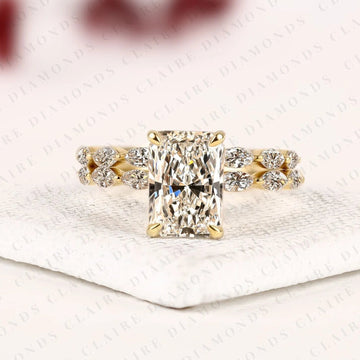 Radiant Cut Lab Grown Diamond Engagement Ring Set Yellow Gold Double Band with Pavé Side Stones Unique Luxury Bridal Ring Set
From $ 1,766.00
Shop Now
-
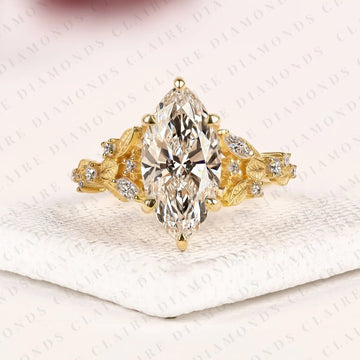 Marquise Cut Lab Grown Diamond Engagement Ring, Floral Leaf Vine Gold Ring, Nature Inspired Bridal Ring, Unique Vintage Wedding Jewelry
From $ 1,407.00
Shop Now
-
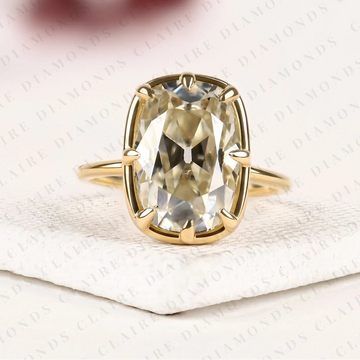 Old Mine Elongated Cushion Cut Lab Grown Diamond Solitaire Engagement Ring Diamond Ring Classic Minimalist Bridal Ring for Women
From $ 2,630.00
Shop Now
-
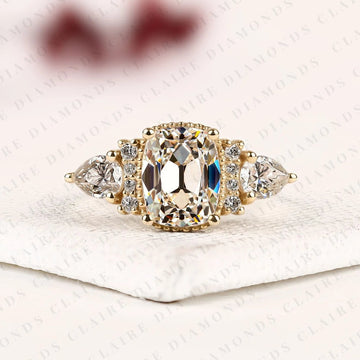 Old Mine Elongated Cushion Cut Lab Grown Diamond Engagement Ring, Milgrain Bezel Setting, Pear Side Stones, Yellow Gold Vintage Bridal Ring
From $ 1,535.00
Shop Now


