
Lab Grown Diamonds
Radiant Cut Lab Grown Diamond Engagement Rings: A Buyer's Guide

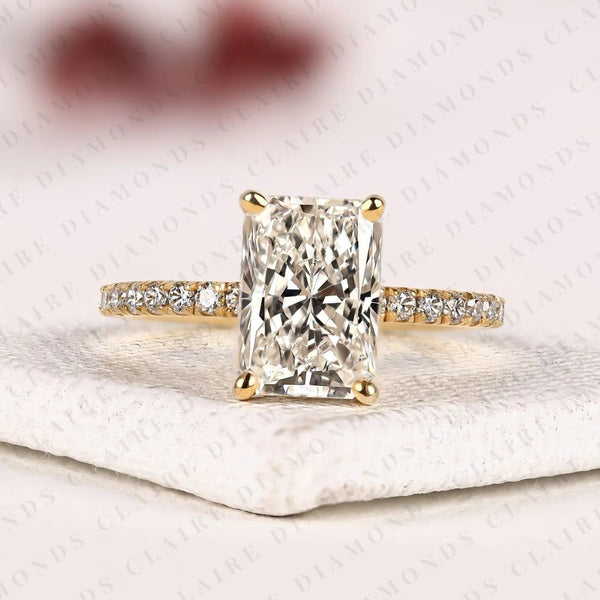
A radiant cut lab grown diamond engagement ring gives you the clean, rectangular or square outline of an emerald cut with the fiery sparkle of a brilliant cut. If you want a ring that looks bold and modern, hides small inclusions well and shines in every light, the radiant cut is one of the smartest shapes you can choose. Here is how to pick the right ratio, setting and stone for your budget.
What is a radiant cut diamond?
The radiant cut was developed in the late 1970s as the first rectangular or square shape to use full brilliant-style faceting on both the crown and the pavilion. It has trimmed (beveled) corners, which give it a softer outline than a princess cut and help protect the corners from chipping.
Because lab grown diamonds have the same chemical, physical and optical properties as mined diamonds, a lab grown radiant looks and performs exactly like a mined one. The difference is price: lab grown lets you choose a larger or higher-quality center stone for the same budget.
- Outline: square or rectangular with cropped corners
- Sparkle: lively, "crushed ice" brilliance rather than the hall-of-mirrors flashes of a step cut
- Durability: beveled corners are less vulnerable than the sharp points of a princess cut


Radiant vs emerald vs princess cut
These three shapes are often compared because they share a similar footprint on the hand. The difference is in how they reflect light.
- Radiant: brilliant facets and cut corners. Maximum sparkle and very forgiving of small inclusions.
- Emerald: long step-cut facets and cut corners. Elegant and glassy, but shows clarity more openly. See our emerald cut engagement ring guide if you are torn between the two.
- Princess: brilliant facets with sharp, square corners. Crisp and geometric, but the corners need protective prongs.
If you love the shape of an emerald cut but want more sparkle, the radiant is usually the answer.
Choosing the right length-to-width ratio
A radiant's ratio (length divided by width) changes its whole personality. There is no single "correct" ratio, so choose based on the look you want:
- Square radiant (about 1.00–1.05): compact and modern, similar in feel to a cushion cut but crisper.
- Classic rectangle (about 1.20–1.30): the most popular look, balanced and elegant on most hands.
- Elongated radiant (about 1.35 and up): slim and dramatic, and it helps fingers look longer.
When you speak with us, tell us the look you are going for and we can help you choose a center stone that matches it.
Color and clarity tips for lab grown radiants
Radiant cuts are great at masking small inclusions because their many facets break up light. That means you often do not need the very top clarity grade for an eye-clean stone. A practical approach:
- Clarity: VS2 or higher is a comfortable target for most radiant center stones; ask to see the stone if you are considering lower grades.
- Color: radiants can hold body color a little more in the corners than a round, so many buyers choose a near-colorless or colorless grade, especially in white gold or platinum-toned settings.
- Certification: ask us about IGI certification for your center stone so you know exactly what you are buying.

Best settings for a radiant cut engagement ring
The radiant's strong geometric outline works with almost any setting style. Popular choices include:
- Solitaire: lets the stone speak for itself. Browse our lab grown solitaire engagement rings.
- Bezel: a metal rim wraps the stone for a sleek, secure, low-maintenance ring. Compare the trade-offs in bezel vs prong settings, or shop lab grown bezel engagement rings.
- Hidden halo: a row of small diamonds under the center stone adds sparkle from the side without changing the clean top view.
- Split shank or twisted band: adds movement and makes the band feel more substantial next to a larger center stone.
- Art Deco or vintage details: the radiant's geometry pairs naturally with 1920s-inspired designs.
Choosing your metal
White gold gives a bright, icy look that suits the radiant's sparkle. Yellow gold creates a warm, vintage contrast, and rose gold adds a romantic, soft glow. If your partner already wears mostly one metal tone, matching it is the safest choice for a surprise proposal.


How to buy a radiant cut ring with confidence
- Decide on square, classic or elongated proportions.
- Set your budget and decide whether carat size or color/clarity matters more.
- Choose a setting style that fits your partner's lifestyle (bezel for active hands, prongs for maximum light).
- Pick the metal and confirm ring size.
- Ask about IGI certification for the center stone.
Every Claire Diamonds ring is handcrafted to order and ships with free insured US shipping, and you are covered by our 30-day returns.
Shop radiant cut lab grown diamond engagement rings


See every style in our radiant lab grown diamond collection or explore all lab grown diamond engagement rings.
Frequently asked questions
Is a radiant cut diamond a good choice for an engagement ring?
Yes. It combines strong sparkle, a distinctive rectangular or square shape and beveled corners that are more durable than a princess cut, which makes it practical for everyday wear.
Does a radiant cut look bigger than a round diamond?
An elongated radiant can look larger on the finger than a round of the same carat weight because its length covers more of the finger. A square radiant tends to look similar in size to a round.
Are lab grown radiant diamonds real diamonds?
Yes. Lab grown diamonds are real diamonds with the same chemical makeup, hardness and sparkle as mined diamonds; they are simply grown in a controlled environment instead of mined.
What is the best ratio for a radiant cut engagement ring?
It depends on your taste. Around 1.00–1.05 looks square, 1.20–1.30 is the classic rectangle, and 1.35 or higher gives a slim, elongated look.
Ready to find your ring? Shop radiant cut lab grown diamond engagement rings handcrafted to order with free insured US shipping.
Shop the Look
-
 Marquise Cut Lab Grown Diamond Engagement Ring | Floral Inspired Diamond Side Stone Ring | Yellow Gold Bridal Ring | Elegant Nature Inspired Wedding Jewelry
From $ 1,633.00
Shop Now
-
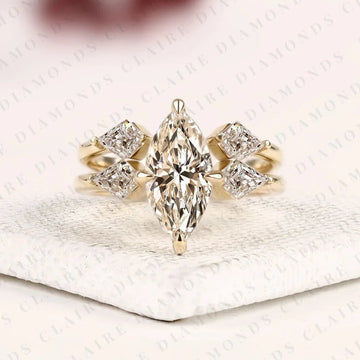 Marquise Cut Lab Grown Diamond Engagement Ring Bridal Set with Kite Cut Three Stone Ring Modern Unique Bridal Jewelry
From $ 1,588.00
Shop Now
-
 Oval Cut Lab Grown Diamond Engagement Ring | Floral Cluster Side Stone Ring | Yellow Gold Nature Inspired Bridal Jewelry | Elegant Statement Wedding Ring
From $ 1,492.00
Shop Now
-
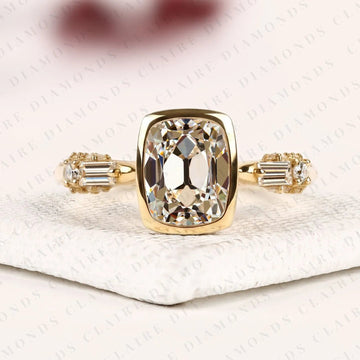 Old Mine Elongated Cushion Cut Lab Grown Diamond Engagement Ring Yellow Gold Bezel Ring with Baguette Side Stone Modern Luxury Bridal Jewelry
From $ 1,554.00
Shop Now
-
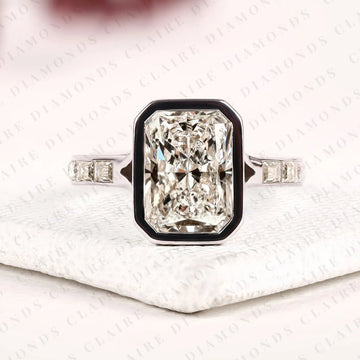 Radiant Cut Lab Grown Diamond Bezel Set Engagement Ring with Baguette Pave Set White Gold Modern Luxury Bridal Jewelry
From $ 1,505.00
Shop Now
-
 Radiant Cut Lab Grown Diamond Three Stone Engagement Ring | Pear Cut Side Stone Gold Ring | Beaded Bezel Statement Bridal Jewelry | Modern Luxury Wedding Ring
From $ 1,468.00
Shop Now
-
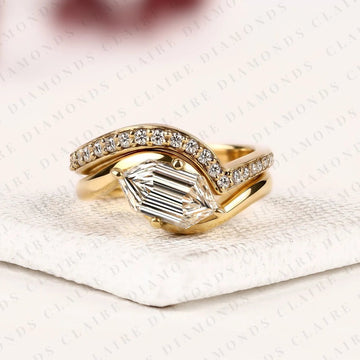 East-West Hexagon Cut Lab Grown Diamond Engagement Ring | Yellow Gold Bypass Pavé Band | Geometric Modern Bridal Ring Set | Unique Statement Jewelry
From $ 873.00
Shop Now
-
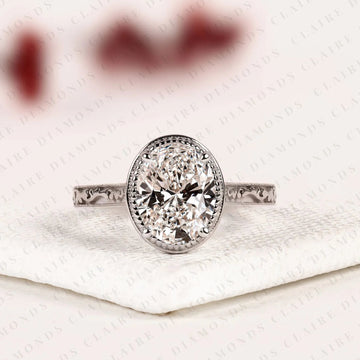 Oval Cut Lab Grown Diamond Engagement Ring Vintage Milgrain Bezel Setting White Gold Engraved Band Elegant Solitaire Bridal Jewelry
From $ 744.00
Shop Now
-
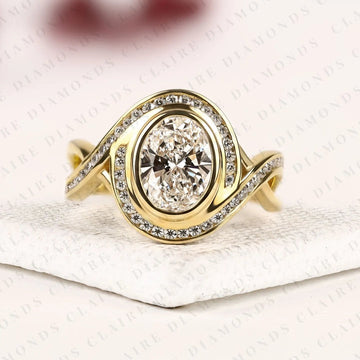 Oval Cut Lab Grown Diamond Engagement Ring | Pavé Bezel Halo Yellow Gold Bypass Ring | Twisted Split Shank Bridal Jewelry | Modern Statement Ring
From $ 939.00
Shop Now
-
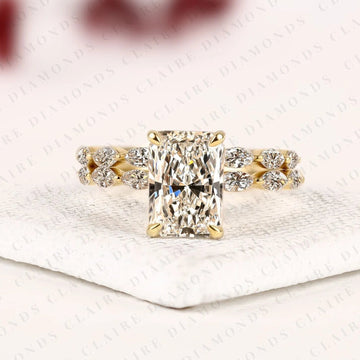 Radiant Cut Lab Grown Diamond Engagement Ring Set Yellow Gold Double Band with Pavé Side Stones Unique Luxury Bridal Ring Set
From $ 1,766.00
Shop Now
-
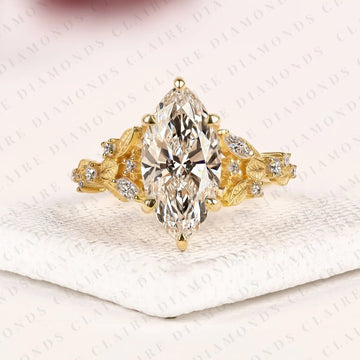 Marquise Cut Lab Grown Diamond Engagement Ring, Floral Leaf Vine Gold Ring, Nature Inspired Bridal Ring, Unique Vintage Wedding Jewelry
From $ 1,407.00
Shop Now
-
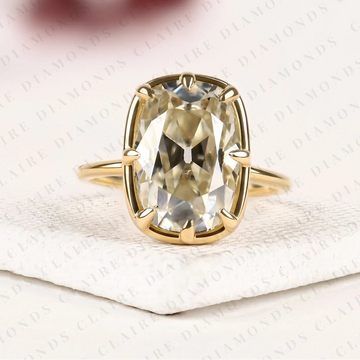 Old Mine Elongated Cushion Cut Lab Grown Diamond Solitaire Engagement Ring Diamond Ring Classic Minimalist Bridal Ring for Women
From $ 2,630.00
Shop Now
-
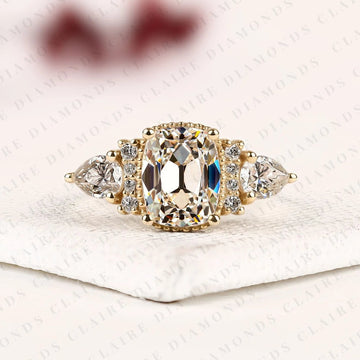 Old Mine Elongated Cushion Cut Lab Grown Diamond Engagement Ring, Milgrain Bezel Setting, Pear Side Stones, Yellow Gold Vintage Bridal Ring
From $ 1,535.00
Shop Now
-
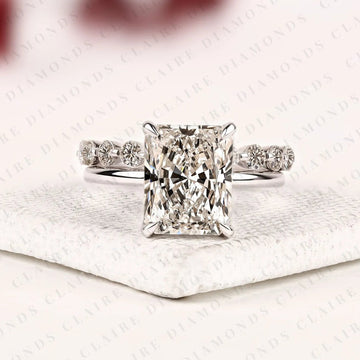 Radiant Cut Lab Grown Diamond Engagement Ring with White Gold Pavé Band | Elongated Radiant Center Stone Modern Classic Bridal Ring Set
From $ 1,674.00
Shop Now
-
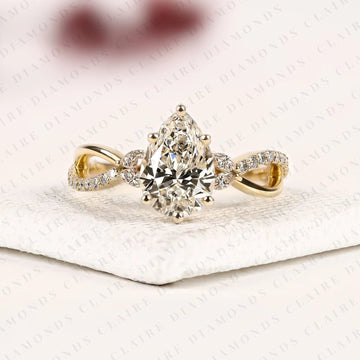 Pear Cut Lab Grown Diamond Engagement Ring | Yellow Gold Twisted Vine Pavé Band | Nature Inspired Bridal Ring | Elegant Unique Wedding Jewelry
From $ 900.00
Shop Now


